
Your Read is on the Way
Every Story Matters
Every Story Matters
The Hydropower Boom in Africa: A Green Energy Revolution Africa is tapping into its immense hydropower potential, ushering in an era of renewable energy. With monumental projects like Ethiopia’s Grand Ethiopian Renaissance Dam (GERD) and the Inga Dams in the Democratic Republic of Congo, the continent is gearing up to address its energy demands sustainably while driving economic growth.
Northern Kenya is a region rich in resources, cultural diversity, and strategic trade potential, yet it remains underutilized in the national development agenda.
Can AI Help cure HIV AIDS in 2025

Why Ruiru is Almost Dominating Thika in 2025
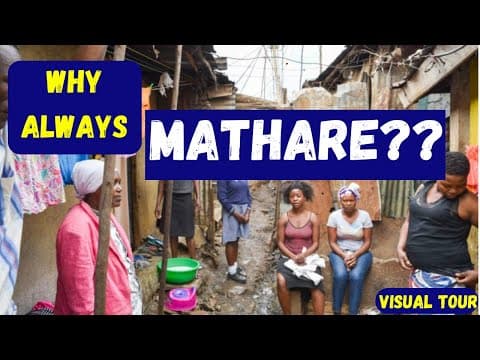
Mathare Exposed! Discover Mathare-Nairobi through an immersive ground and aerial Tour- HD

Bullet Bras Evolution || Where did Bullet Bras go to?
The Catholic priesthood is a sacred vocation—not just a profession—requiring a lifelong commitment to spiritual leadership, sacramental service, and pastoral care. Becoming a priest involves a multi-year formation process that is both personal and institutional, grounded in the teachings and traditions of the Church.
The journey begins with a period of discernment, where an individual prayerfully considers whether God is calling him to the priesthood. This stage includes:
-Deep reflection and prayer
-Conversations with a spiritual director or parish priest
-Attending discernment retreats or vocation events
Discernment ensures the decision is not made lightly or emotionally but rooted in genuine spiritual conviction.
Once a decision to pursue the priesthood is made, the next step is application to a seminary—usually through a diocesan vocation office or a religious order. This application includes:
-Personal interviews
-Medical and psychological evaluations
-Academic background review
-Spiritual assessment
Only after careful vetting and approval by a bishop or superior is the candidate admitted to seminary formation.
Seminary training typically spans six to eight years, covering four pillars of priestly formation:
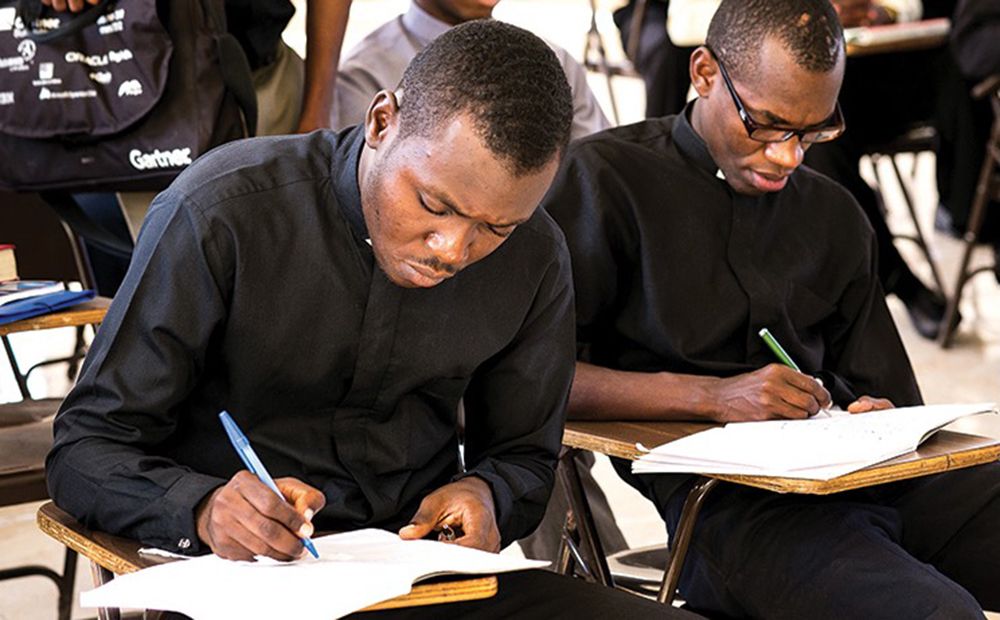
-Human Formation: Developing maturity, self-awareness, and interpersonal skills
-Spiritual Formation: Deepening one’s prayer life, sacramental life, and commitment to Christ
-Intellectual Formation: Academic studies in philosophy and theology, often leading to degrees
-Pastoral Formation: Hands-on ministry experience in parishes, schools, or hospitals
This period forms the heart of a future priest’s growth in faith, knowledge, and service.
Before priestly ordination, candidates go through transitional rites:
-Candidacy: A formal declaration of readiness and intention to become a priest
-Institution as Lector and Acolyte: Roles of serving at the altar and proclaiming Scripture
-Ordination as a Transitional Deacon: A year of ministry as a deacon, focusing on service, preaching, and liturgical duties
These steps prepare the candidate for the fullness of priestly life and responsibilities.
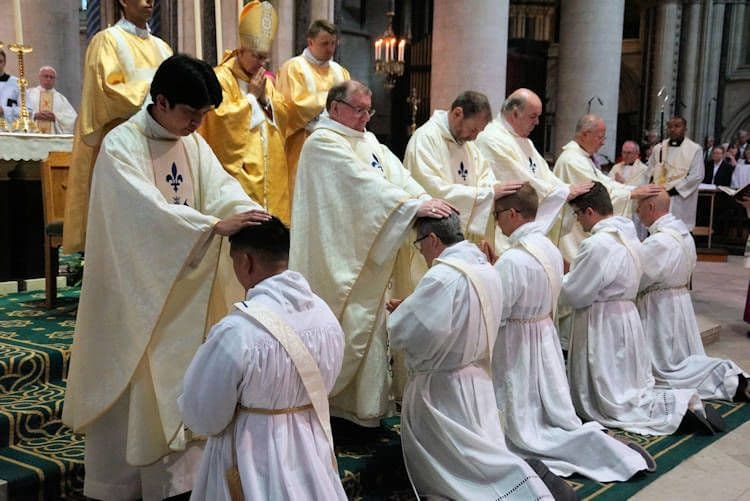
The final step is the Sacrament of Holy Orders, where the bishop ordains the candidate to the priesthood. The rite includes:
-Laying on of hands by the bishop
-Prayer of consecration
-Anointing of hands
-Presentation of the chalice and paten
After ordination, the new priest can celebrate Mass, hear confessions, anoint the sick, and perform other sacraments.
Once ordained, a priest is assigned by the bishop to serve in a parish or other ministry setting. Priests are expected to:
-Lead worship and administer sacraments
-Offer pastoral care and spiritual guidance
-Preach and teach Church doctrine
-Live a celibate life devoted to Christ and His Church
Ongoing spiritual and theological formation continues throughout their ministry.
The path to becoming a Catholic priest is rigorous and sacred. It demands spiritual maturity, discipline, humility, and a deep love for God and His people. Those who respond to this call undertake a profound mission: to bring Christ to the world through word, sacrament, and service.




0 comments