
Your Read is on the Way
Every Story Matters
Every Story Matters
The Hydropower Boom in Africa: A Green Energy Revolution Africa is tapping into its immense hydropower potential, ushering in an era of renewable energy. With monumental projects like Ethiopia’s Grand Ethiopian Renaissance Dam (GERD) and the Inga Dams in the Democratic Republic of Congo, the continent is gearing up to address its energy demands sustainably while driving economic growth.
Northern Kenya is a region rich in resources, cultural diversity, and strategic trade potential, yet it remains underutilized in the national development agenda.
Can AI Help cure HIV AIDS in 2025

Why Ruiru is Almost Dominating Thika in 2025
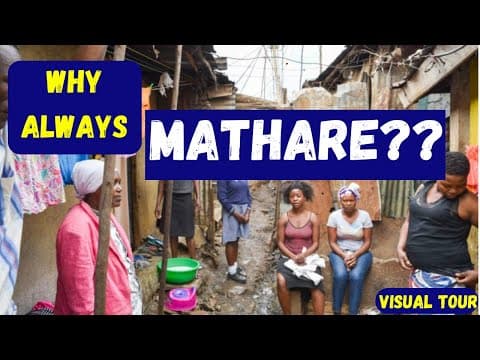
Mathare Exposed! Discover Mathare-Nairobi through an immersive ground and aerial Tour- HD

Bullet Bras Evolution || Where did Bullet Bras go to?
Historical Context: Early African Popes Were the Exception
Three popes of African descent led the Church during the early centuries of Christianity—Pope Victor I (189–199), Pope Miltiades (311–314), and Pope Gelasius I (492–496). All were associated with North Africa, which was a central part of the Roman Empire and a hub for Christian thought at the time.
However, these leaders were not considered "Black" in the modern racial sense. North Africa during the Roman Empire was multiethnic, and race as a social construct did not yet exist in the way it does today. Their elections reflected the geographical reach of the early Church, not racial inclusivity.
Doctrinal Position: Race Is Not a Barrier in Theology
Catholic doctrine does not explicitly exclude anyone from becoming pope based on race. In fact, the Church teaches that all humans are created equal in the image of God. The papacy is open to any baptized male Catholic, typically a cardinal. In principle, race is not a factor.
The problem lies not in theology, but in ecclesial structures, representation, and historical practice.
Structural and Institutional Factors: The Role of the College of Cardinals
The pope is elected by the College of Cardinals. Historically, this body has been dominated by Europeans, particularly Italians. Until the late 20th century, most cardinals came from Europe, especially from countries with strong political or economic influence within the Church.
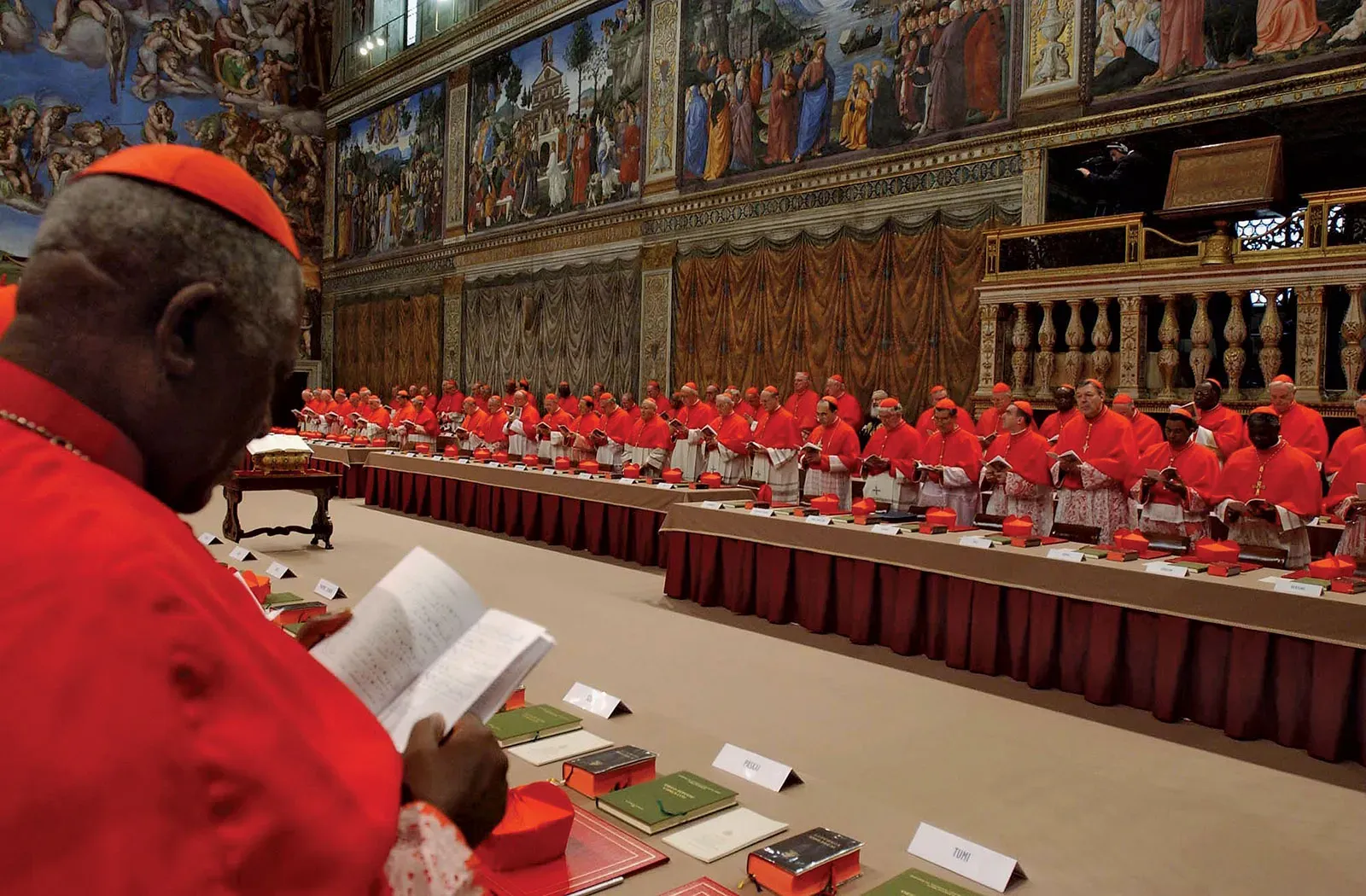
The underrepresentation of Black bishops and cardinals—particularly from Sub-Saharan Africa—has created a structural barrier. Without being in the College of Cardinals, a candidate has no chance of being elected pope.
While Africa is now a growth center for Catholicism, its representation within the Vatican hierarchy remains limited.
Colonial Legacy and Eurocentric Bias
The European colonial period reinforced a racial hierarchy that extended into the Church. Although the Church operated missions across Africa, leadership roles were often reserved for Europeans. Native clergy were rarely promoted to high office until the mid-20th century.
The Church adopted and reflected prevailing social structures. Even as African communities embraced Catholicism, their clergy were not seen as candidates for global leadership.
This bias was not doctrinal, but institutional. The Church’s leadership pipeline was shaped by European norms and colonial influence.
Modern Considerations and Incremental Change
Recent popes have expanded the geographic diversity of the College of Cardinals. African cardinals such as Francis Arinze (Nigeria) and Peter Turkson (Ghana) have been considered papabile in past conclaves. However, none have yet been elected.
The Church remains highly hierarchical and traditional. Electing a Black pope would require a significant shift not only in demographics, but in perception and willingness among voting cardinals.
Progress is occurring slowly, but it remains reactive, not proactive.
There has been no Black pope because the institutional structures of the Church have not supported it. Race is not a doctrinal barrier, but systemic underrepresentation, historical colonialism, and a Eurocentric leadership tradition have prevented a Black candidate from emerging.
Until the College of Cardinals significantly diversifies, the likelihood of a Black pope remains low, regardless of doctrinal openness or pastoral qualifications.





0 comments