
Your Read is on the Way
Every Story Matters
Every Story Matters
The Hydropower Boom in Africa: A Green Energy Revolution Africa is tapping into its immense hydropower potential, ushering in an era of renewable energy. With monumental projects like Ethiopia’s Grand Ethiopian Renaissance Dam (GERD) and the Inga Dams in the Democratic Republic of Congo, the continent is gearing up to address its energy demands sustainably while driving economic growth.
Northern Kenya is a region rich in resources, cultural diversity, and strategic trade potential, yet it remains underutilized in the national development agenda.
Can AI Help cure HIV AIDS in 2025

Why Ruiru is Almost Dominating Thika in 2025

Mathare Exposed! Discover Mathare-Nairobi through an immersive ground and aerial Tour- HD

Bullet Bras Evolution || Where did Bullet Bras go to?
Kenya is a nation of over 40 ethnic groups, each with its own distinct traditions, beliefs, and rituals. While many of these practices are well-known and celebrated—such as traditional dances, ceremonies, and dress—others are considered unusual or "weird" by modern or Western standards. However, these practices are rich in meaning and deeply rooted in cultural identity.
One of the most well-known traditional practices among the Maasai involves the removal of the lower central incisors, typically during childhood. This practice was originally done for both cosmetic and medicinal reasons. It was believed that in the event of illness or lockjaw, nourishment could be administered through the resulting gap.
While this custom has declined in recent decades due to health education and modernization, it remains a symbolic mark of identity for older generations.
Among certain Kenyan communities, particularly within parts of the Kuria, Somali, and Samburu groups, Female Genital Mutilation (FGM) has historically been practiced as a rite of passage into womanhood. While often condemned by health professionals and human rights advocates due to its health risks and violation of bodily autonomy, in these communities it has been seen as a marker of maturity and marital readiness.
Today, the Kenyan government has outlawed FGM, and numerous local and international organizations work to replace this harmful practice with alternative rites of passage that preserve cultural meaning without endangering health.
In some pastoral communities like the Turkana and Pokot, young men must demonstrate physical bravery and strength through dangerous initiation ceremonies. One such ritual involves jumping over bulls or aggressive livestock, which is considered a display of courage and readiness for adulthood.
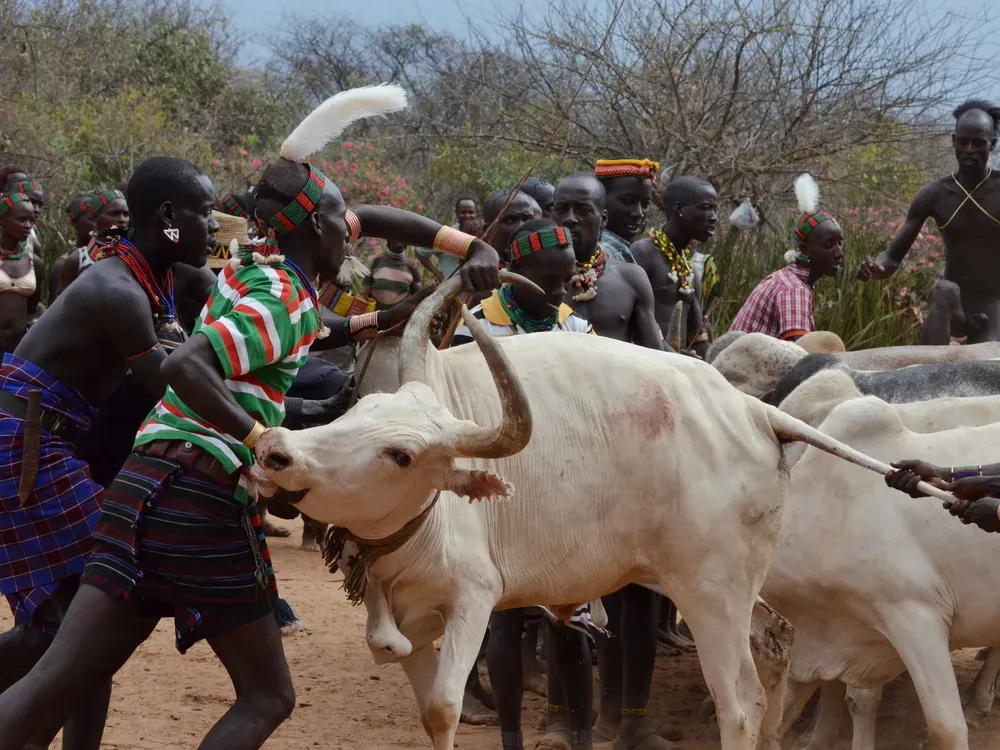
These ceremonies are often accompanied by feasts, blessings, and songs, marking a young man's transition into full societal responsibility, including marriage and leadership roles.
In parts of the Kalenjin community, especially in past decades, a tradition known as “night running” or night courtship was observed. Young men would sneak into villages at night to serenade or impress potential suitors through singing, dancing, or mild pranks.
Though largely fading due to formal education and changing norms, this practice was a culturally accepted form of expressing romantic interest and was often followed by discussions between families if mutual interest was established.
Among the Kikuyu, Luhya, Luo, and other groups, it is common to name children after the events, weather, or circumstances surrounding their birth. For instance, a child born during a famine might be named Njoroge (wanderer), or a child born during rain might receive a name like Wafula.
These names serve as historical markers and often carry emotional or spiritual meaning. Although this practice may appear strange to outsiders, it reflects a profound connection between individual identity and communal experience.
Kenya’s rich cultural landscape includes a range of practices—some widely celebrated, others less understood or controversial. While certain traditions have evolved or faded with time, many continue to shape the values, identity, and cohesion of the communities that uphold them. Appreciating these practices requires sensitivity, open-mindedness, and a willingness to understand cultures on their own terms, rather than through external judgment.




0 comments