
Your Read is on the Way
Every Story Matters
Every Story Matters
The Hydropower Boom in Africa: A Green Energy Revolution Africa is tapping into its immense hydropower potential, ushering in an era of renewable energy. With monumental projects like Ethiopia’s Grand Ethiopian Renaissance Dam (GERD) and the Inga Dams in the Democratic Republic of Congo, the continent is gearing up to address its energy demands sustainably while driving economic growth.
Northern Kenya is a region rich in resources, cultural diversity, and strategic trade potential, yet it remains underutilized in the national development agenda.

Can AI Help cure HIV AIDS in 2025

Why Ruiru is Almost Dominating Thika in 2025

Mathare Exposed! Discover Mathare-Nairobi through an immersive ground and aerial Tour- HD

Bullet Bras Evolution || Where did Bullet Bras go to?
Easter, the most significant holiday in the Christian calendar, celebrates the resurrection of Jesus Christ, symbolizing hope, renewal, and the triumph of life over death. In Kenya, Easter has traditionally been a time for large family gatherings, festive meals, and church services. However, in recent years, this tradition has evolved to emphasize deeper spiritual reflection, community service, and a more meaningful connection with the true essence of Easter.
This shift mirrors global trends where individuals across the world, especially in countries like Kenya, are increasingly choosing to celebrate Easter not just through outward festivities but by engaging in acts of kindness, charity, and spiritual renewal.
What is Easter? A Celebration of Hope and Renewal
Easter commemorates the resurrection of Jesus Christ from the dead, three days after his crucifixion, an event that marks the cornerstone of Christian belief. It is a time when Christians reflect on the significance of Jesus' sacrifice and his victory over death. Easter’s theological importance lies in its demonstration of God’s eternal love for humanity and the promise of everlasting life. The term "Easter" is derived from "Eostre," the name of an Anglo-Saxon goddess of spring, symbolizing rebirth and renewal. This ties in with the season of spring in the northern hemisphere, where the earth itself seems to rise again, much like the resurrection story.
The Four Key Days of Easter: Holy Week and the Crucifixion
Easter is part of a longer period of observance known as Holy Week, which spans the final days of Jesus' earthly ministry. Holy Week starts with Palm Sunday, when Christians remember Jesus’ triumphant entry into Jerusalem, where people laid palm branches before him as a symbol of his kingship.
Good Friday, the most solemn of days, commemorates the crucifixion and death of Jesus Christ, reminding Christians of the immense sacrifice made for humanity's sins. Holy Saturday marks the period of reflection and silence, as Jesus lay in the tomb. Finally, Easter Sunday celebrates the resurrection of Jesus, heralding the victory over death and the hope of eternal life for all who believe.
Why Do We Celebrate Easter with Eggs?
The tradition of using eggs as symbols of Easter dates back to early Christian practices. During the 40-day Lenten fast, eggs were forbidden, but hens continued to lay them. To mark the end of fasting, eggs were decorated and eaten on Easter Sunday, representing new life and rebirth. This practice has evolved into the now-famous Easter egg hunts, where eggs are hidden for children to find, symbolizing the joy of discovery and new beginnings. The decoration of Easter eggs is not only a fun tradition but also a profound representation of the new life that Christians believe Jesus' resurrection grants.
Easter Traditions and Global Celebrations
Easter traditions vary across the globe, each culture bringing its unique customs to the celebration. In Kenya, Easter has become a time for spiritual growth and community involvement rather than simply extravagant feasts. Many churches have moved toward hosting youth retreats, prayer festivals, and charitable outreach programs aimed at uplifting the community. The Kenyan church’s focus on social service highlights the spiritual shift towards selflessness, unity, and community building.
In Mexico, the town of Tetela del Volcán celebrates Easter with a deeply cultural and visual display of penitence, where participants dress as Roman soldiers, engaging in elaborate reenactments. Similarly, in Europe and North America, Easter Sunday is often marked by processions, church services, and festive meals. In the UK, the royal family participates in Easter services at St. George’s Chapel, Windsor, while in the United States, Easter egg hunts and public celebrations attract thousands of participants. Regardless of location, the core message of Easter – resurrection and renewal – remains universal.
How to Observe Easter Meaningfully
To truly embrace the spirit of Easter, individuals are encouraged to look beyond mere tradition and focus on the deeper message of the holiday. Some meaningful ways to celebrate include:
Attend Church Services: Participating in church services offers an opportunity for communal worship, reflection, and the reaffirmation of one’s faith.
Engage in Acts of Service: Volunteering or helping those in need aligns with the Easter spirit of love and sacrifice, making Easter not just about personal celebration but also about uplifting others.
Reflect and Pray: Easter is the perfect time to engage in personal reflection and prayer, meditating on the resurrection and its implications for daily life.
Spend Time with Family and Friends: Sharing meals and time with loved ones nurtures relationships and strengthens community bonds, reinforcing the importance of connection and support.
The Mystery and Purpose of Easter
Easter holds a mystery that has intrigued believers for centuries—the triumph of life over death. It is a reminder that hope is found in the most dire circumstances, as the resurrection offers Christians the assurance of eternal life. The purpose of Easter is not merely to commemorate an event in history but to remind individuals of the transformative power of faith and the promise of redemption. It challenges believers to live out the values of love, compassion, and forgiveness, as exemplified by the life of Jesus Christ.
The Importance of Easter Eggs and Other Symbols
The Easter egg is more than a tradition; it carries deep symbolic meaning. Eggs represent new life, echoing the resurrection of Jesus. The act of decorating eggs symbolizes transformation and renewal. Alongside eggs, other symbols associated with Easter, such as lilies and crosses, represent purity, resurrection, and salvation. Each of these traditions, whether the Good Friday remembrance of sacrifice or the celebratory Easter Sunday feasts, serve as a visual and tangible reminder of the Christian faith and its core message of hope.
Easter and Its Global Impact
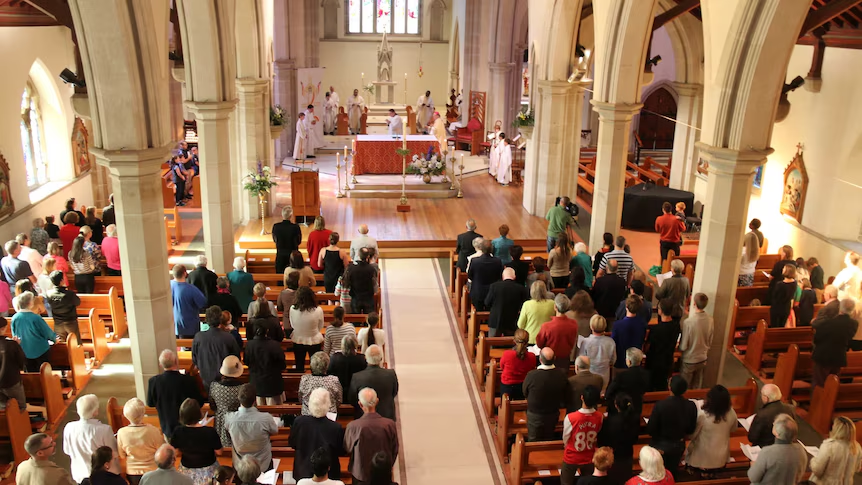
In recent years, Easter celebrations have shifted to embrace both traditional and contemporary forms of observance. As Kenyans celebrate Easter with acts of charity, global counterparts continue to honor the event through unique cultural practices. From attending religious services to participating in vibrant parades or volunteering in their communities, Easter brings a universal call to action: to reflect on life, make a difference in others’ lives, and celebrate the resurrection with hope and joy.
The Benefits and Lessons of Easter
Easter teaches several profound lessons. It teaches resilience in the face of adversity, the power of love, and the promise of hope. The resurrection offers believers the opportunity to renew their faith and reflect on their role in making the world a better place. It also emphasizes selflessness, as followers are encouraged to serve others, live with humility, and share the blessings they have received. This sense of spiritual growth is crucial in modern life, where individuals are often distracted by material pursuits, and Easter offers a return to faith, family, and community.
What is the Main Message of the Resurrection?
The resurrection of Jesus Christ is the cornerstone of Christianity. It signifies that death is not the end, but a new beginning. Christians believe that through Jesus' resurrection, all people have the chance to live forever with God, free from sin. This powerful message transcends time and geography, offering hope to believers around the world that life, though fleeting, is eternal in Christ.






0 comments