
Your Read is on the Way
Every Story Matters
Every Story Matters
The Hydropower Boom in Africa: A Green Energy Revolution Africa is tapping into its immense hydropower potential, ushering in an era of renewable energy. With monumental projects like Ethiopia’s Grand Ethiopian Renaissance Dam (GERD) and the Inga Dams in the Democratic Republic of Congo, the continent is gearing up to address its energy demands sustainably while driving economic growth.
Northern Kenya is a region rich in resources, cultural diversity, and strategic trade potential, yet it remains underutilized in the national development agenda.
Can AI Help cure HIV AIDS in 2025

Why Ruiru is Almost Dominating Thika in 2025

Mathare Exposed! Discover Mathare-Nairobi through an immersive ground and aerial Tour- HD

Bullet Bras Evolution || Where did Bullet Bras go to?
Introduction: Africa’s Unspoken Papal Legacy
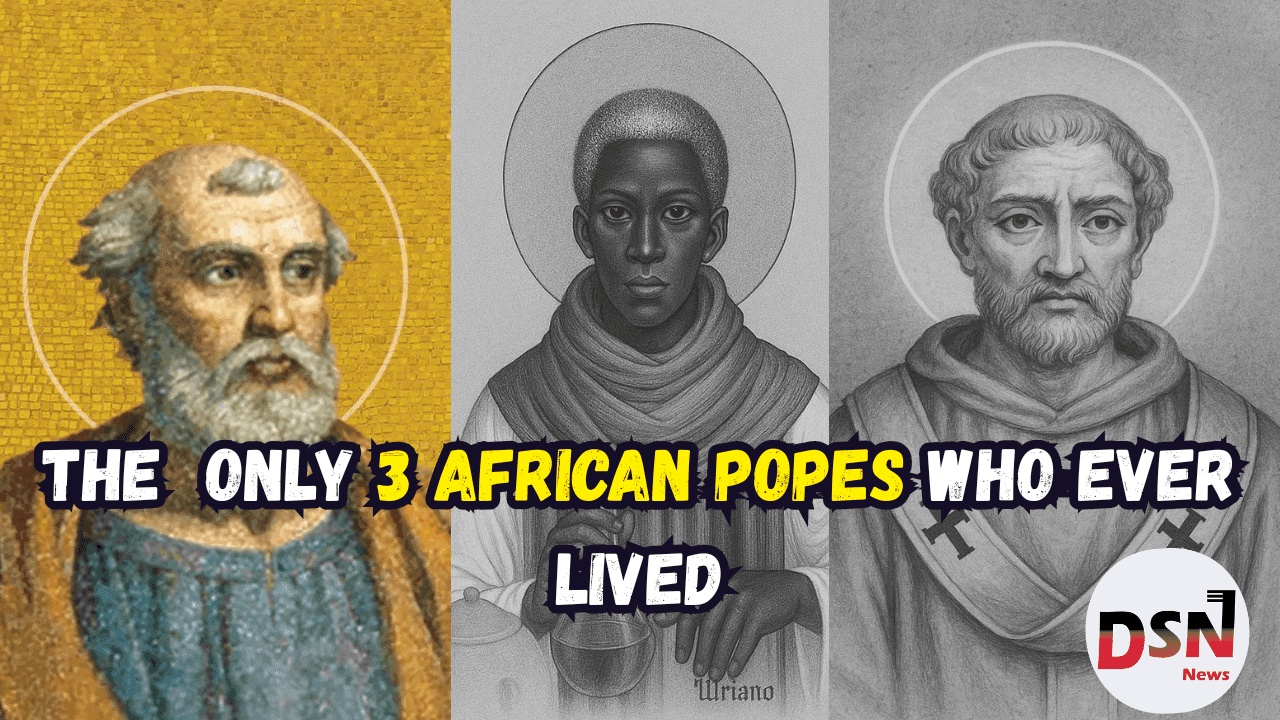
In the often-Eurocentric history of the Catholic Church, the papacy is seen as an unbroken line of European authority. But this was not always the case. More than 1,500 years ago, three popes of African origin—Victor I, Miltiades, and Gelasius I—led the Church through times of doctrinal conflict, persecution, and imperial transition. Their reigns are historical fact, yet they are absent from popular narratives and rarely honored in African Catholic traditions today. Why?
This article delves deep into who they were, the times they lived in, the changes they shepherded, and why, despite their powerful legacies, the Church has never again had a pope from the African continent.
1. Pope Victor I (c. 189–199 AD): The Enforcer of Uniformity
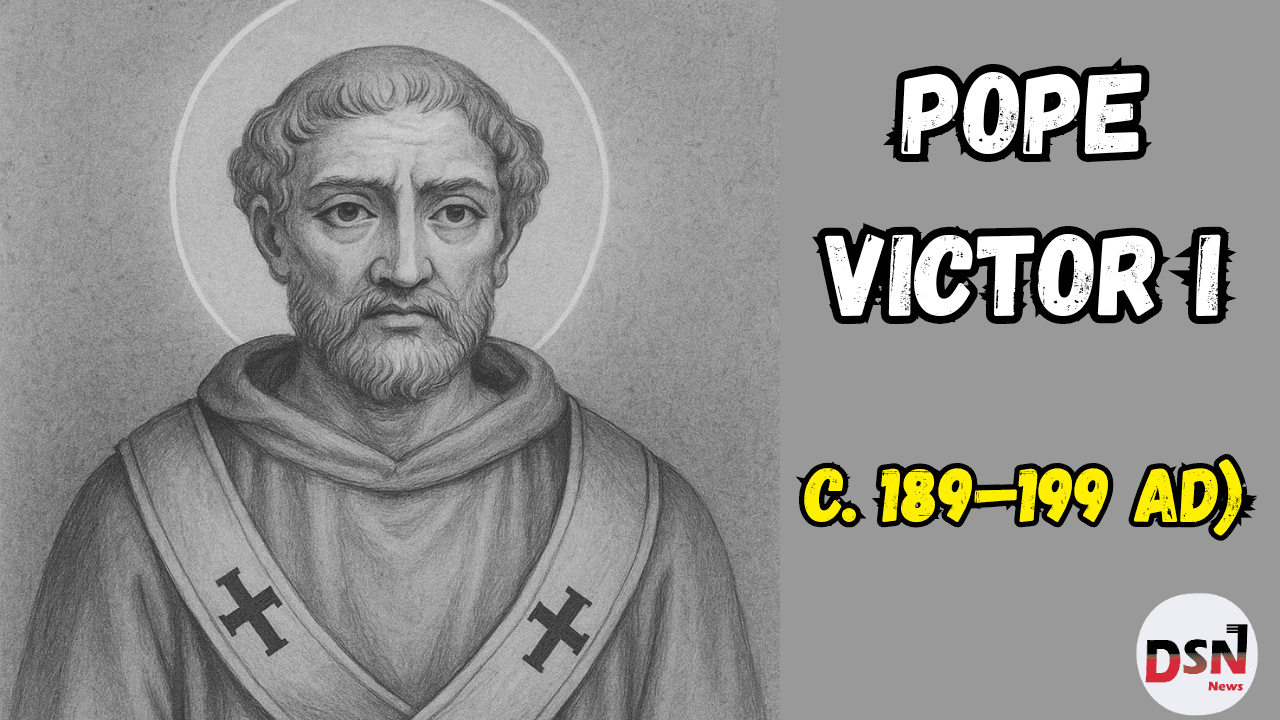
The Man:
Born in Roman Africa—likely modern-day Tunisia—Victor I rose through the ranks of the early Christian Church during a time when Rome still persecuted Christians. His African identity was not unusual in the Roman Empire’s cosmopolitan power centers.
His Impact:
Victor I is best remembered for his assertive stance during the Quartodeciman controversy, where he pushed for a standardized celebration of Easter on Sunday. His move to excommunicate the Eastern churches that followed a different calendar marked one of the first major papal attempts to enforce global Church uniformity—establishing the primacy of Rome long before it was widely accepted.
Victor’s tenure shows the early papacy was not simply spiritual—it was political. He acted as a power broker, shaping global Christian identity. That he did so as an African-born pope raises questions about how we define the boundaries of race and leadership in antiquity.
2. Pope Miltiades (311–314 AD): The Transition Figure
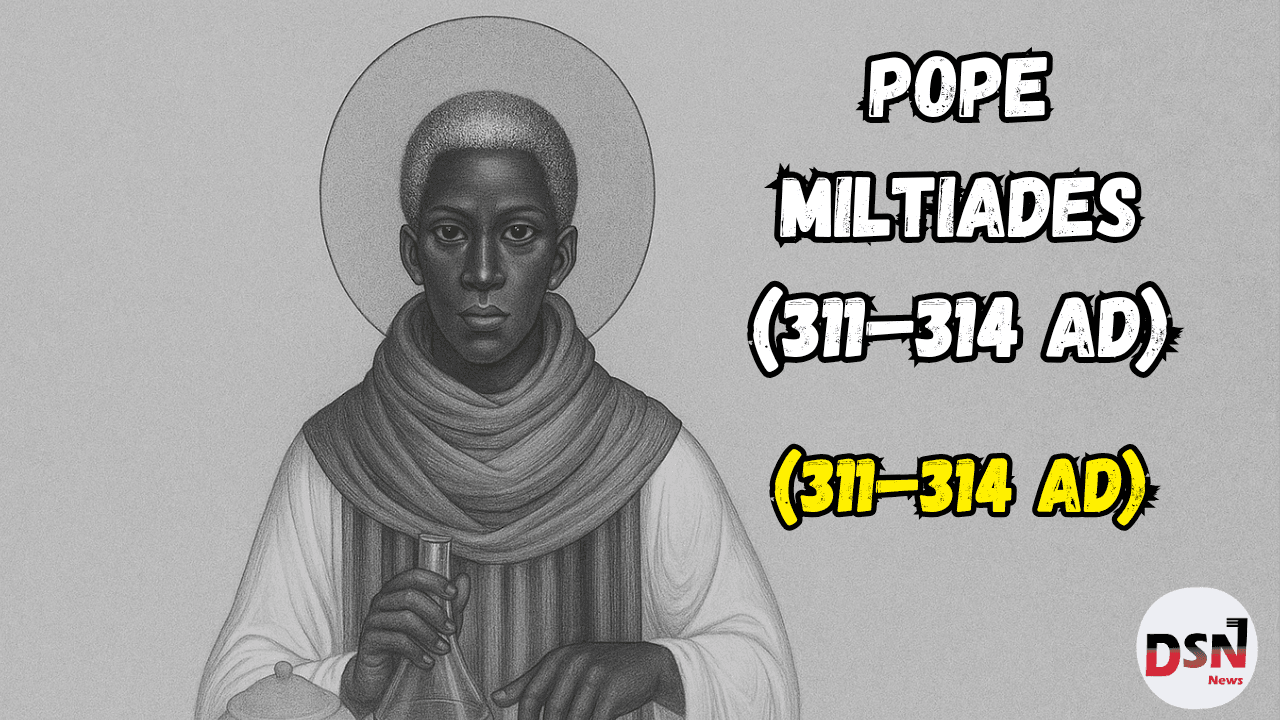
The Man:
Known also as Melchiades, Miltiades was another African native, assuming the papacy during a transformative era—right at the end of the Diocletianic persecution and on the cusp of the Church’s legal recognition by the Roman state.
His Impact:
Miltiades was pope when Emperor Constantine issued the Edict of Milan in 313 AD, ending official persecution of Christians. He also presided over the Lateran Synod of 313, which dealt with the Donatist controversy—a bitter debate over whether priests who had lapsed under persecution could still administer valid sacraments.
Miltiades’ African origin is especially poignant considering the Donatist schism was deeply rooted in North Africa. Yet instead of uniting African Christians, the debate entrenched regional divides that would weaken the Church in Africa for centuries. He was a pope caught between old fears and new freedoms—and perhaps between worlds that never fully reconciled.
3. Pope Gelasius I (492–496 AD): The Theologian of Authority
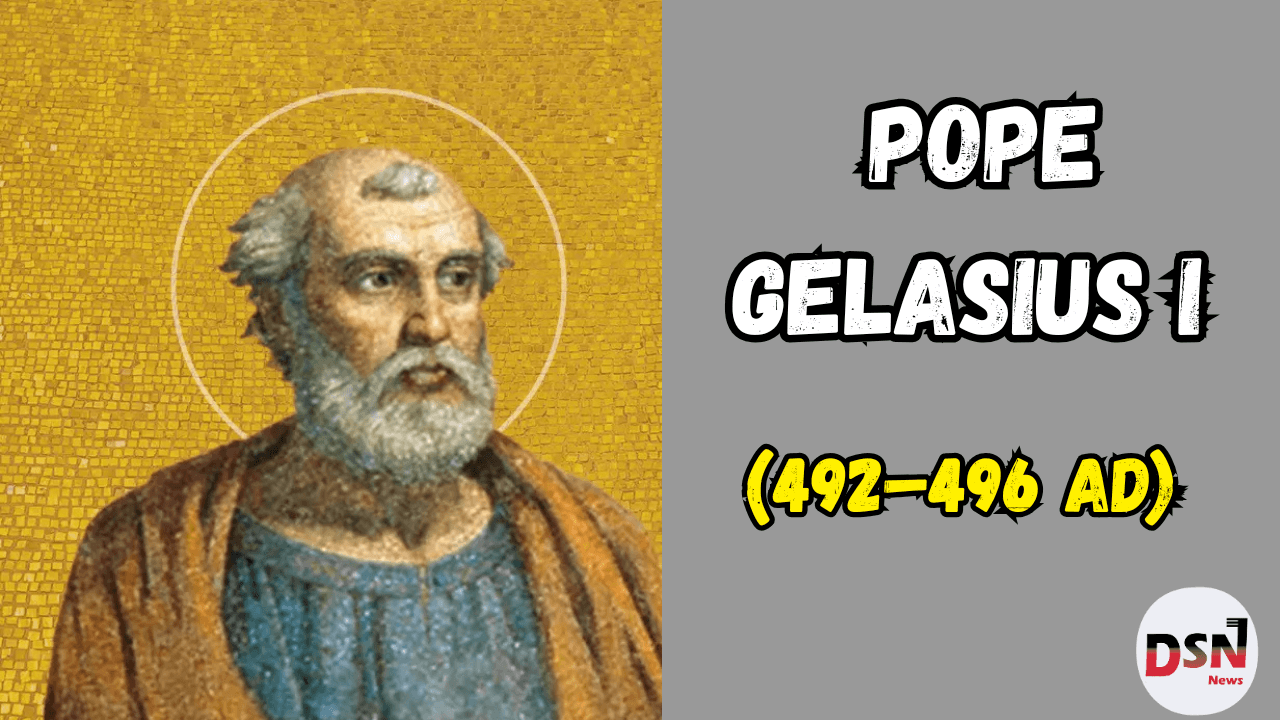
The Man:
Born in what is now likely modern Algeria or Tunisia, Gelasius I was the last of the three African popes—and the most influential in shaping Church doctrine.
His Impact:
Gelasius is famous for articulating the “doctrine of the two powers”—Church and State—arguing that the spiritual authority of the pope was superior to the secular authority of emperors. This idea would form the foundation for centuries of Church-State relations in Europe. He also battled the Eastern Church during the Acacian Schism and worked to define orthodoxy in a time of theological fragmentation.
Gelasius’ writings were cited by later popes as justification for papal supremacy. His intellectual and theological contributions make him one of the founding minds of Western Christian political theory—yet he is rarely cited in African theology today.
Why Were They Forgotten?
Despite their achievements, these African popes were slowly erased from collective memory. As Christianity shifted deeper into Europe and the papacy became synonymous with Roman and later Italian identity, the early diversity of the Church’s leadership was lost or dismissed.
Related Reads:
Pope Leo XIV Begins His Papacy as the First American to Lead the Catholic Church
Racism, colonial attitudes, and a European-centric hierarchy ensured that no Black African pope has followed since. The achievements of Victor, Miltiades, and Gelasius were reframed as Roman rather than African, their identities folded into the empire's broader history.
Could There Be Another African Pope?
Today, Catholicism is growing fastest in Sub-Saharan Africa. Cardinals like Peter Turkson and Wilfrid Napier have emerged as serious theological leaders. But the College of Cardinals remains heavily Eurocentric, and no African candidate has been seriously considered in recent conclaves.
The question is no longer about capability but about power structures: will the Church acknowledge its global demographic shift in time to choose a leader who reflects it?
A Legacy Waiting to Be Reclaimed
Victor I, Miltiades, and Gelasius I were not anomalies—they were evidence of what the Church could be at its most universal. Their African origins did not hinder their leadership; instead, they brought perspective, resolve, and reform. Remembering their stories is not just about honoring the past. It’s about reimagining the future of the Church and challenging assumptions that leadership must come from the Global North.
Until the legacy of these African popes is fully embraced, the Church’s claim of universality remains incomplete.




0 comments