
Your Read is on the Way
Every Story Matters
Every Story Matters
The Hydropower Boom in Africa: A Green Energy Revolution Africa is tapping into its immense hydropower potential, ushering in an era of renewable energy. With monumental projects like Ethiopia’s Grand Ethiopian Renaissance Dam (GERD) and the Inga Dams in the Democratic Republic of Congo, the continent is gearing up to address its energy demands sustainably while driving economic growth.
Northern Kenya is a region rich in resources, cultural diversity, and strategic trade potential, yet it remains underutilized in the national development agenda.

Can AI Help cure HIV AIDS in 2025

Why Ruiru is Almost Dominating Thika in 2025

Mathare Exposed! Discover Mathare-Nairobi through an immersive ground and aerial Tour- HD

Bullet Bras Evolution || Where did Bullet Bras go to?
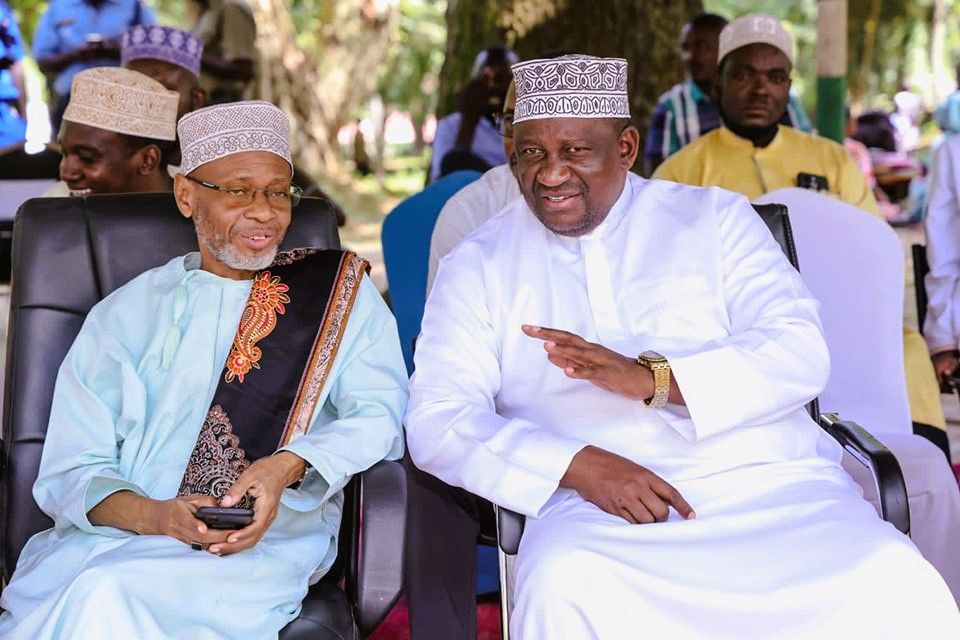
In Kwale County, a remarkable community-driven initiative is reshaping the way couples formalize their unions, blending faith, tradition, and affordability into a single life-changing event. Just days before the sacred month of Ramadan, 270 couples gathered for a mass solemnization ceremony, an event that has become an annual tradition in the region. Organized with the support of religious leaders and local stakeholders, the initiative aims to ensure that couples enter Ramadan with their marriages recognized both legally and spiritually. For many, this is more than just a religious exercise—it is an opportunity to solidify their commitments in an environment where the high costs of traditional weddings often make formal unions unattainable.
The ceremony was officiated by Chief Kadhi Athman Abdulhalim, whose presence underscored the significance of the event in the Islamic faith. His role in the proceedings symbolized the community’s dedication to ensuring that marriage, a cornerstone of Islamic teachings, remains accessible to all, regardless of financial background. With marriage being a deeply respected institution in Islam, the mass wedding provided an opportunity for couples to uphold their faith in a dignified and affordable manner. By reducing the financial burdens typically associated with marriage, the initiative is opening doors for many who might otherwise struggle to formalize their relationships.
For the newlyweds, this occasion marked not only a spiritual milestone but also a deeply personal one. Among them was Moses Mwinyi, a 75-year-old groom who had long dreamed of officially recognizing his union. His gratitude was evident as he expressed relief at having been given the chance to solemnize his marriage despite his age. "I’m glad I’ve gotten to solemnize my union even at my age," he said, highlighting the event’s inclusivity and its ability to accommodate individuals from all walks of life. His story reflects the reality of many couples who, for various reasons, had never had the chance to formalize their unions until now.
Another participant, Mwinyi Omar, emphasized the practical benefits of the initiative, particularly for men in polygamous marriages. As a husband with two wives, Omar was well aware of the complexities that come with managing multiple relationships. For him, the mass solemnization was more than just a formality—it was a necessary step in ensuring that his marriages were recognized both religiously and legally. "It comes with many challenges, but I’m happy to have taken this step," he shared. His experience underscores the importance of marriage formalization, particularly in societies where polygamy is practiced, as it provides legal protections and a clear framework for marital responsibilities.
Beyond individual stories, the mass wedding highlights a broader societal issue—the financial constraints that often prevent couples from formalizing their unions. In many cultures, weddings are seen as elaborate and costly affairs, with families expected to host large celebrations that can place an immense burden on their finances. This reality has led to many couples postponing or even forgoing marriage altogether, despite their desire to be united in the eyes of both the law and their faith. The Kwale initiative seeks to dismantle these financial barriers, proving that marriage does not have to be a privilege reserved for the wealthy.
The event also fosters a strong sense of community, bringing together families, religious leaders, and well-wishers in a celebration of love and commitment. Unlike private weddings, which can sometimes be exclusive or restricted to those who can afford them, the mass solemnization is a collective experience that reinforces the communal nature of marriage. By witnessing and participating in the ceremonies of others, couples gain a deeper appreciation for the values of unity and shared responsibility that marriage embodies. The presence of religious leaders also serves as a powerful reminder that marriage is not just a personal journey but a spiritual one that is recognized and supported by the larger community.
For Kwale County, this initiative has become a hallmark of progressive social support, demonstrating that faith-based solutions can effectively address economic challenges. As more couples take part in the mass wedding each year, the event is slowly reshaping cultural perceptions around marriage, challenging the notion that a wedding must be extravagant to be meaningful. Instead, it reinforces the idea that the essence of marriage lies in commitment, faith, and mutual respect—values that transcend financial constraints. This shift in mindset is particularly crucial in encouraging young people to view marriage as an attainable and important milestone in their lives, rather than a daunting financial undertaking.
While the initiative has been largely successful, it also raises important questions about how societies can continue to make marriage more accessible while upholding cultural and religious traditions. Some critics argue that mass weddings, while practical, may lack the personal touch and familial involvement that traditional ceremonies offer. However, for the hundreds of couples who have benefited from the program, the opportunity to legally and religiously recognize their unions far outweighs any perceived shortcomings. Many participants see it as a meaningful and dignified alternative, proving that love and commitment need not be overshadowed by financial pressures.
As the newlyweds step into Ramadan, they do so with the peace of mind that comes with having their marriages formally recognized. Their journey serves as an inspiration to many others who may have longed for the same opportunity but faced financial or logistical obstacles. Kwale’s mass wedding initiative is more than just a ceremony—it is a testament to the power of faith, community, and shared support in ensuring that love and commitment remain accessible to all. In a world where financial barriers often dictate the course of people's lives, initiatives like these provide a refreshing reminder that marriage is, at its core, about unity, devotion, and the strength found in standing together.





0 comments