
Your Read is on the Way
Every Story Matters
Every Story Matters
The Hydropower Boom in Africa: A Green Energy Revolution Africa is tapping into its immense hydropower potential, ushering in an era of renewable energy. With monumental projects like Ethiopia’s Grand Ethiopian Renaissance Dam (GERD) and the Inga Dams in the Democratic Republic of Congo, the continent is gearing up to address its energy demands sustainably while driving economic growth.
Northern Kenya is a region rich in resources, cultural diversity, and strategic trade potential, yet it remains underutilized in the national development agenda.

Can AI Help cure HIV AIDS in 2025

Why Ruiru is Almost Dominating Thika in 2025

Mathare Exposed! Discover Mathare-Nairobi through an immersive ground and aerial Tour- HD

Bullet Bras Evolution || Where did Bullet Bras go to?
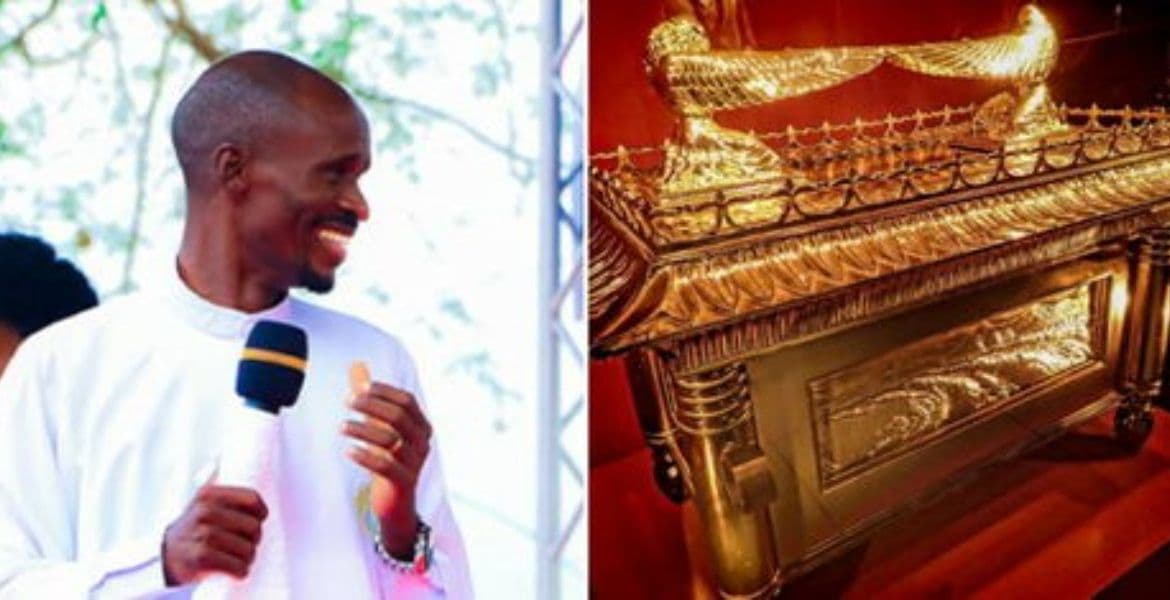
Pastor Ezekiel Odero, the head of the New Life Prayer Centre and Church based in Kilifi County, Kenya, claimed he had done what generations of theologians, archaeologists, and religious leaders have only speculated about—he had found the Ark of the Covenant. According to Odero, he traveled to Jerusalem, purchased the sacred relic, and went through the due customs process to have it legally imported into Kenya.
What he displayed to his congregation was a gold-trimmed chest-like object adorned with winged cherubim—symbols often associated with the biblical descriptions of the Ark.
His congregation received the revelation with awe, interpreting it as a divine endorsement of his leadership and calling.
The supposed Ark was treated with reverence, with some worshippers even equating its arrival to a spiritual rebirth for the nation. But outside the church walls, the claim sparked a wave of skepticism, theological scrutiny, and renewed global curiosity into the whereabouts of one of religion’s most fabled artifacts.
Historically, the Ark of the Covenant is believed to be the sacred container that housed the original tablets of the Ten Commandments, given to Moses at Mount Sinai. It has long been lost to history, its location the subject of legends, religious texts, and numerous theories. One of the most prominent beliefs, especially within the Ethiopian Orthodox Church, is that the Ark rests in the Church of St. Mary of Zion in Axum, guarded and never shown to the public.
This theory found reinforcement through declassified Cold War-era CIA files, in which a 1988 remote viewing session placed the Ark in Ethiopia—not Jerusalem. That intelligence detail has since been referenced in many documentaries and scholarly discussions, making Odero’s claim that he bought it in Jerusalem all the more implausible in the eyes of experts.
No reputable archaeologist or religious historian has authenticated the object Odero showcased. Its appearance—though ornate—does not conform precisely to ancient design specifications detailed in scriptural accounts. Yet, without access for independent verification, the authenticity of the item remains in limbo.
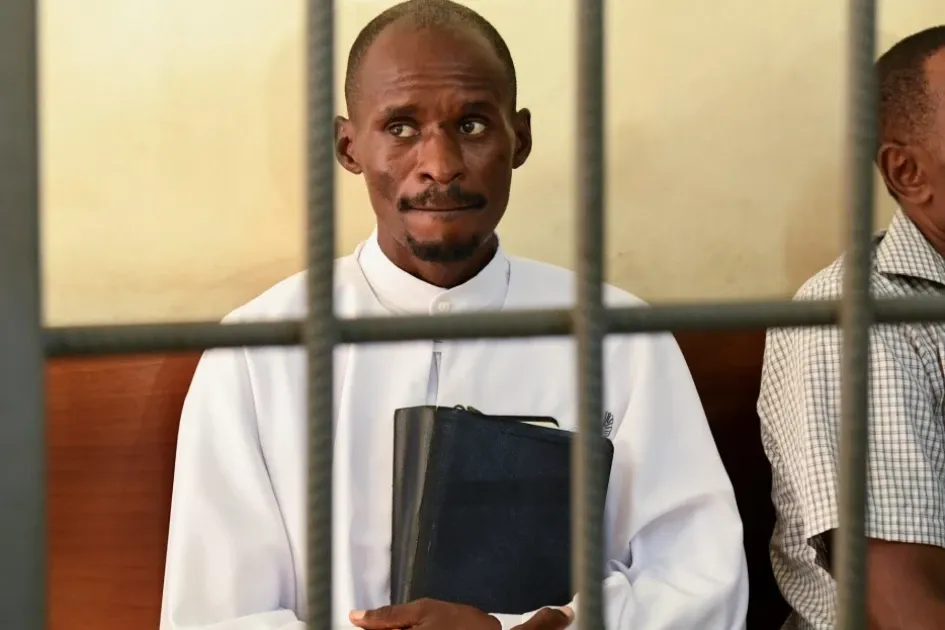
The Ark announcement comes at a time when Pastor Odero is facing significant legal and reputational challenges. He is under active investigation by Kenyan authorities in connection to the deaths in the Shakahola forest, where cult leader Paul Mackenzie is accused of orchestrating mass starvation. Odero’s links to Mackenzie have been the subject of probes, although he denies any wrongdoing.
Additionally, his ministry has been under intense regulatory scrutiny. At one point, the government moved to deregister his church due to alleged financial misconduct and noncompliance. The courts temporarily halted that decision, giving him legal breathing room. Yet, the timing of the Ark claim—amid legal pressure and public doubt—has not gone unnoticed. Critics argue that the announcement may be a calculated move to reassert spiritual legitimacy and rally support from his expansive follower base, both locally and abroad.
Ezekiel Odero’s claims are not just about a religious relic—they’re about power, influence, and the enduring role of spectacle in modern spirituality. Charismatic leaders often thrive by creating moments of wonder and symbolic authority, blending biblical narratives with modern-day relevance. Possessing the Ark of the Covenant, whether real or replica, is a potent symbol that elevates a pastor's spiritual standing beyond reproach in the eyes of believers.
However, such unverified religious claims pose risks. They blur the line between faith and manipulation, drawing in people who may be vulnerable or desperate for signs of divine intervention. In this case, a lack of transparency and scholarly engagement means that followers are expected to rely solely on trust rather than tangible evidence.
As this saga unfolds, it reflects a broader tension between religious freedom and public accountability. Kenya, like many African nations, continues to grapple with how to regulate religious institutions without infringing on constitutional rights. Pastor Odero’s Ark claim, while extraordinary, underscores the importance of theological and legal scrutiny in preventing spiritual exploitation.
Unless the object is independently examined and proven authentic—which appears unlikely given current circumstances—it will remain a point of theological curiosity rather than verified history. For now, the claim serves more as a symbol of religious audacity than a credible discovery of biblical proportions.





0 comments