
Your Read is on the Way
Every Story Matters
Every Story Matters
The Hydropower Boom in Africa: A Green Energy Revolution Africa is tapping into its immense hydropower potential, ushering in an era of renewable energy. With monumental projects like Ethiopia’s Grand Ethiopian Renaissance Dam (GERD) and the Inga Dams in the Democratic Republic of Congo, the continent is gearing up to address its energy demands sustainably while driving economic growth.
Northern Kenya is a region rich in resources, cultural diversity, and strategic trade potential, yet it remains underutilized in the national development agenda.

Can AI Help cure HIV AIDS in 2025

Why Ruiru is Almost Dominating Thika in 2025

Mathare Exposed! Discover Mathare-Nairobi through an immersive ground and aerial Tour- HD

Bullet Bras Evolution || Where did Bullet Bras go to?
Nairobi’s ever-buzzing streets were caught off-guard when news broke that the Freemasons' Hall—one of the city's oldest and most secretive institutions—had been officially shut down. The reason? Unpaid land rates. The local authorities’ move to seize the premises may have been procedural, but the public reaction was anything but routine. From social media timelines to church pulpits and market stalls, conversations erupted not just about the financial issue but about the deeper significance of the Freemasons' presence in Kenya’s capital. For many, this wasn’t just a building closure—it was a symbolic moment loaded with cultural, spiritual, and political implications.
The hall, located at a prominent intersection in Nairobi’s central business district, has long been a source of curiosity and mystery. Its large, often-guarded gates and historic architecture have prompted more questions than answers among residents. With the abrupt closure, what was once speculated in whispers is now being discussed openly. Some called it justice, others labeled it religious discrimination, while a growing number demanded to know more about what really happens behind those walls.
Among many Kenyans, particularly those who hold strong religious convictions, the Freemasons' presence has always been contentious. The closure rekindled long-held suspicions and conspiracy theories about what the group represents. For some, the shutdown was seen as a victory—a public accountability moment for a group often perceived as elite, secretive, and beyond reproach. Online, commenters questioned the legitimacy of the group’s activities, with many demanding that it be treated with the same scrutiny as other religious or social organizations.
Phrases like “Is this really a church?” and “They’ve always operated in the shadows” flooded forums and Facebook pages. There was a sense that the closure provided an opportunity to reassess what the Freemasons are doing in Kenya, how they operate, and whether they should be allowed to continue doing so without greater transparency. While the reason for the closure was straightforward—default on land rates—many saw it as a sign that the influence of secret societies, no matter how powerful, could no longer go unquestioned.
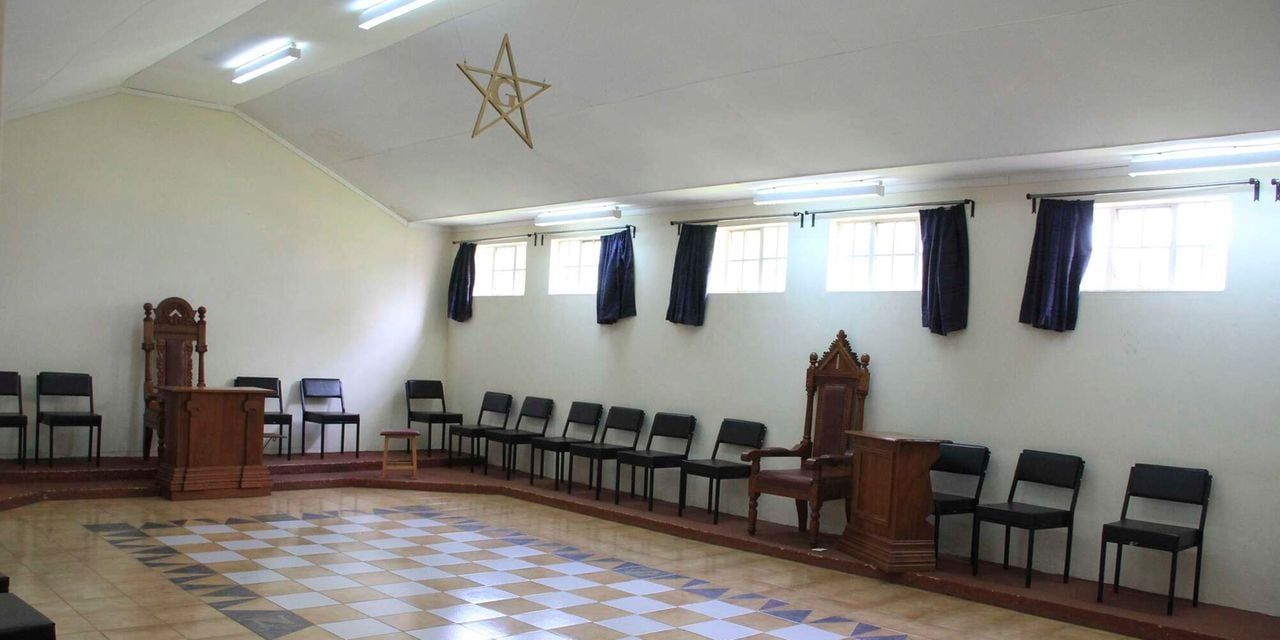
Not everyone was in celebration. A significant portion of Kenyans voiced concern that the Freemasons were being targeted unfairly. They argued that the incident might set a dangerous precedent where religious or philosophical minorities could be treated differently depending on public sentiment. Freedom of worship is enshrined in the Kenyan Constitution, and critics of the closure said the move potentially infringed upon that right.
For these defenders, it wasn’t about whether they agreed with Freemasonry or not. It was about the principle of equal treatment. “If the government can shut down one group today, who’s to say it won’t shut down churches or mosques tomorrow?” asked one concerned citizen. This segment of the public believes that all organizations, regardless of their beliefs or levels of transparency, should be judged by the same legal and financial standards—not by public opinion or religious bias.
Perhaps the most intriguing public reaction came from those baffled by how an organization often linked with power and wealth could fail to settle something as basic as land rates. The image of the Freemasons as financially untouchable, with members supposedly comprising business moguls, politicians, and high-ranking officials, clashed dramatically with the reality of a city council taking action for non-payment.
People asked: how could such a wealthy institution let this happen? Was it neglect, oversight, or something deeper? The irony did not go unnoticed. This wasn’t a small, struggling church or NGO being taken down. This was an organization associated with elite influence—yet here it was, facing closure over what seemed like an administrative mishap. Some saw this as poetic justice; others saw it as a deeper failure within the institution to maintain its public responsibilities.
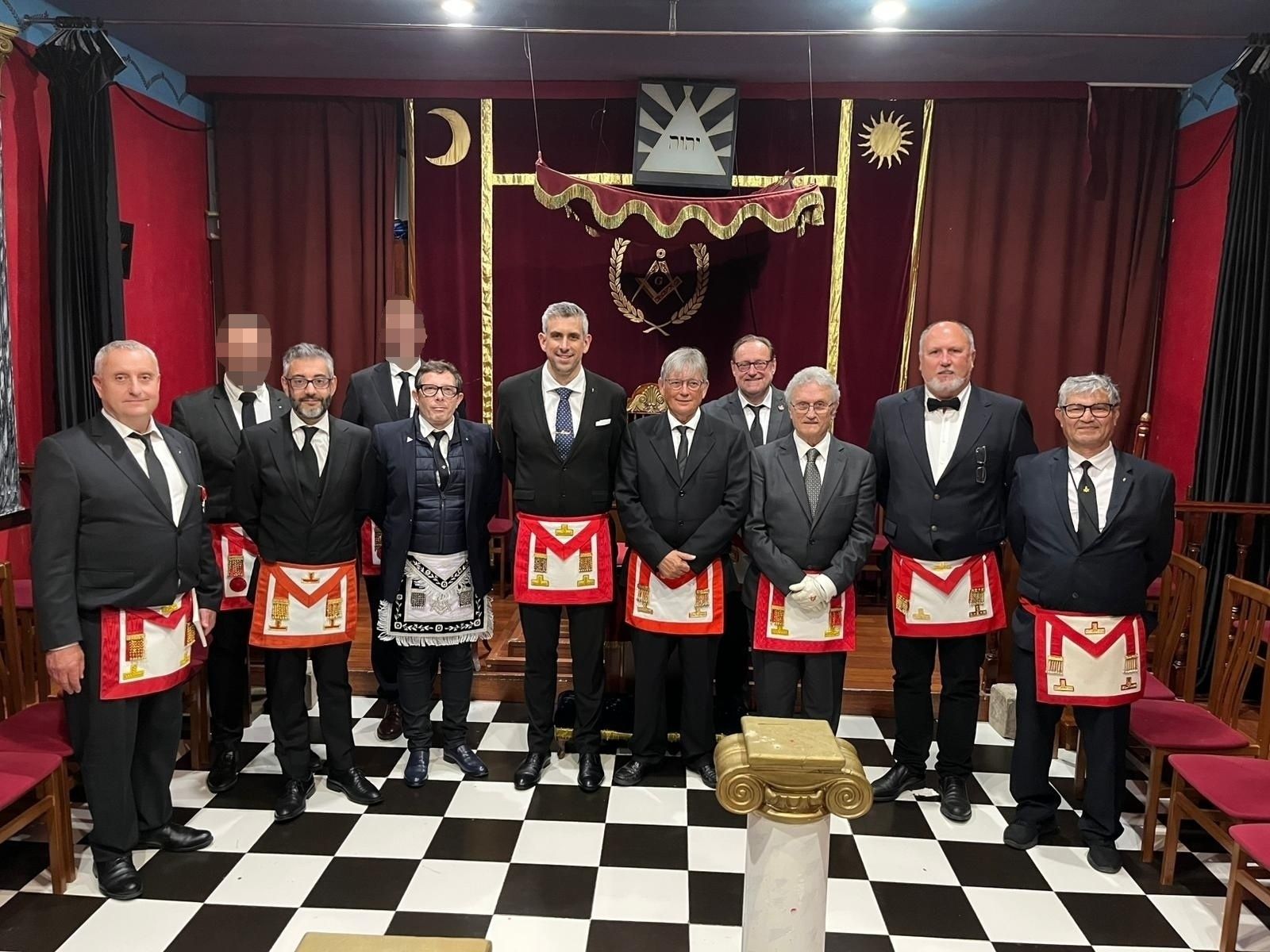
Amid the growing storm of public opinion, the Freemason leadership stepped forward to address the issue. William Ramsay McGhee, the Grand Master Mason under the Grand Lodge of Scotland, sought to clarify the organization’s purpose and counter the negativity swirling in the media. His statement framed Freemasonry not as a secretive cult, but as a fraternal order focused on values like integrity, personal growth, and moral responsibility. “We make good men better men,” he said in essence, defending the organization’s presence in Kenya and around the world.
His remarks, though measured and diplomatic, did little to stem the tide of public curiosity and scrutiny. For many, the issue was never just about the land rates. It was about a perceived disconnect between public perception and private power. McGhee’s efforts to normalize Freemasonry as a value-based fraternity may have resonated with a few, but for most, the mystery remains unresolved.
The closure of the Freemasons’ Hall may be temporary, pending resolution of the land rates issue, but the public conversation it has triggered is likely to persist far longer. At its core, this moment has reawakened a national dialogue about transparency, privilege, religious freedom, and the role of organizations that operate outside the usual public lens.
Whether this results in greater openness from the Freemasons, increased government scrutiny, or broader legal reform around registration and operation of religious and fraternal bodies, one thing is clear: the shroud of mystery around the Freemasons is thinner than ever before. And in an age where information is power, the Kenyan public is no longer content to wonder in silence.




0 comments