
Your Read is on the Way
Every Story Matters
Every Story Matters
The Hydropower Boom in Africa: A Green Energy Revolution Africa is tapping into its immense hydropower potential, ushering in an era of renewable energy. With monumental projects like Ethiopia’s Grand Ethiopian Renaissance Dam (GERD) and the Inga Dams in the Democratic Republic of Congo, the continent is gearing up to address its energy demands sustainably while driving economic growth.
Northern Kenya is a region rich in resources, cultural diversity, and strategic trade potential, yet it remains underutilized in the national development agenda.
Can AI Help cure HIV AIDS in 2025

Why Ruiru is Almost Dominating Thika in 2025

Mathare Exposed! Discover Mathare-Nairobi through an immersive ground and aerial Tour- HD

Bullet Bras Evolution || Where did Bullet Bras go to?
As the sun set over the bustling metropolis of Nairobi, the city’s skyline reflected the golden hues of twilight, setting the stage for a momentous gathering in the upscale neighborhood of Upper Hill. Raila Odinga, one of Kenya’s most influential political figures, hosted an Iftar dinner that brought together prominent Muslim leaders, scholars, and community representatives from across the country. The event was more than just a ceremonial breaking of the fast—it was a strategic and heartfelt effort to build bridges, strengthen relationships, and acknowledge the cultural and religious diversity that defines Kenya.
The invitation was extended to a wide range of guests, from religious clerics to business leaders and grassroots representatives. The diverse nature of the attendees reflected Odinga’s broader vision of inclusivity, emphasizing the need for unity in a country often challenged by political and ethnic divisions. As guests arrived, they were greeted with warm hospitality, an essential aspect of both African and Islamic traditions. The aroma of rich Kenyan dishes filled the air, signaling not just the breaking of the fast but the breaking of barriers between communities that have, at times, found themselves on opposite sides of political and social debates.
Iftar, the meal that marks the end of daily fasting during Ramadan, is one of the most sacred and unifying aspects of the Islamic faith. It is a time of gratitude, self-reflection, and community bonding, where families, friends, and even strangers come together to share a meal, reinforcing the values of generosity, kindness, and inclusivity. Hosting such an event goes beyond mere politeness—it carries deep symbolic meaning, especially in a country where religion plays a crucial role in shaping societal interactions.
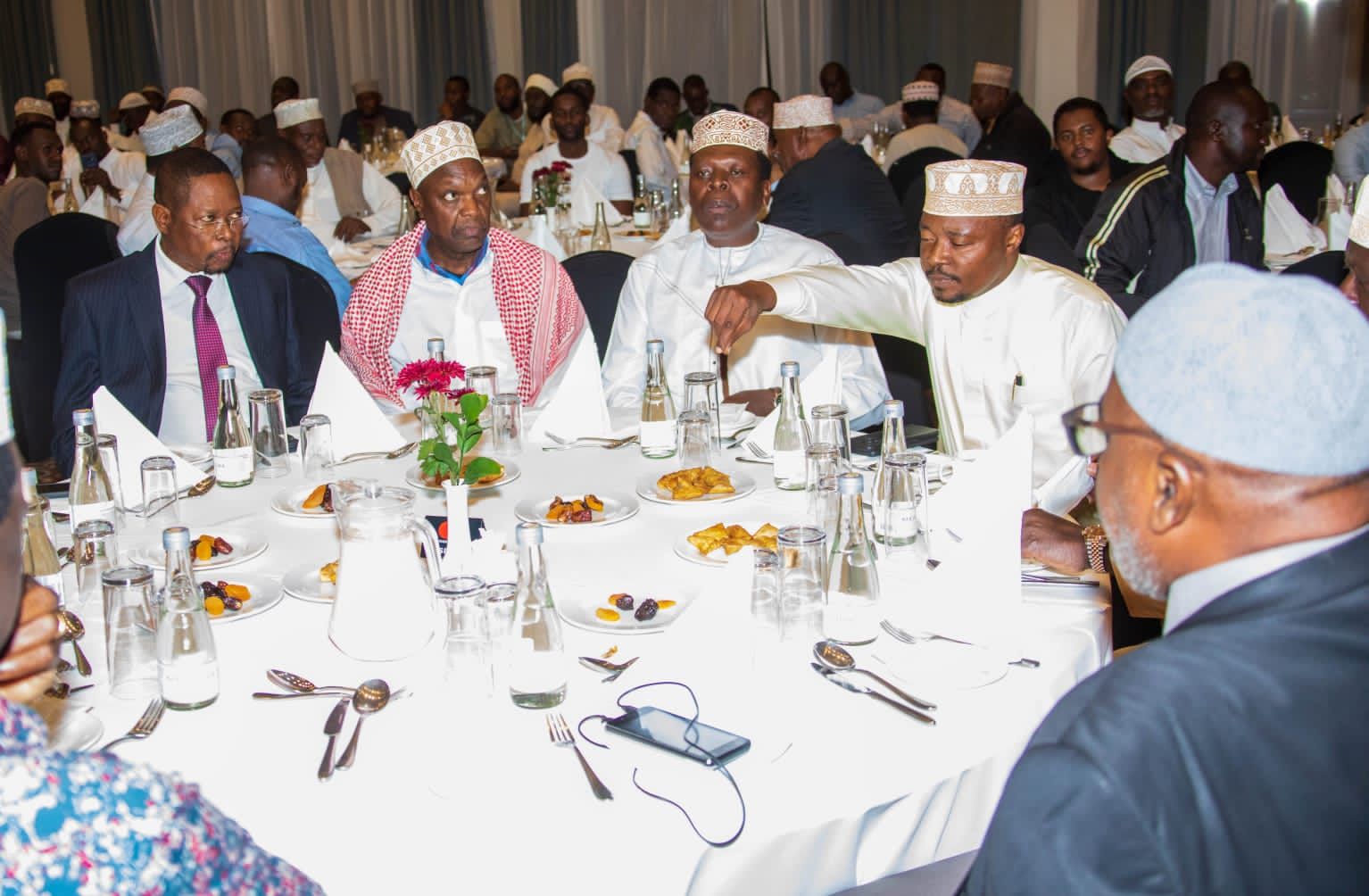
By organizing this Iftar, Odinga not only acknowledged the religious traditions of the Muslim community but also demonstrated his respect and commitment to fostering an inclusive and harmonious society. His presence at the dinner, alongside respected Islamic scholars and leaders, signified an important gesture of solidarity, particularly at a time when religious and ethnic tensions can sometimes influence political discourse. The event underscored the importance of embracing diversity, fostering interfaith understanding, and recognizing the contributions of different religious groups to national development.
Beyond the sharing of food and religious observances, the evening was also an opportunity for meaningful discussions on pressing issues affecting the Muslim community and the nation as a whole. Various speakers took to the podium to express their views on key concerns, including economic challenges, access to education, political representation, and religious tolerance. Some leaders voiced the need for greater inclusion of Muslims in government decision-making processes, while others highlighted ongoing challenges such as discrimination, economic marginalization, and security concerns.
Odinga, in his address, reaffirmed his dedication to ensuring that all Kenyans—regardless of religion or ethnicity—are treated with fairness and dignity. He acknowledged the grievances of the Muslim community, particularly in areas where they have historically felt sidelined, and vowed to champion policies that promote equality and inclusivity. He also emphasized the importance of peaceful coexistence, urging religious leaders to continue playing their role in advocating for unity, tolerance, and national cohesion.
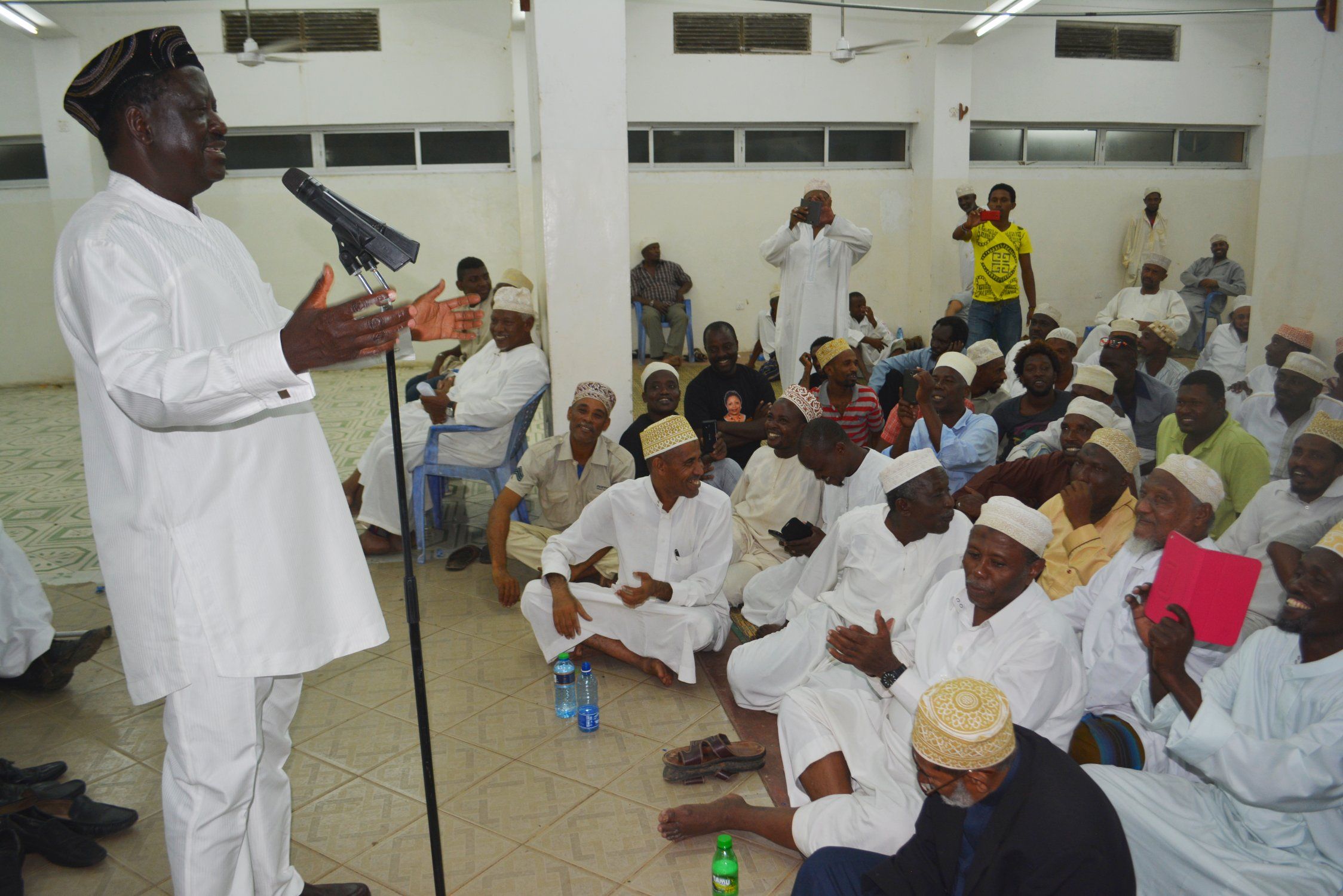
One of the key takeaways from the discussion was the role of young people in shaping Kenya’s future. Several attendees stressed the importance of empowering Muslim youth through education, job opportunities, and leadership training programs. Odinga echoed these sentiments, noting that sustainable development can only be achieved when every community, including minority groups, is given a fair chance to contribute to the nation’s progress.
While the Iftar dinner was a spiritual and cultural event, it also carried significant political weight. In Kenya’s diverse political landscape, where ethnic and religious affiliations often influence voter dynamics, such gatherings are more than just acts of goodwill—they serve as strategic moves to strengthen alliances and reassure communities of their place in the national fabric. For Odinga, a seasoned politician with a long history of advocating for democracy and inclusivity, the event was an opportunity to reinforce his commitment to being a leader for all Kenyans, irrespective of their backgrounds.
By engaging directly with Muslim leaders, Odinga demonstrated that political leadership is not solely about policies and governance—it is also about understanding the lived experiences of different communities and addressing their concerns with sincerity. In a country where religious groups sometimes feel politically alienated, such interactions help build trust and encourage meaningful dialogue between leaders and their constituents. The event also showcased the soft power of cultural diplomacy, where traditions and shared human values are used as tools to foster unity and mutual respect.
As the evening drew to a close, the atmosphere remained warm and inviting. The conversations did not end with the final prayers; instead, they extended into smaller discussions, with leaders exchanging ideas on how to collaborate on community initiatives, economic empowerment programs, and interfaith dialogues. The Iftar dinner was a reminder that real leadership is about more than just making speeches—it is about engaging with people, listening to their concerns, and actively working to create an environment where every citizen feels valued.
This event was a testament to the power of cultural traditions in bridging societal gaps. It underscored the importance of coming together, not just during times of political campaigns or crises, but in everyday moments that shape the social fabric of the nation. As Kenya continues to navigate its complex political and social landscape, events like these will play a crucial role in fostering national unity and ensuring that no community feels left behind.
For Raila Odinga, the Iftar dinner was more than just an evening of breaking fast—it was a reaffirmation of his belief in the principles of inclusivity, respect, and nation-building. As he bid farewell to his guests, his message was clear: Kenya can only move forward when its people, regardless of their differences, come together in mutual understanding and shared purpose.





0 comments