
Your Read is on the Way
Every Story Matters
Every Story Matters
The Hydropower Boom in Africa: A Green Energy Revolution Africa is tapping into its immense hydropower potential, ushering in an era of renewable energy. With monumental projects like Ethiopia’s Grand Ethiopian Renaissance Dam (GERD) and the Inga Dams in the Democratic Republic of Congo, the continent is gearing up to address its energy demands sustainably while driving economic growth.
Northern Kenya is a region rich in resources, cultural diversity, and strategic trade potential, yet it remains underutilized in the national development agenda.

Can AI Help cure HIV AIDS in 2025

Why Ruiru is Almost Dominating Thika in 2025

Mathare Exposed! Discover Mathare-Nairobi through an immersive ground and aerial Tour- HD

Bullet Bras Evolution || Where did Bullet Bras go to?
The mosque is more than a place of communal prayer—it's a sacred space of devotion, unity, and spiritual reflection. Whether you're a devout Muslim or a curious non-Muslim visitor, entering a mosque demands adherence to specific protocols rooted in religious tradition, cultural norms, and respect for others' worship. These guidelines are not just ritualistic—they're designed to preserve the sanctity of the space.
Before stepping into a mosque, physical cleanliness is paramount. Worshippers are expected to be clean and in a state of ritual purity. This often involves performing wudu (ablution)—a symbolic washing of the hands, mouth, nose, face, arms, head, and feet.
Shoes are strictly prohibited inside the prayer hall. At the entrance, most mosques provide designated racks or cubicles for footwear. Removing shoes is both a hygienic and spiritual practice, reinforcing humility before God.
Dress modestly and respectfully. This applies to both men and women.
-Men are expected to wear clean, loose-fitting clothes that cover at least from the navel to the knees, but often full-length garments like long trousers and shirts.
-Women typically wear full-length dresses or abayas, with head coverings such as a scarf or hijab.
In some regions or mosques, women may also be expected to cover their arms and feet. Visitors unfamiliar with Islamic dress codes may be offered appropriate garments at the entrance.
Upon entering, silence and composure are crucial. Conversations should be hushed, and mobile phones silenced or switched off completely. Worshippers often enter quietly, greet the space with a brief supplication, and begin their prayer.
Engaging in unnecessary speech, arguments, or disruptive behavior is considered highly inappropriate. Children should be supervised, and visitors unfamiliar with the environment should observe and follow cues from regular worshippers or caretakers.
In many mosques, gender segregation is standard during prayer times. Men and women pray in separate halls or areas—either divided by walls, curtains, or distinct entrances. This is done to ensure focus and comfort during worship.
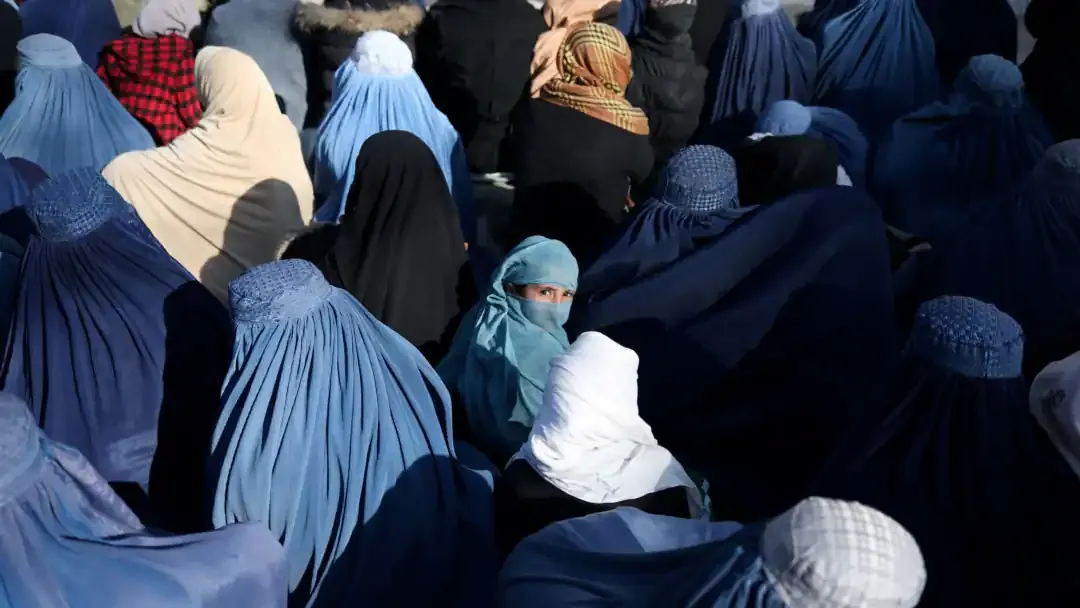
Some mosques do not permit women to enter at certain times or during particular services, especially in highly conservative settings. However, others actively welcome female participation and have designated accommodations for them.
Many worshippers enter the mosque with the intention to pray and may perform two short units of voluntary prayer known as Tahiyyatul Masjid—a way to honor the mosque upon entry. It's a personal act of reverence that signifies one's presence in the house of God.
Visitors should also be mindful of scheduled prayers, particularly the five daily prayers (Salat). During these times, all movement and conversation should cease as congregational worship begins.
If you’re new to the mosque or visiting, be polite but reserved.
-Greet quietly, usually with a nod or the phrase As-salamu alaykum (peace be upon you).
-Avoid physical contact with the opposite gender.
-Do not interrupt anyone praying, reciting the Quran, or reading.
If in doubt, most mosque caretakers or staff are more than willing to guide you—just wait for an appropriate moment to ask.
Unless explicitly allowed, photography is discouraged inside prayer areas. Flash, movement, or the mere act of taking pictures can be distracting. Some mosques may have signs regarding this policy.
Eating is not permitted within the prayer halls. Personal belongings such as bags should be kept neatly beside you and not in walkways. Cleanliness and order reflect internal spiritual discipline.
Read this related article. Source: Why Some Muslim Women Don’t Enter Mosques
Ultimately, the mosque is a place of serenity and sacred gathering. Whether entering for the first time or attending regularly, the goal is to honor the space, show humility, and contribute to the collective spirit of worship.
Understanding and observing mosque protocol is not just about rules—it's about sharing a space that represents submission to God and unity among believers.






0 comments