
Your Read is on the Way
Every Story Matters
Every Story Matters
The Hydropower Boom in Africa: A Green Energy Revolution Africa is tapping into its immense hydropower potential, ushering in an era of renewable energy. With monumental projects like Ethiopia’s Grand Ethiopian Renaissance Dam (GERD) and the Inga Dams in the Democratic Republic of Congo, the continent is gearing up to address its energy demands sustainably while driving economic growth.
Northern Kenya is a region rich in resources, cultural diversity, and strategic trade potential, yet it remains underutilized in the national development agenda.

Can AI Help cure HIV AIDS in 2025

Why Ruiru is Almost Dominating Thika in 2025

Mathare Exposed! Discover Mathare-Nairobi through an immersive ground and aerial Tour- HD

Bullet Bras Evolution || Where did Bullet Bras go to?
At its core, Pokémon—short for Pocket Monsters (ポケットモンスター, Poketto Monsutā)—are fictional creatures that humans, known as trainers, capture and train to battle each other for sport. Conceived by Satoshi Tajiri in the early '90s, the idea sprouted from his childhood hobby of collecting insects in rural Japan. Imagine turning a butterfly obsession into a billion-dollar global empire. That’s exactly what happened.
According to The Pokémon Company, there are now over 1,000 unique species, from the iconic Pikachu to the almighty Arceus, with no signs of slowing down. These creatures are cute, bizarre, powerful, and endlessly collectible—which explains why both kids and adults keep coming back for more.
Pokémon is more than just a game; it’s about adventure, friendship, and strategic battles. The primary goal? Catch them all and become the greatest Pokémon trainer of all time. Along the way, you build bonds with your Pokémon, defeat rival trainers, conquer challenges, and uncover deep lore that spans different regions, worlds, and dimensions.
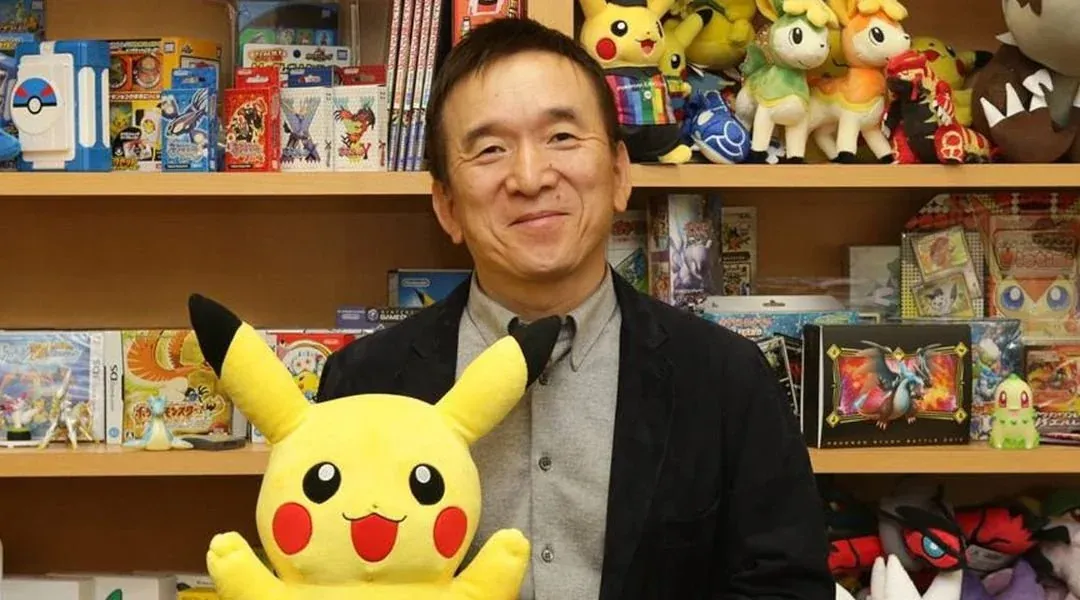
Pokémon CEO Tsunekazu Ishihara believes the magic lies in the franchise’s ability to connect people through shared experiences. Whether it’s trading creatures on the schoolyard or meeting up for a Pokémon GO raid in Times Square, Pokémon has become a social glue across generations.
The original games—Pokémon Red and Green (1996)—were straightforward: pick your starter, explore a pixelated world, defeat the Elite Four, and fill your Pokédex. But over time, the games have evolved into vast, open-world adventures, competitive esports platforms, and AR experiences that merge the digital with the real.
With the success of Pokémon GO, the franchise broke into the mainstream like never before. By blending augmented reality and real-world locations, Pokémon GO became more than a game—it was a movement. Strangers became friends, parks turned into battlefields, and even the most casual players found themselves hunting rare creatures at midnight.
If you’re after sheer power, Arceus often tops the charts. Dubbed the God of Pokémon, Arceus is said to have created the entire Pokémon universe. With stats that outclass nearly every other creature, it’s a force to be reckoned with in lore and gameplay.
But strength isn’t always about raw power. Competitively, creatures like Mewtwo, Rayquaza, and Zacian regularly dominate the battlefield due to their versatile moves and game-breaking abilities.

Pokémon’s story is surprisingly wholesome. Satoshi Tajiri created the concept to recapture the joy of nature in an increasingly urban Japan. He feared kids were losing their connection to the outdoors. Ironically, decades later, Pokémon GO did exactly that—bringing people back outside, albeit with their eyes glued to smartphones.
Since its founding, Pokémon has expanded into TV shows, movies, trading cards, toys, and even competitive championships that fill stadiums. The franchise’s secret sauce? Consistency with innovation. Every new game, anime series, or card set feels familiar but fresh, which keeps fans coming back and inviting new ones in.
While Pokémon now boasts over 18 different types, the original holy trinity remains iconic:
This simple rock-paper-scissors dynamic fuels the game’s strategy. Fire beats Grass, Grass beats Water, Water beats Fire. From the very first choice of Charmander, Bulbasaur, or Squirtle, players have been agonizing over which path to take—a small decision that defines your entire journey.
Here's the twist: Pokémon is no longer "just for kids." In fact, much of its player base is now in their 20s, 30s, and beyond. Many of us grew up watching Ash Ketchum chase his dream, and now we’re still catching Pokémon—just with better graphics and a deeper understanding of competitive stats.
People play Pokémon because it’s nostalgic, social, strategic, and—let’s be real—just plain fun. Whether you’re a collector of rare cards, a hardcore gamer, or someone who just wants to see if you can finally evolve that shiny Magikarp, Pokémon offers something for everyone.
With its private ownership model, The Pokémon Company isn’t beholden to shareholders screaming for profits every quarter. Instead, it reinvests into the brand, ensuring long-term creativity and stability. According to Ishihara, the goal is to keep Pokémon thriving for another 50 to 100 years, and frankly, they might pull it off.
Expect even more augmented reality, deeper integrations between the real and virtual worlds, and entirely new ways to experience Pokémon. The boundaries are only expanding. And with its ability to span generations, Pokémon isn’t just part of our childhoods—it’s likely part of our future, too.
Click here to read more about Pokémon. Also consider leaving a comment down under to let us know what you think about the article.





0 comments