
Your Read is on the Way
Every Story Matters
Every Story Matters
The Hydropower Boom in Africa: A Green Energy Revolution Africa is tapping into its immense hydropower potential, ushering in an era of renewable energy. With monumental projects like Ethiopia’s Grand Ethiopian Renaissance Dam (GERD) and the Inga Dams in the Democratic Republic of Congo, the continent is gearing up to address its energy demands sustainably while driving economic growth.
Northern Kenya is a region rich in resources, cultural diversity, and strategic trade potential, yet it remains underutilized in the national development agenda.

Can AI Help cure HIV AIDS in 2025

Why Ruiru is Almost Dominating Thika in 2025

Mathare Exposed! Discover Mathare-Nairobi through an immersive ground and aerial Tour- HD

Bullet Bras Evolution || Where did Bullet Bras go to?
Ramadan, observed during the ninth month of the Islamic lunar calendar, holds profound significance in the Islamic faith. It is a month devoted to spiritual purification, self-restraint, and heightened devotion to God. Derived from the Arabic root "ramida," meaning intense heat or dryness, the name reflects both the physical discipline of fasting and the spiritual "burning away" of sins through acts of worship.
For 1.9 billion Muslims globally (Pew Research Center), Ramadan is not merely a ritual but a transformative season of heightened consciousness, known as taqwa. Abstaining from food, drink, and sinful behavior during daylight hours is seen as a powerful tool to foster empathy, gratitude, and discipline. It is a practice designed to refine the soul, elevate the spirit, and connect believers more deeply to God and the wider community.
Related link:
➤ Explore Islamic Practices and Beliefs
Ramadan traces its origin to 610 CE, when the first verses of the Qur’an were revealed to the Prophet Muhammad (peace be upon him) during the sacred night known as Laylat al-Qadr—the Night of Power. This night, described in the Qur’an (Surah Al-Qadr), is considered the holiest of the year, its blessings surpassing those of a thousand months.
For Muslims, this revelation marked the birth of a divine guidebook for ethical and spiritual living. Observing Ramadan each year serves as a living commemoration of that night, reminding believers to seek wisdom, mercy, and forgiveness. It's a time to pause from the chaos of modern life and reconnect with the divine message.
Related link: The History of Islamic Revelations
Fasting during Ramadan is one of the Five Pillars of Islam, standing alongside daily prayers, charity (Zakat), the declaration of faith (Shahada), and pilgrimage (Hajj). From dawn until sunset, Muslims abstain not only from food and drink but also from harmful speech, impure thoughts, and negative behaviors.
The aim is to cultivate self-restraint, gratitude, and empathy—particularly for those who face hunger and hardship every day. Fasting teaches patience and humility, while the communal breaking of the fast at sunset, known as Iftar, reinforces bonds within families and communities.
Spiritual practices during Ramadan include:
Related link: Benefits of Fasting in Islam
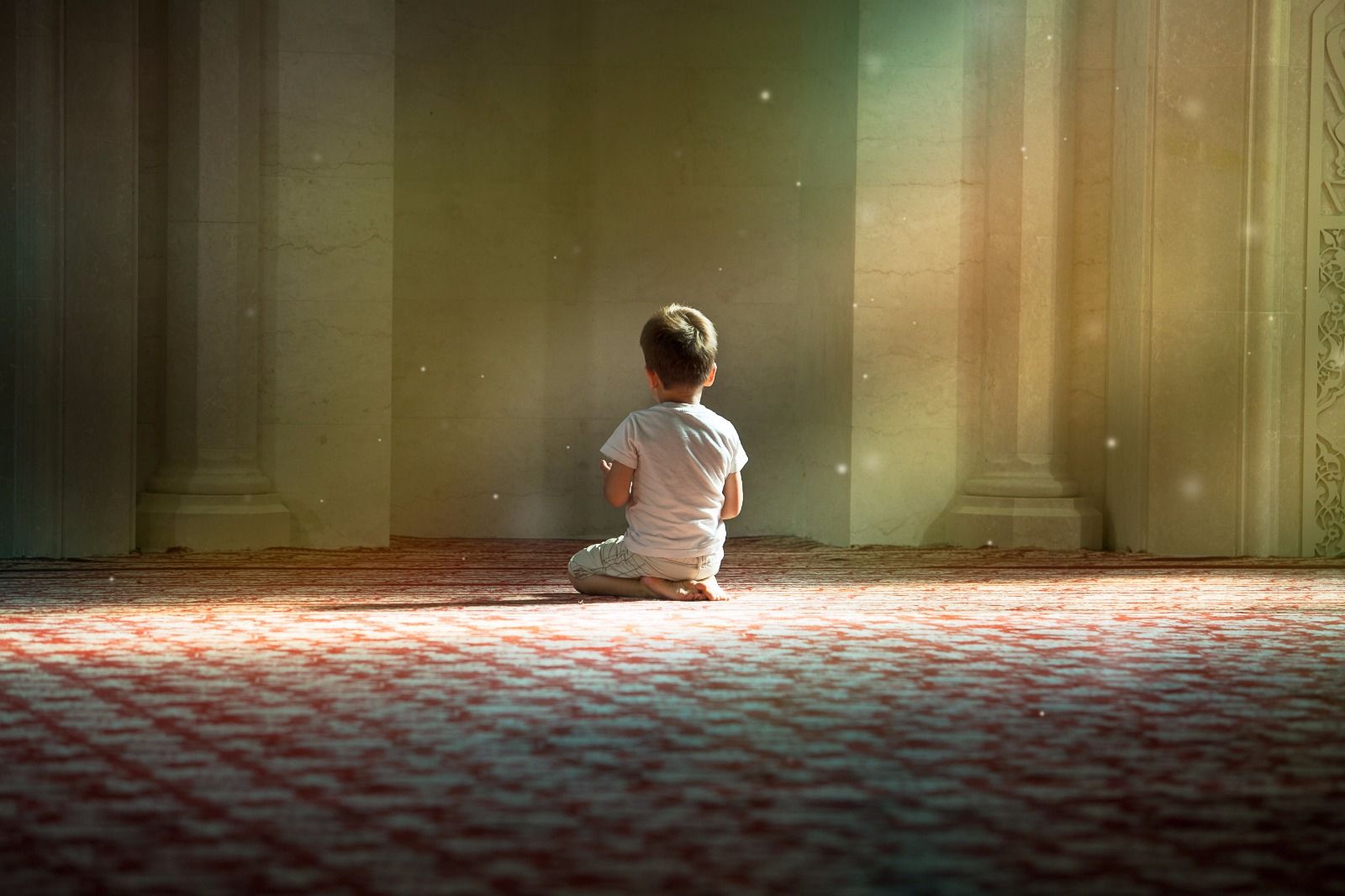
Ramadan is not only about refraining from physical nourishment; it's also about refining social and personal conduct. Many common questions arise regarding daily interactions, and clarity is vital for maintaining the sanctity of the fast:
Kissing during Ramadan: Affection between married couples is permissible but should be moderate. Intimate relations are prohibited during fasting hours but allowed after sunset until dawn.
Licking lips: This is entirely acceptable when lips are dry, provided no deliberate swallowing of saliva or external substances occurs.
Saying "I love you": Words of affection are always permissible. Expressing love and kindness aligns with the spirit of Ramadan, which encourages gentleness and goodwill.
These guidelines ensure that even within daily relationships, mindfulness prevails, ensuring that Ramadan remains a time of spiritual elevation, not distraction.
The variations "Ramadan" and "Ramadhan" stem from different transliterations of the Arabic word رمضان. While "Ramadan" is the most widely accepted spelling in English-speaking contexts, "Ramadhan" remains common in Southeast Asian countries like Malaysia and Indonesia.
Regardless of spelling, the meaning, practices, and reverence for the month are universally shared across cultures, languages, and traditions.
As Ramadan 2025 approaches, it's important to reflect on how this sacred period continues to unite the global Muslim population, which is expected to exceed 2.2 billion by 2030 (Pew Research Center). In an increasingly digital world, Ramadan has transcended borders, allowing believers to engage in global charity campaigns, virtual religious lectures, and communal online prayers.
Yet, despite these modern adaptations, the heart of Ramadan remains untouched: sincere worship, compassion for others, and a return to simplicity. Whether breaking the fast in a bustling urban setting or a quiet rural village, the essence of Ramadan lies in unity, reflection, and renewal.
Ramadan's significance grows each year as more communities share their unique traditions and reflections. Now, we invite you to share yours.
Leave a comment below and help us create a space for shared knowledge, inspiration, and understanding. Let’s build a community that reflects the generosity and unity Ramadan stands for.





0 comments