
Your Read is on the Way
Every Story Matters
Every Story Matters
The Hydropower Boom in Africa: A Green Energy Revolution Africa is tapping into its immense hydropower potential, ushering in an era of renewable energy. With monumental projects like Ethiopia’s Grand Ethiopian Renaissance Dam (GERD) and the Inga Dams in the Democratic Republic of Congo, the continent is gearing up to address its energy demands sustainably while driving economic growth.
Northern Kenya is a region rich in resources, cultural diversity, and strategic trade potential, yet it remains underutilized in the national development agenda.
Can AI Help cure HIV AIDS in 2025

Why Ruiru is Almost Dominating Thika in 2025

Mathare Exposed! Discover Mathare-Nairobi through an immersive ground and aerial Tour- HD

Bullet Bras Evolution || Where did Bullet Bras go to?
William Ruto’s Fait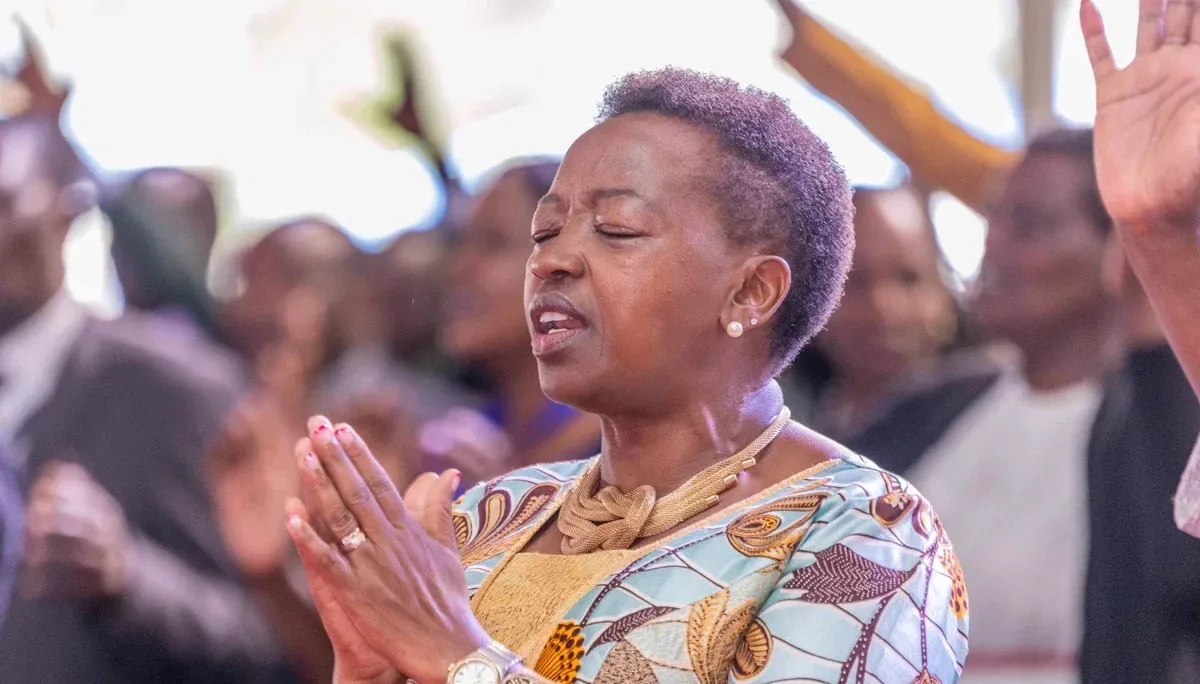 h Under the Microscope: A President Between Conviction and Calculation
William Ruto, Kenya’s fifth president, is a political figure whose identity is deeply intertwined with religious expression. Frequently described as a devout Christian, Ruto is often seen leading national prayer days, quoting scripture during speeches, and aligning himself closely with evangelical leaders. His spiritual positioning has earned him admiration from millions of Kenyans—but also scrutiny over the sincerity and consistency of his beliefs.
From his early political rise to his current presidency, Ruto has cultivated an image of strong religious grounding. He publicly credits prayer and divine intervention for his political victories and often reinforces Christian values in his messaging. His wife, First Lady Rachel Ruto, is equally vocal about her faith. She is the biological mother of seven children and a prominent spiritual leader in her own right, frequently organizing women’s prayer gatherings and speaking at Christian forums.
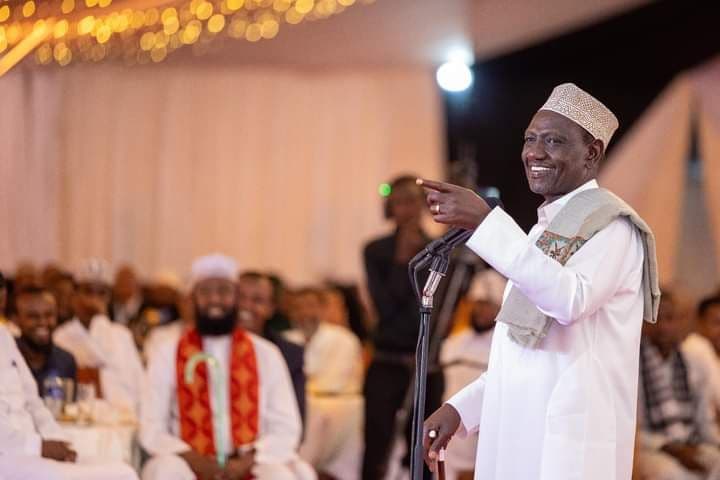
However, while the president’s Christian identity is clear, his engagement with other faiths has generated both praise and suspicion. Ruto regularly attends Islamic events, joins Muslim leaders for Iftar during Ramadan, participates in Hindu festivals, and appears at Sikh religious ceremonies. In a nation as religiously diverse as Kenya—with Christianity as the majority faith but no official state religion—such interfaith engagement can be seen as inclusive leadership. Yet critics argue that his religious pluralism is not driven by genuine interfaith respect, but rather by strategic political maneuvering.
Also Read: How Kenya's President Turns Scandal into Scripture and Political Survival into a Holy Mission
Ruto’s Academic and Political Credentials
Beyond religion, Ruto also emphasizes education and intellectual achievement as part of his public identity. He holds a PhD in Plant Ecology, a degree he earned after a prolonged academic journey that included interruptions due to his political obligations. This credential is often cited to portray him as a thoughtful, capable leader—a man of both faith and knowledge.
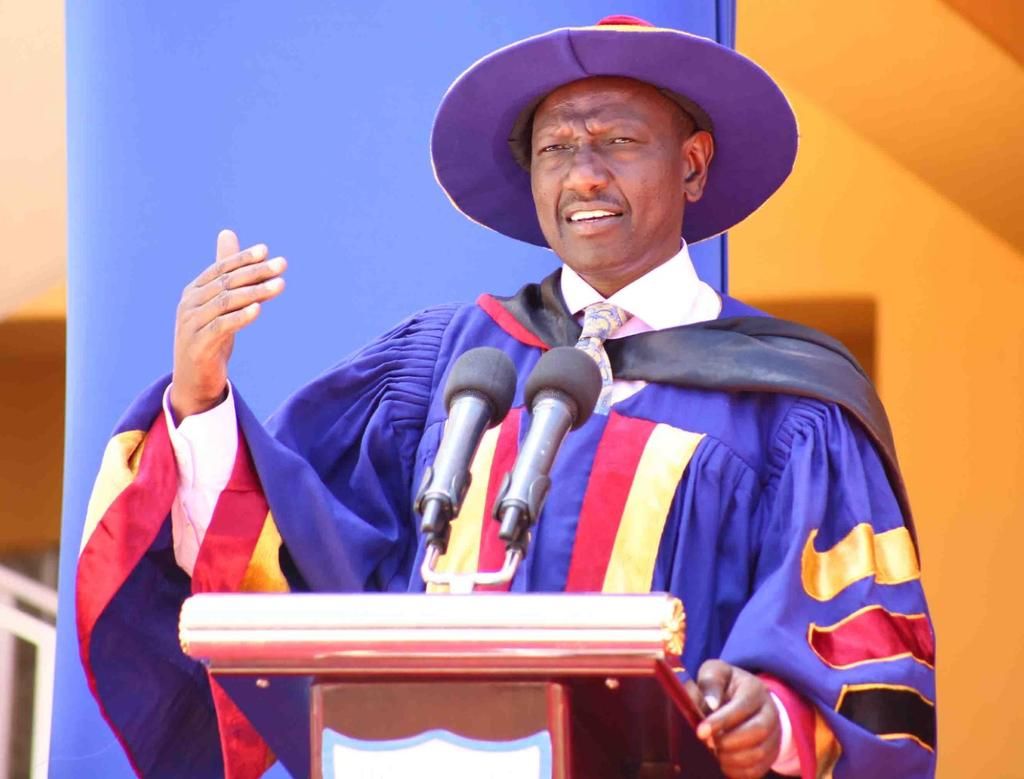
He assumed office in 2022 and is currently three years into his first presidential term. His administration has been marked by both continuity and change, but religion has remained a central pillar of his governance style.
The Blurred Line Between Church and State
Concerns about the intersection of religion and governance have grown during Ruto’s presidency. Evangelical pastors who supported his campaign have been granted notable access to government spaces and platforms. Public prayer meetings, religious language in official communications, and faith-driven rhetoric around national challenges have led to fears that the church is gaining undue influence over state affairs.
Civil society groups, secular organizations, and religious minorities have voiced concern about this growing entanglement. They argue that Kenya’s secular foundations are being undermined by a presidency that increasingly invokes divine authority in public policy decisions. The fear is not just symbolic—it reflects a broader anxiety about potential exclusion and marginalization of those outside the president’s favored religious circles.
Public Reaction and Political Calculus
Despite these concerns, Ruto continues to enjoy strong support among religious voters, particularly in rural and conservative regions. His emphasis on prayer, morality, and traditional values aligns well with the beliefs of a significant portion of Kenya’s population. For many, his participation in Muslim, Hindu, and Sikh ceremonies is not a contradiction but a display of national unity and respect for diversity.
Also Read: Rachel Ruto’s Signature Style
However, the growing divide between urban and rural Kenya—especially among younger generations—has led to increasing skepticism about the role of religion in governance. For some, Ruto’s faith appears authentic; for others, it is an elaborate performance designed to solidify a loyal, faith-driven base while appealing broadly across ethnic and religious lines.
A Presidency Defined by Religious Identity
President William Ruto’s religious persona is one of the most distinctive aspects of his leadership. Whether seen as a sincere believer or a shrewd strategist, his approach reflects the realities of governing a deeply religious and diverse nation. His religious alignment may be rooted in personal conviction, but its political utility cannot be ignored.
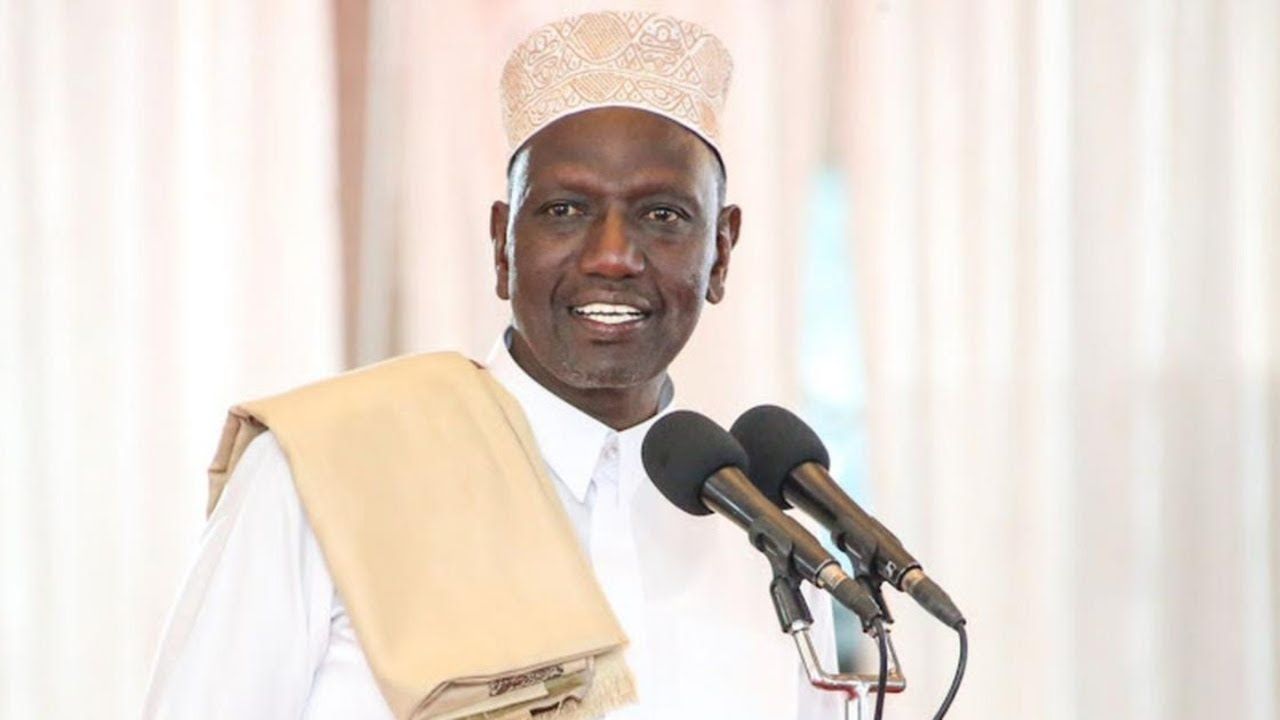
In a country where religion continues to shape public life, identity, and leadership, Ruto’s spiritual narrative is both a unifying force and a source of national debate. As his presidency unfolds, the country will continue to grapple with one critical question: is William Ruto’s faith a guiding principle—or a governing tactic?
Thanks for Reading. Please leave a comment below and let us know what you think about this story.




0 comments