
Your Read is on the Way
Every Story Matters
Every Story Matters
The Hydropower Boom in Africa: A Green Energy Revolution Africa is tapping into its immense hydropower potential, ushering in an era of renewable energy. With monumental projects like Ethiopia’s Grand Ethiopian Renaissance Dam (GERD) and the Inga Dams in the Democratic Republic of Congo, the continent is gearing up to address its energy demands sustainably while driving economic growth.
Northern Kenya is a region rich in resources, cultural diversity, and strategic trade potential, yet it remains underutilized in the national development agenda.

Can AI Help cure HIV AIDS in 2025

Why Ruiru is Almost Dominating Thika in 2025

Mathare Exposed! Discover Mathare-Nairobi through an immersive ground and aerial Tour- HD

Bullet Bras Evolution || Where did Bullet Bras go to?
A Bar Mitzvah for boys and a Bat Mitzvah for girls are significant religious milestones in Judaism, marking the transition from childhood to religious adulthood.
The term "Bar Mitzvah" means "son of the commandment," while "Bat Mitzvah" means "daughter of the commandment." Upon reaching the age of 13 for boys and 12 or 13 for girls (depending on the community), Jewish youths become responsible for observing the commandments and laws of the Torah. This ceremony symbolizes their new status as accountable members of the Jewish community.
The Bar or Bat Mitzvah ceremony is usually held in a synagogue and is centered around the young person’s first public reading from the Torah, the foundational text of Judaism. This reading is a momentous occasion, demonstrating that the child has reached a level of religious maturity.
The ceremony may also include leading prayers, delivering a speech (called a "D'var Torah"), and participating in other liturgical rituals. This religious service is often attended by family, friends, and community members who come to support and celebrate the young person’s achievements.
Following the synagogue ceremony, families typically host a celebration or reception, which can range from an intimate family gathering to a large festive event. These celebrations often feature traditional Jewish foods, music, dancing, and speeches that honor the Bar or Bat Mitzvah.
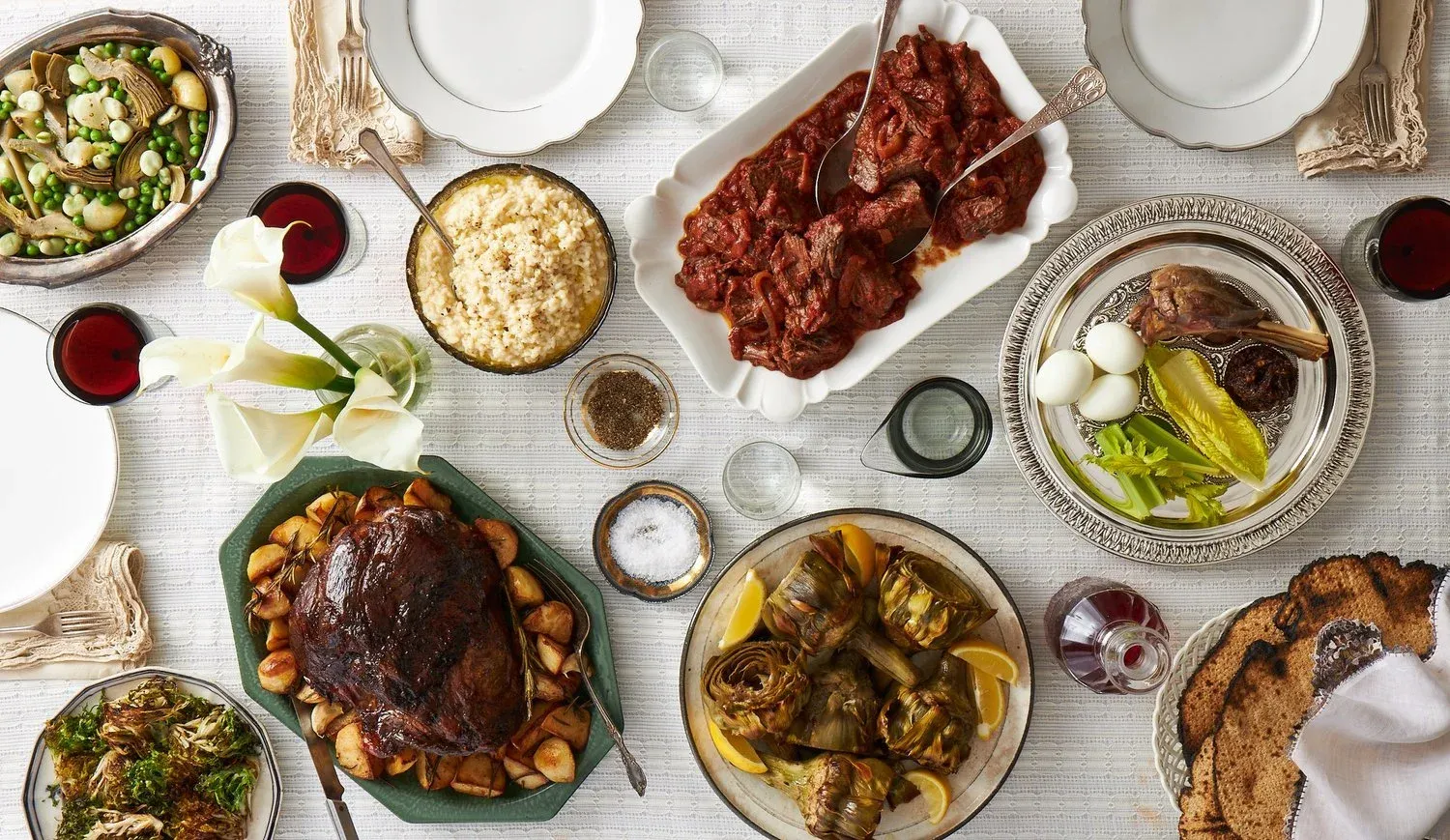
It is a time to recognize the hard work and dedication the young person has put into preparing for this important day, as well as to welcome them fully into the adult community of Jewish life. Gifts are traditionally given to the Bar or Bat Mitzvah, often with religious or educational significance, encouraging further growth and learning.
While the core elements of the Bar and Bat Mitzvah are widely observed, customs and practices can vary significantly among different Jewish denominations and cultures. Orthodox communities may have stricter gender distinctions, with boys celebrating at 13 and girls sometimes at 12 or 13, and ceremonies that adhere closely to traditional religious law.
Conservative, Reform, and other progressive communities may incorporate modern elements into the ceremony, such as mixed-gender participation and more inclusive rituals. Additionally, cultural backgrounds (Ashkenazi, Sephardi, Mizrahi, etc.) influence music, food, and specific ceremonial practices, making each celebration unique.
The Bar and Bat Mitzvah is more than a religious obligation; it is a profound rite of passage that connects Jewish youths to their heritage and community. It marks the moment when young people begin to take personal responsibility for their faith and ethical behavior.
Families view this occasion as a reaffirmation of Jewish identity and values, passing traditions from generation to generation. It also serves as an opportunity to strengthen communal bonds and celebrate the continuity of Jewish life and culture.





0 comments