
Your Read is on the Way
Every Story Matters
Every Story Matters
The Hydropower Boom in Africa: A Green Energy Revolution Africa is tapping into its immense hydropower potential, ushering in an era of renewable energy. With monumental projects like Ethiopia’s Grand Ethiopian Renaissance Dam (GERD) and the Inga Dams in the Democratic Republic of Congo, the continent is gearing up to address its energy demands sustainably while driving economic growth.
Northern Kenya is a region rich in resources, cultural diversity, and strategic trade potential, yet it remains underutilized in the national development agenda.

Can AI Help cure HIV AIDS in 2025

Why Ruiru is Almost Dominating Thika in 2025

Mathare Exposed! Discover Mathare-Nairobi through an immersive ground and aerial Tour- HD

Bullet Bras Evolution || Where did Bullet Bras go to?
Dr. Branice Munyasa, a well-known academic and advocate for women’s rights, is no stranger to public life. Known for her intellectual prowess and unyielding voice in her field, she has often been a source of inspiration to those who look up to her. However, it wasn’t her academic achievements or public speeches that captured the spotlight recently. Instead, it was a deeply personal tragedy that unfolded behind the closed doors of her own home.
The night began like any other, but quickly descended into a nightmare when Dr. Munyasa was physically assaulted by her partner. This was not the first time the violence had occurred, but this incident marked a significant escalation. In an emotional and poignant post shared on the social media platform X, Dr. Munyasa detailed the abuse, writing openly about her shock, fear, and the physical harm she endured. “He hit me. Again,” she wrote, followed by the heart-wrenching admission that this time, the violence had nearly cost her life.
The post sent ripples through social media, as users were left shocked and devastated by the revelation. Those who followed her for her work on gender equality and women’s rights struggled to reconcile the image of a powerful, intellectual figure with the reality of a woman trapped in an abusive relationship. The rawness of her message resonated deeply, with many expressing their support for her bravery in sharing such a painful truth.
The defining moment of Dr. Munyasa’s survival was not the act of violence itself, but the quick thinking and intervention of her sister. In the post, Dr. Munyasa explained that it was her sister who, sensing something was horribly wrong, barged into the room just in time to prevent further harm. The sister acted swiftly, pulling Dr. Munyasa away from her partner and ensuring she was safely removed from the dangerous situation. Without her sister’s timely intervention, the outcome of that night could have been much darker.
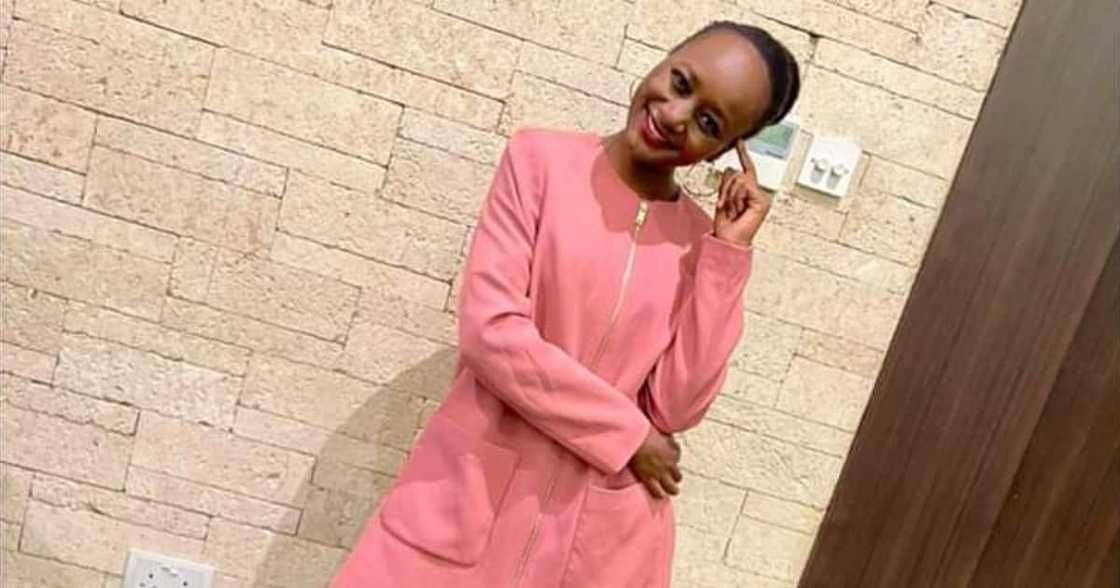
Dr. Munyasa’s sister, a hero in her own right, acted without hesitation, doing what was necessary to protect her sibling. The fact that Dr. Munyasa was able to post her story online and speak out so publicly is a testament to the courage of her sister, who ensured she was not alone in the darkest moment of her life.
As Dr. Munyasa’s post gained traction, a wave of support flooded in. Many people from various walks of life—activists, colleagues, and strangers—expressed solidarity with her, echoing sentiments of outrage and disbelief. Hashtags like #JusticeForBranice trended for hours as online communities rallied behind the academic. Survivors of domestic violence shared their stories, creating a powerful network of people who had endured similar experiences. The outpouring of support spoke volumes about the collective understanding that abuse can affect anyone, regardless of their stature, profession, or reputation.
Dr. Munyasa’s revelation has ignited a larger conversation about the nature of domestic abuse, particularly the reality that even those who seem invulnerable—like high-achieving professionals and public figures—are not immune to its grip. Her story challenges the misconception that victims of domestic violence fit a particular mold and highlights how this issue transcends social, economic, and cultural boundaries. In the wake of her post, many have called for stronger protections for individuals in abusive relationships and for more public dialogue surrounding the complexities of leaving such situations.
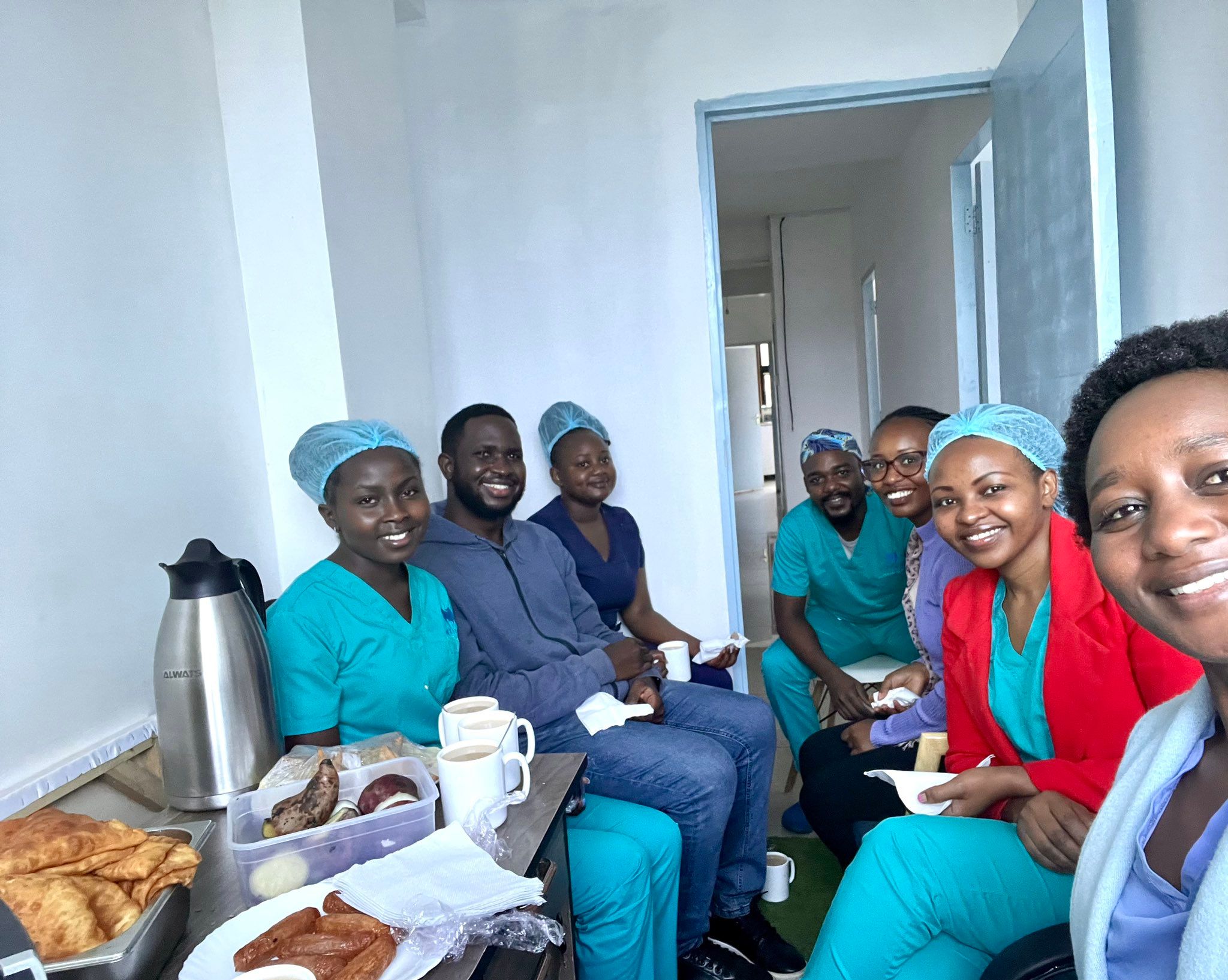
In her post, Dr. Munyasa spoke not only about the assault itself but also about the emotional toll of living in an abusive relationship. She admitted that, despite her education and professional success, she had never anticipated finding herself in such a situation. “I used to think I was too smart to end up in a situation like this,” she wrote. “But abuse doesn’t care how smart, educated, or independent you are. It just finds you. And sometimes, it stays silent until you’re bleeding.” Her words struck a chord, illustrating the painful reality that abuse can be hidden, even from those closest to the victim. It shows how easily manipulation and control can take root in a relationship, making it difficult for the victim to recognize the danger until it becomes too late.
Her honesty about feeling vulnerable in such a powerful position reminds everyone that abuse is not just a matter of physical violence—it is also about control, manipulation, and fear. Even those with the tools to fight back, like Dr. Munyasa, can find themselves struggling in silence for far too long.
As Dr. Munyasa begins the process of healing, sources close to her have confirmed that she is receiving the support of her family and friends. The legal process is reportedly underway, with plans for formal action against the abuser. While the road ahead will undoubtedly be challenging, Dr. Munyasa’s bravery in speaking out will likely inspire others to find the strength to come forward with their own stories.
For Dr. Munyasa, this experience is not just about personal recovery—it is about reclaiming her voice and fighting for the justice she deserves. Her post is more than a cry for help; it is a call to action for others who may be suffering in silence. By sharing her story, she is proving that no one, no matter their status, should have to endure abuse alone.





0 comments