
Your Read is on the Way
Every Story Matters
Every Story Matters
The Hydropower Boom in Africa: A Green Energy Revolution Africa is tapping into its immense hydropower potential, ushering in an era of renewable energy. With monumental projects like Ethiopia’s Grand Ethiopian Renaissance Dam (GERD) and the Inga Dams in the Democratic Republic of Congo, the continent is gearing up to address its energy demands sustainably while driving economic growth.
Northern Kenya is a region rich in resources, cultural diversity, and strategic trade potential, yet it remains underutilized in the national development agenda.

Can AI Help cure HIV AIDS in 2025

Why Ruiru is Almost Dominating Thika in 2025

Mathare Exposed! Discover Mathare-Nairobi through an immersive ground and aerial Tour- HD

Bullet Bras Evolution || Where did Bullet Bras go to?
From viral collaborations to romantic declarations, Arrow Bwoy and Nadia Mukami have long been viewed as Kenya’s “power couple.” Their chemistry—both onstage and off—has charmed audiences, while their real-life journey, complete with parenthood and career successes, has captivated fans across the continent. But like many relationships forged under the heat of fame, theirs isn’t without friction.
Though deeply in love and raising a child together, the two artists are now being confronted with a future that might take them down separate paths. At the center of this reckoning is a controversial but culturally rooted question: Should Arrow Bwoy take a second wife if his partner Nadia doesn’t want more children?
In an interview that sparked widespread reaction, Arrow Bwoy—real name Ali Yusuf—stated that while he deeply respects Nadia, he also dreams of expanding his family. Ideally, he wants at least four children. But Nadia isn’t on the same page, and Arrow Bwoy admitted that if she chooses not to have more children, he may consider a second wife.
Here’s where it gets nuanced: he’s not demanding, pressuring, or planning it in secret. Instead, he clarified that he would only pursue such a step with Nadia’s explicit approval.
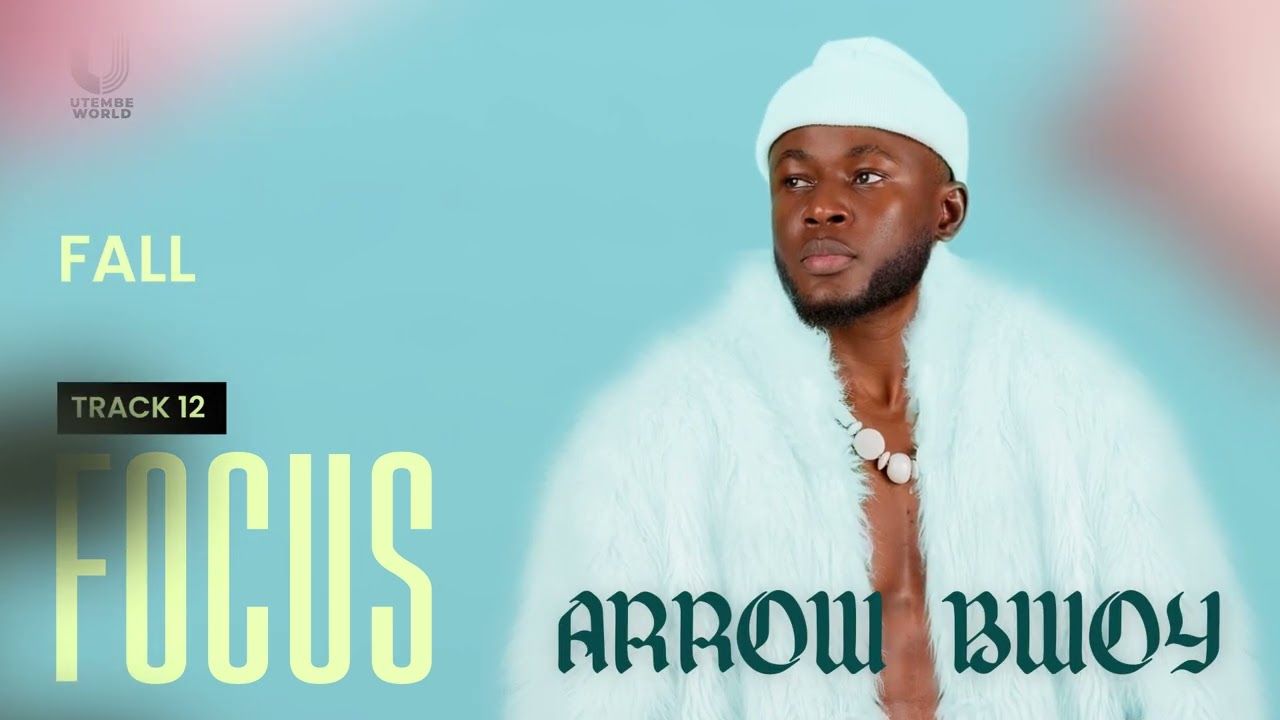
In his words, “It’s not about betraying her—it’s about aligning my life with my beliefs and vision for the future.” That belief system includes his Muslim upbringing, where polygamy is permissible under specific religious and ethical guidelines.
His transparency has struck a chord—some admire his forthrightness, others worry about the emotional toll such an arrangement could bring.
Nadia Mukami, a powerhouse in her own right, has been equally clear in her response. According to her, no formal union exists yet between her and Arrow Bwoy—not until the traditional dowry rites, or “ruracio,” are fulfilled.
In Kikuyu culture, dowry is not just symbolic—it signifies honor, validation, and binding commitment between two families. Without it, Nadia argues, she is not formally married and thus cannot be expected to conform to marital obligations, including shared decision-making about expanding their family.
She has emphasized her focus on rebuilding herself after motherhood and redirecting her energy into her flourishing music career. She’s not ready to be pressured into another pregnancy, and the thought of her partner taking on another wife—even respectfully—doesn't sit well with her current state of mind.
Her stance represents a wave of modern Kenyan women who are choosing autonomy over expectation and career over conformity.

What makes this story so compelling isn’t just the celebrity element—it’s what it represents. In many African communities, especially where polygamy is legal and sometimes encouraged, a man expanding his family through multiple wives isn’t unusual. But modernity, education, urban living, and changing gender roles have challenged that model.
In Nadia and Arrow Bwoy, we see the embodiment of this cultural clash: a man rooted in his traditional and religious identity, and a woman redefining what partnership means in an age of self-empowerment.
Even within Muslim communities where polygamy is sanctioned, many young couples today are pushing back, favoring monogamy or choosing alternative family structures. The couple’s story is forcing a national conversation on how culture can evolve without losing its identity.
Kenyan social media is ablaze. Some fans stand firmly behind Arrow Bwoy, applauding his honesty and connection to his roots. Others rally behind Nadia, hailing her strength in standing her ground and defending personal agency.
Then there’s a third group—those urging the couple to find a compromise that honors both their dreams. Some say Nadia could consider freezing her eggs, delaying decisions while pursuing her career. Others urge Arrow Bwoy to evaluate whether polygamy, even with permission, is worth the emotional strain it may cause.

A few voices, more radical, argue that love is not a negotiation table—it’s either aligned or it’s not. And if their visions differ too widely, it may be time to walk separate paths.
What lies ahead for Arrow Bwoy and Nadia Mukami? Neither has hinted at a breakup, but the tension is evident. As of now, they remain together—connected by love, fame, and their child. But they also stand at a fork in the road where values and visions no longer fully align.
Will Arrow Bwoy compromise on his desire for more children? Will Nadia revisit her stance on family expansion? Or will they redefine their relationship altogether?
One thing is certain: whatever direction they take, they’ve already opened up space for a much-needed conversation in East Africa about what it means to love, commit, and grow—in your own way.





0 comments