
Your Read is on the Way
Every Story Matters
Every Story Matters
The Hydropower Boom in Africa: A Green Energy Revolution Africa is tapping into its immense hydropower potential, ushering in an era of renewable energy. With monumental projects like Ethiopia’s Grand Ethiopian Renaissance Dam (GERD) and the Inga Dams in the Democratic Republic of Congo, the continent is gearing up to address its energy demands sustainably while driving economic growth.
Northern Kenya is a region rich in resources, cultural diversity, and strategic trade potential, yet it remains underutilized in the national development agenda.

Can AI Help cure HIV AIDS in 2025

Why Ruiru is Almost Dominating Thika in 2025

Mathare Exposed! Discover Mathare-Nairobi through an immersive ground and aerial Tour- HD

Bullet Bras Evolution || Where did Bullet Bras go to?
On the morning of March 13, 2025, Gilbert Thuo Kimani, like thousands of other Nairobians, boarded a matatu operated by the well-known Super Metro Sacco. He was on his usual commute along Thika Road, a route he had taken countless times before. However, what should have been a routine journey turned into a nightmare that ended in tragedy.
According to witnesses, Kimani and the matatu conductor got into a heated dispute over a mere Ksh30 fare deficit. Some passengers recounted that Kimani, who had already boarded the vehicle, realized he was short on fare and tried to explain his situation to the conductor. What followed was an alarming escalation that no one could have predicted.
Eyewitnesses claim that the conductor became increasingly aggressive, berating Kimani and demanding he alight from the vehicle. As tensions rose, the argument took a violent turn. In a shocking act of recklessness, the conductor allegedly pushed Kimani out of the moving vehicle near the Githurai 45 area, sending him crashing onto the unforgiving tarmac. The impact proved fatal, and Kimani succumbed to his injuries on the spot.
The incident sent shockwaves throughout the city. In a society where matatus are an everyday necessity, the idea that a simple disagreement over fare could lead to such a tragic outcome was deeply unsettling. Videos and photos of the aftermath quickly surfaced on social media, fueling public outrage and calls for immediate action.
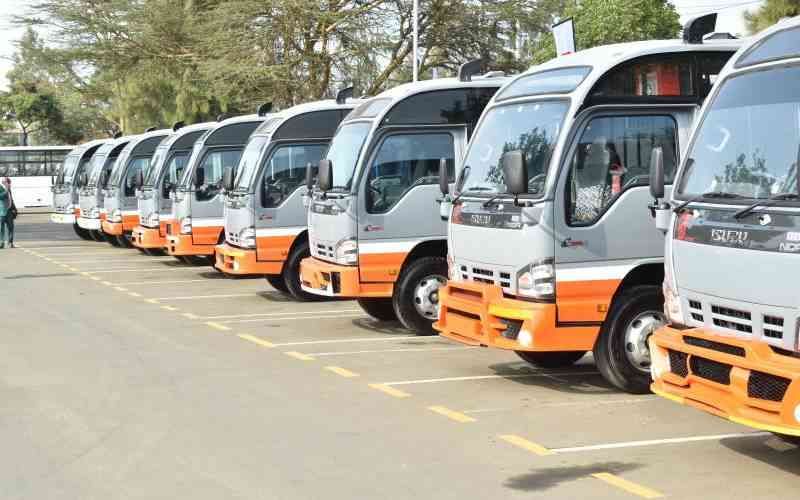
Authorities acted swiftly in response to the growing pressure. The matatu driver was arrested in Ruiru, Kiambu County, while law enforcement officials launched an investigation to determine the exact circumstances that led to Kimani’s death. The conductor, believed to have been directly responsible for the fatal act, went into hiding but was later apprehended following a manhunt.
Super Metro, a matatu Sacco generally regarded for its discipline compared to others in the industry, found itself in an unprecedented crisis. The management quickly released a statement condemning the incident and vowed full cooperation with the authorities to ensure justice for Kimani’s family. They emphasized that the actions of one rogue conductor did not represent the ethos of the company but assured the public that they would implement stricter measures to prevent similar occurrences in the future.
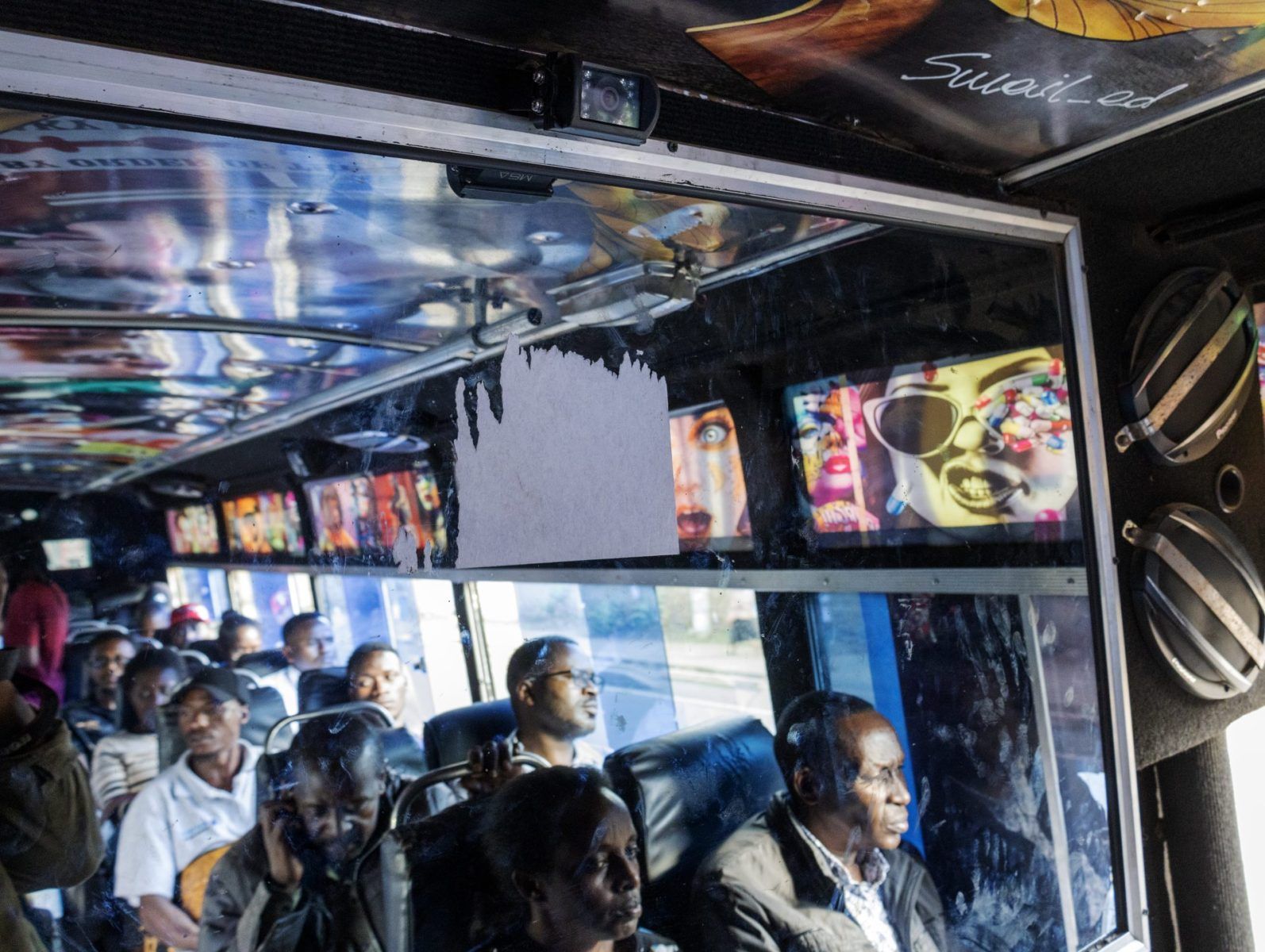
The tragedy reignited debates about passenger safety in Kenya’s public transport sector. While Nairobi’s matatu culture is often celebrated for its vibrancy—embodied in creatively decorated vehicles, blaring music, and fast-paced operations—there is also a dark side to this industry. Many Kenyans have, at some point, experienced intimidation, harassment, or even physical violence at the hands of unruly matatu crews.
This is not the first time such an incident has occurred. Over the years, there have been multiple reports of passengers being assaulted, ejected, or even run over by matatus due to disputes over fare or disagreements with conductors. However, only a handful of cases ever make it to court, and even fewer result in convictions. The informal nature of the industry, coupled with corruption and lack of stringent enforcement of laws, has allowed such injustices to persist.
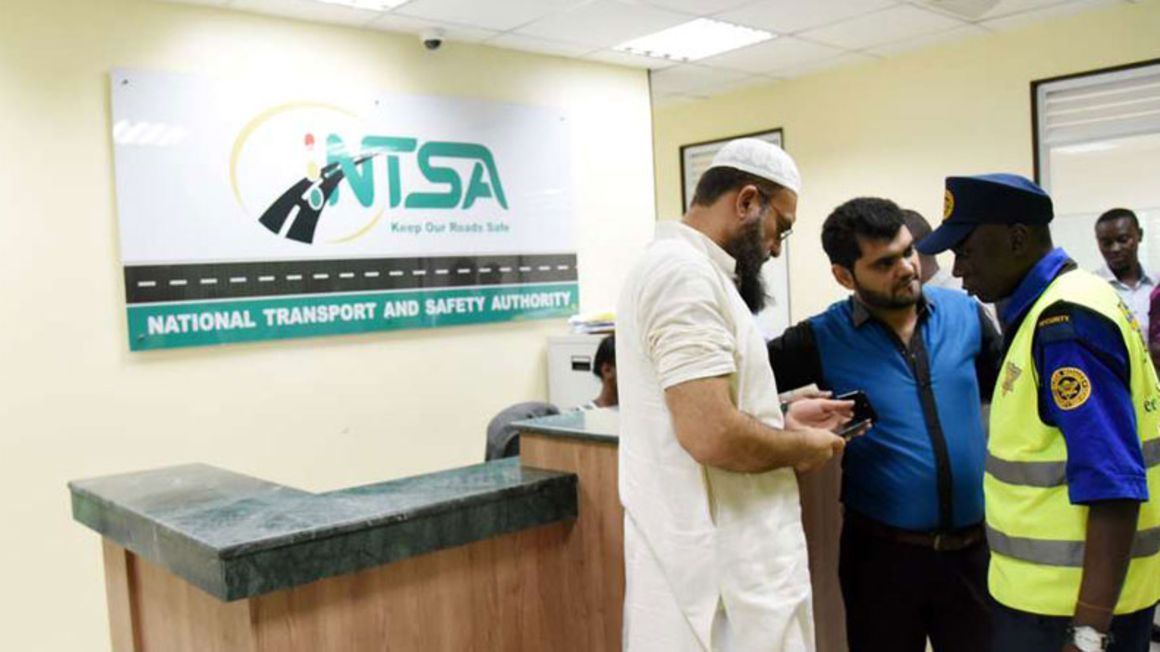
Following Kimani’s death, legal experts, activists, and public transport stakeholders called for immediate reforms. The High Court, in a previous case, had ruled against Super Metro and ordered them to compensate a passenger who was violently ejected from one of their vehicles. This ruling set a precedent that could have implications for Kimani’s case. If found guilty, the Sacco could face hefty fines and possible revocation of operational licenses for some of its vehicles.
The Transport Licensing Board (TLB) and the National Transport and Safety Authority (NTSA) faced renewed scrutiny as well. Critics argued that their failure to regulate the conduct of matatu crews effectively had contributed to a culture of impunity within the industry. Calls for better training, stricter penalties for misconduct, and improved passenger protection measures grew louder in the aftermath of the tragedy.
Beyond the legal battles and policy discussions, Kimani’s family was left to mourn an irreplaceable loss. He was a young man with dreams, ambitions, and responsibilities. To his loved ones, he was more than just another statistic in Kenya’s long list of road fatalities—he was a brother, a son, and a friend whose life was cut short over an inconsequential fare dispute.
His family, supported by human rights organizations, vowed to pursue justice relentlessly. They demanded not just accountability from the individuals directly involved but systemic reforms to ensure no other family would have to endure the same pain.
While the arrests of the driver and conductor brought some measure of accountability, the broader issues within the matatu industry remain unresolved. Kenya’s public transport system is in dire need of an overhaul—one that prioritizes passenger safety, enforces strict disciplinary measures on errant crews, and holds transport companies accountable for the actions of their employees.
Passenger advocacy groups have proposed several reforms, including:
Gilbert Thuo Kimani’s death was a tragic and unnecessary loss that exposed the urgent need for reform within Kenya’s public transport sector. His story serves as a stark reminder of the dangers passengers face daily and the need for immediate action to prevent such incidents in the future.
As the legal process unfolds, the public remains watchful, hoping that justice will be served—not just for Kimani but for all passengers who have suffered at the hands of reckless and violent matatu crews. Until meaningful changes are implemented, every Nairobi commuter remains vulnerable to the very system they rely on to get them safely from one place to another.





0 comments