
Your Read is on the Way
Every Story Matters
Every Story Matters
The Hydropower Boom in Africa: A Green Energy Revolution Africa is tapping into its immense hydropower potential, ushering in an era of renewable energy. With monumental projects like Ethiopia’s Grand Ethiopian Renaissance Dam (GERD) and the Inga Dams in the Democratic Republic of Congo, the continent is gearing up to address its energy demands sustainably while driving economic growth.
Northern Kenya is a region rich in resources, cultural diversity, and strategic trade potential, yet it remains underutilized in the national development agenda.

Can AI Help cure HIV AIDS in 2025

Why Ruiru is Almost Dominating Thika in 2025

Mathare Exposed! Discover Mathare-Nairobi through an immersive ground and aerial Tour- HD

Bullet Bras Evolution || Where did Bullet Bras go to?
A wave of terror has swept through Mombasa, driven by a ruthless gang known as the Panga Boys. With machetes in hand and fear as their weapon, they have ruled the streets—until now. A recent crackdown has led to the arrest and detention of 33 suspected members, signaling a turning point in the fight against organized crime. While the arrests bring hope for a safer city, the deep-rooted issues behind the rise of such gangs remain. Authorities face the challenge of dismantling the gang’s structure while addressing the social and economic conditions that foster criminal networks. This recent operation may have struck a major blow against the Panga Boys, but the fight to restore lasting peace in Mombasa is far from over.
The Panga Boys emerged from Mombasa’s sprawling neighborhoods, recruiting youths desperate for power and identity. Their name stems from the machetes—or pangas—they carry, using them to intimidate and attack unsuspecting victims. Operating in areas like Kisauni, Likoni, and Nyali, the gang quickly became notorious for violent robberies, assaults, and even fatal attacks. Over time, their influence grew, and they expanded their grip across several suburbs, exploiting gaps in law enforcement and community vulnerabilities.
What sets this group apart is the age of its members. Many recruits are teenagers, some as young as 13, lured by promises of fast cash and a sense of belonging. For many of these youths, the gang represents an escape from poverty and a pathway to status and power in an environment where opportunities are scarce. With limited access to education and employment, joining the Panga Boys becomes an attractive—if dangerous—option. As their numbers grew, so did their brutality, leaving communities living in fear of random, unprovoked violence. Victims have reported being ambushed while walking home, their belongings stolen, and in some cases, sustaining life-threatening injuries. This pattern of indiscriminate violence has fostered a climate of fear where even basic tasks, like shopping or visiting relatives, are viewed as risky undertakings.
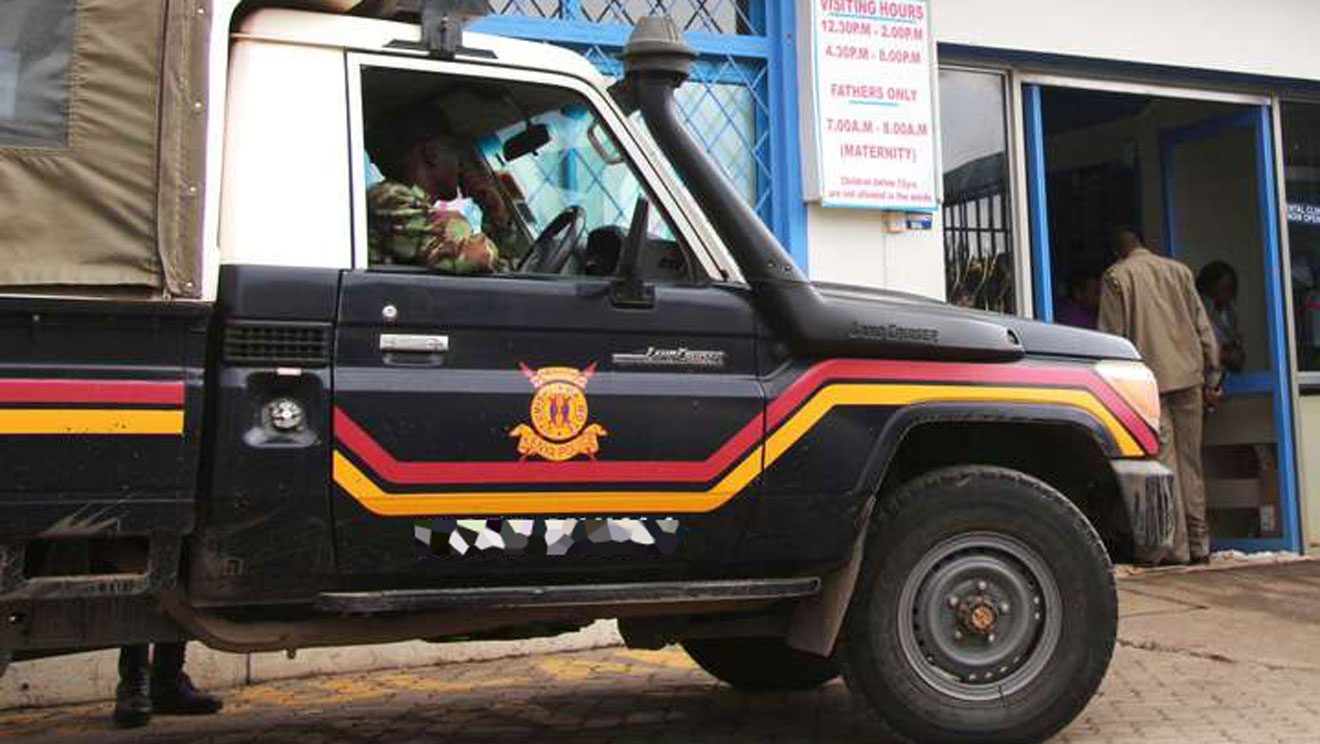
In response to rising insecurity, law enforcement launched a coordinated operation targeting the Panga Boys and similar criminal groups. Recent incidents—including bold, daylight attacks—pushed authorities to act swiftly. These coordinated raids spanned across key neighborhoods, resulting in the arrest of 33 suspects believed to be deeply involved in the gang’s activities. Officers conducted extensive surveillance, using intelligence gathered from community members to identify gang hideouts and operational zones.
The suspects were found in possession of weapons and drugs, reinforcing fears that the gang’s operations extended beyond street crime to organized trafficking networks. Authorities have confirmed that those detained will remain in custody for 14 days as investigations continue. This temporary detention period allows investigators to gather more evidence and piece together the gang’s internal structure, which is believed to be more sophisticated than previously thought. Officials are also probing links between the Panga Boys and other organized crime syndicates operating in the region, suggesting that the gang’s activities may be part of a larger criminal web.
The crackdown is part of a broader effort to disrupt criminal enterprises and restore public safety. This operation follows months of rising public outcry, as residents and business owners grew increasingly frustrated with the gang’s reign of terror. Local authorities are also exploring legal reforms to impose harsher penalties on gang-related crimes and to fast-track the prosecution process for those arrested. Despite the initial success of the operation, law enforcement acknowledges that sustained efforts will be needed to prevent the gang from regrouping or new groups from emerging.

For Mombasa residents, the arrests offer a glimmer of relief—but fear still lingers. The gang’s unpredictable nature has made even simple daily routines feel dangerous. Many locals describe living under a constant cloud of anxiety, where venturing out after dark feels like a gamble. Families are forced to adjust their lives, limiting outdoor activities and maintaining vigilance even in daylight hours. Stories of innocent individuals being targeted have become all too common, and many worry that the recent crackdown, while significant, is only a temporary reprieve.
Community leaders have voiced both relief and concern. While the arrests mark progress, there is widespread fear that other gang members remain at large. Some worry that cracking down on gangs without addressing root causes—like poverty and unemployment—will only lead to new groups emerging. The socio-economic realities of many young people in Mombasa make them vulnerable to gang recruitment. Without viable alternatives for employment or education, there is a high risk that others will step in to fill the power vacuum left by the detained gang members.
There is also concern about potential retaliation. In the past, gangs have responded to police crackdowns with increased violence, targeting not only law enforcement but also informants within the community. This fear of retribution has made many residents hesitant to speak out, despite the ongoing efforts to dismantle criminal networks. Unless authorities can maintain consistent pressure on these gangs while providing alternative paths for at-risk youth, many fear that the Panga Boys—or a successor group—will rise again.
A significant concern lies in the age of those arrested. Many suspects are minors, raising complex legal and ethical questions. Prosecuting and detaining young offenders may disrupt gang activities temporarily, but long-term solutions require addressing why these youths are drawn to crime in the first place. The justice system faces the difficult task of balancing punishment with rehabilitation, as simply incarcerating young offenders without addressing underlying issues may only deepen the cycle of crime.
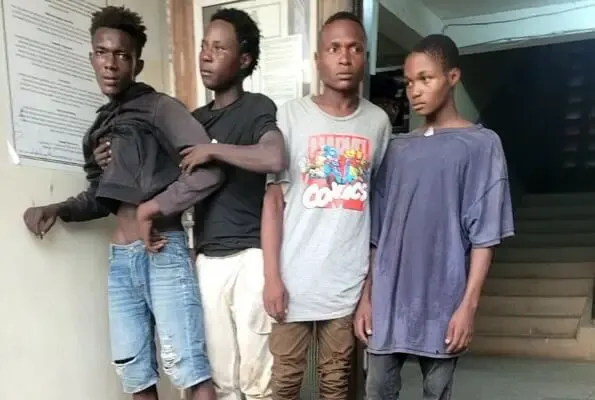
The involvement of minors points to deeper social problems, including lack of access to education, unemployment, and breakdowns in family structures. Many youths who join gangs come from marginalized communities where basic services are limited. Experts warn that without comprehensive social programs aimed at rehabilitation and reintegration, the criminal justice system will struggle to break the cycle of youth involvement in crime. Initiatives providing vocational training, mentorship, and mental health support are being proposed as part of a broader strategy to combat gang recruitment.
Local advocacy groups have also called for the establishment of community centers where at-risk youth can engage in productive activities and access professional counseling. Such measures, combined with continued police action, are viewed as essential to addressing the root causes of gang violence and preventing future generations from following the same path.
The detention of these 33 suspects is just the beginning of a broader effort to dismantle criminal networks in Mombasa. Authorities have vowed to intensify their crackdown, but whether these actions will bring lasting peace remains uncertain. For long-term success, a two-pronged approach is needed—vigorous law enforcement to disrupt gang operations, coupled with social programs that address the factors driving young people into criminal lifestyles.
For now, the city waits—caught between hope for safer streets and the shadow of a gang culture that refuses to die quietly. While residents breathe a cautious sigh of relief, the question remains: can Mombasa’s authorities break the cycle of violence, or is this merely the calm before another storm?






0 comments