
Your Read is on the Way
Every Story Matters
Every Story Matters
The Hydropower Boom in Africa: A Green Energy Revolution Africa is tapping into its immense hydropower potential, ushering in an era of renewable energy. With monumental projects like Ethiopia’s Grand Ethiopian Renaissance Dam (GERD) and the Inga Dams in the Democratic Republic of Congo, the continent is gearing up to address its energy demands sustainably while driving economic growth.
Northern Kenya is a region rich in resources, cultural diversity, and strategic trade potential, yet it remains underutilized in the national development agenda.
Can AI Help cure HIV AIDS in 2025

Why Ruiru is Almost Dominating Thika in 2025

Mathare Exposed! Discover Mathare-Nairobi through an immersive ground and aerial Tour- HD

Bullet Bras Evolution || Where did Bullet Bras go to?
For years, Kenya’s healthcare system has relied heavily on international donors, with a significant portion of its HIV/AIDS treatment programs funded by the U.S. President’s Emergency Plan for AIDS Relief (PEPFAR) and the Global Fund. However, recent shifts in donor priorities and budget cuts from key partners—such as the U.S. Agency for International Development (USAID)—have raised concerns about the country’s ability to sustain essential health services.
Kenya, which has one of the largest HIV treatment programs in Africa, depends on these funds to provide antiretroviral drugs (ARVs) to over 1 million people. The potential reduction in foreign assistance has sparked fears that patients could face treatment disruptions if alternative solutions are not implemented.
Health Cabinet Secretary Deborah Barasa addressed these concerns, stating, “We recognize the changing landscape of donor funding, and we are taking strategic measures to ensure that our people continue receiving uninterrupted medical care.”
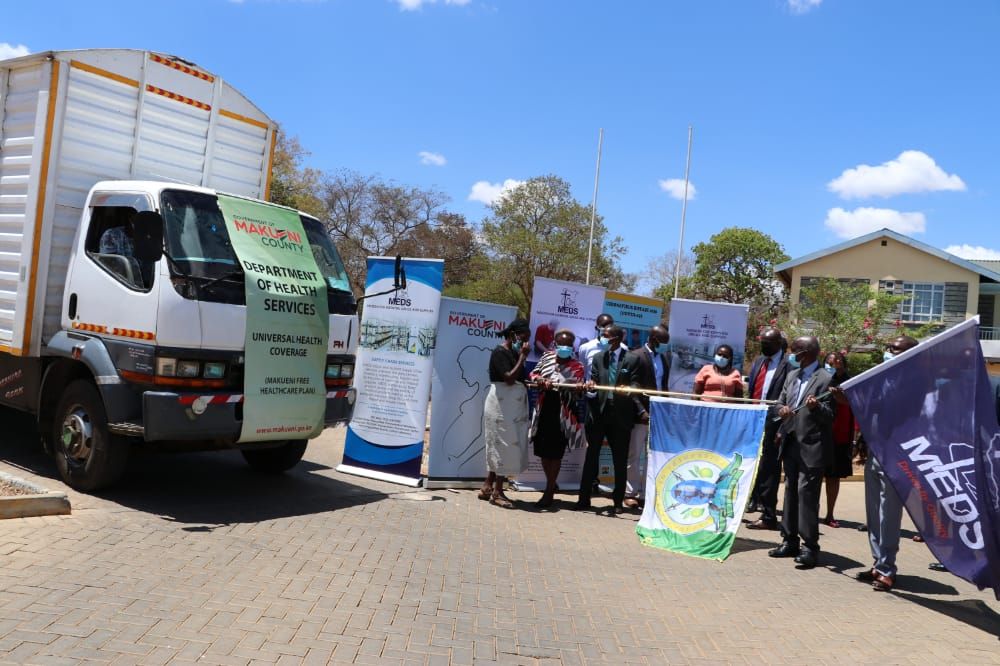
To counter the potential funding gaps, the government has prioritized securing adequate stockpiles of essential medicines. Barasa announced that Kenya now has sufficient supplies of ARVs, TB medications, malaria treatments, and diagnostic kits to last for the foreseeable future.
“We have taken the necessary precautions to ensure no Kenyan is left without treatment,” she reassured. The Ministry of Health is also working closely with global partners to maintain a steady supply of medications while seeking alternative funding sources.
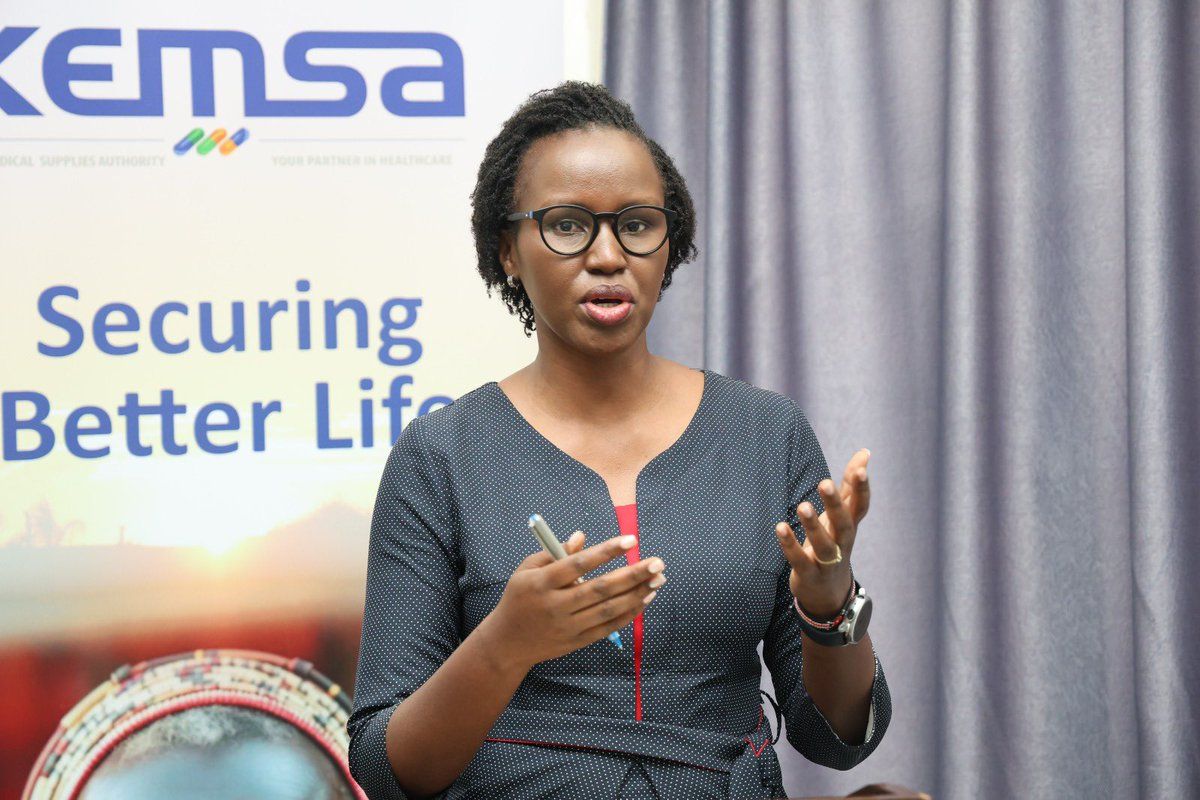
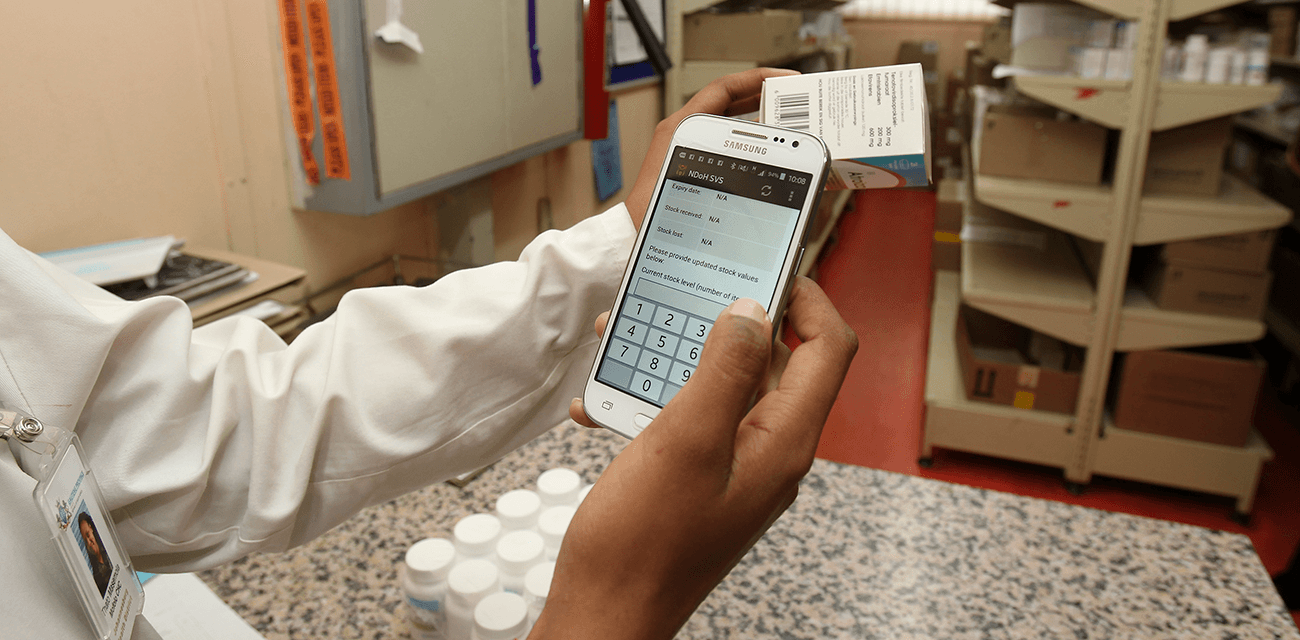
One of the biggest weaknesses in Kenya’s medical supply chain has been inefficiencies in distribution, which have led to frequent stockouts and wastage. To address this, the Kenya Medical Supplies Authority (KEMSA) is rolling out a digital tracking system that will monitor real-time drug availability across the country.
“This system will ensure that medicines are not just available but are reaching the right people on time,” said KEMSA CEO Dr. Waqo Ejersa. The technology will help eliminate bottlenecks, improve accountability, and prevent the mismanagement of medical supplies.
A key part of Kenya’s strategy to reduce dependence on donor-funded imports is strengthening its local pharmaceutical industry. Currently, most of the ARVs and other critical medications used in Kenya are manufactured abroad and imported at high costs. The government is now actively working to establish domestic drug manufacturing capabilities.
“We can no longer afford to be entirely dependent on foreign aid for our healthcare needs,” Barasa said. “By investing in local production, we will create jobs, reduce costs, and ensure continuous supply even when donor priorities shift.”
The government is also in discussions with private pharmaceutical firms to scale up production within the country, with an emphasis on producing ARVs, TB medications, and malaria drugs.
Access to medication is only part of the equation. Kenya is also focusing on community-driven health initiatives to ensure people feel safe seeking treatment. The Ministry of Health is rolling out programs aimed at breaking the stigma surrounding HIV and other chronic diseases.
“We want to build a healthcare system where treatment is not just available but also accessible without fear or discrimination,” Barasa emphasized. These efforts will include education campaigns, counseling services, and greater involvement of community health workers.
With shifting global funding, Kenya is at a turning point in its healthcare journey. While donor support remains crucial, the government is taking bold steps to ensure self-reliance by stockpiling essential drugs, improving supply chain management, and investing in local pharmaceutical production.
By embracing technology, fostering innovation, and strengthening community engagement, Kenya is laying the foundation for a more resilient and independent healthcare system. This will ensure that every citizen has access to life-saving treatments, regardless of global funding trends.





0 comments