
Your Read is on the Way
Every Story Matters
Every Story Matters
The Hydropower Boom in Africa: A Green Energy Revolution Africa is tapping into its immense hydropower potential, ushering in an era of renewable energy. With monumental projects like Ethiopia’s Grand Ethiopian Renaissance Dam (GERD) and the Inga Dams in the Democratic Republic of Congo, the continent is gearing up to address its energy demands sustainably while driving economic growth.
Northern Kenya is a region rich in resources, cultural diversity, and strategic trade potential, yet it remains underutilized in the national development agenda.

Can AI Help cure HIV AIDS in 2025

Why Ruiru is Almost Dominating Thika in 2025

Mathare Exposed! Discover Mathare-Nairobi through an immersive ground and aerial Tour- HD

Bullet Bras Evolution || Where did Bullet Bras go to?
Kenya’s healthcare system is facing a major challenge as investigations reveal widespread violations in medicine storage. Improper handling, exposure to extreme temperatures, and failure to follow regulatory guidelines have resulted in degraded medications that may be ineffective or even harmful.
The Pharmacy and Poisons Board (PPB) has raised concerns that many healthcare facilities, wholesalers, and distributors fail to store medicine under the required conditions. This has led to an increase in complaints about medicine losing potency before reaching patients, weakening Kenya’s healthcare efforts.
Regulatory officials warn that a significant percentage of medicines in Kenya’s market may already be compromised due to poor storage. Heat, humidity, and inadequate packaging are major factors causing medicine degradation. Patients are unknowingly consuming drugs that offer little to no therapeutic value, putting their health at risk.
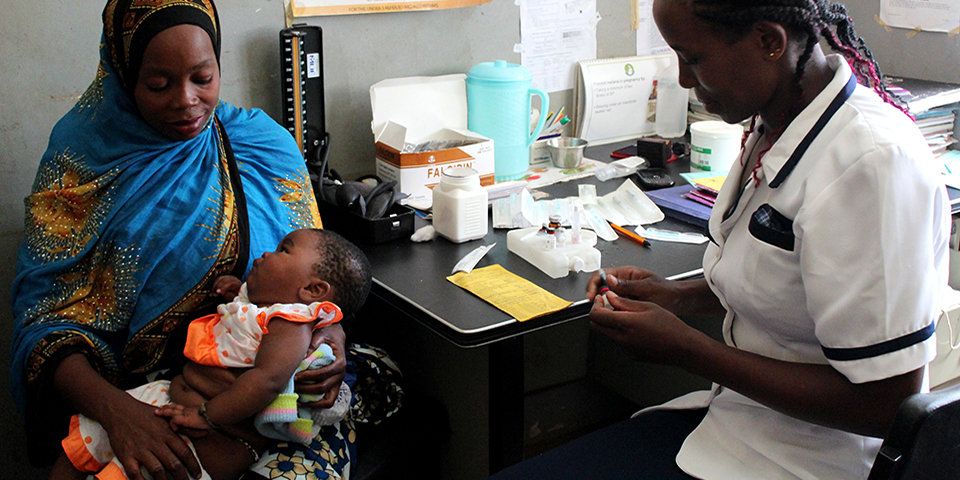
A government source revealed that some suppliers have been ignoring proper storage procedures to cut costs. Worse still, counterfeit drugs are making their way into the market, further threatening public health.
In response to the crisis, the Ministry of Health has announced a nationwide crackdown on pharmaceutical players violating medicine storage guidelines. Regulatory officers will conduct inspections across hospitals, pharmacies, and warehouses, with strict penalties for those failing to comply.
Among the proposed enforcement measures are:
PPB has also directed manufacturers to improve packaging to protect medicines from environmental factors and ensure they remain effective throughout their shelf life.
Beyond storage issues, experts are warning about the growing threat of counterfeit drugs infiltrating the Kenyan market. Unscrupulous distributors are exploiting regulatory loopholes to introduce substandard and fake medications, many of which are indistinguishable from genuine products.

Health experts warn that unless urgent action is taken, the rise in ineffective or harmful drugs could trigger an increase in treatment-resistant diseases, worsening Kenya’s public health burden.
As the crisis unfolds, the country faces a critical choice. It must implement strict reforms to safeguard the pharmaceutical industry or risk a healthcare disaster. Experts are calling for better enforcement of Good Distribution Practices, improved monitoring of storage facilities, and public awareness campaigns to inform citizens about the dangers of poorly stored medicine.
With thousands of lives at stake, the urgency to act has never been greater. The coming months will determine whether Kenya can restore trust in its healthcare system or if the nation will suffer the consequences of pharmaceutical negligence.






0 comments