
Your Read is on the Way
Every Story Matters
Every Story Matters
The Hydropower Boom in Africa: A Green Energy Revolution Africa is tapping into its immense hydropower potential, ushering in an era of renewable energy. With monumental projects like Ethiopia’s Grand Ethiopian Renaissance Dam (GERD) and the Inga Dams in the Democratic Republic of Congo, the continent is gearing up to address its energy demands sustainably while driving economic growth.
Northern Kenya is a region rich in resources, cultural diversity, and strategic trade potential, yet it remains underutilized in the national development agenda.
Can AI Help cure HIV AIDS in 2025

Why Ruiru is Almost Dominating Thika in 2025

Mathare Exposed! Discover Mathare-Nairobi through an immersive ground and aerial Tour- HD

Bullet Bras Evolution || Where did Bullet Bras go to?
Mombasa County is currently battling a Chikungunya virus outbreak, with 25 confirmed cases emerging amid the ongoing rainy season. The viral disease, transmitted through the bite of infected Aedes mosquitoes, has sparked concern due to its rapid spread in densely populated urban neighborhoods. The surge in standing water from seasonal rains has worsened the mosquito problem, increasing the risk of further transmission.
Health officials have flagged four key sub-counties—Mvita, Nyali, Likoni, and Kisauni—as current hotspots for the disease. These areas have reported the highest concentration of cases, prompting immediate vector control measures.
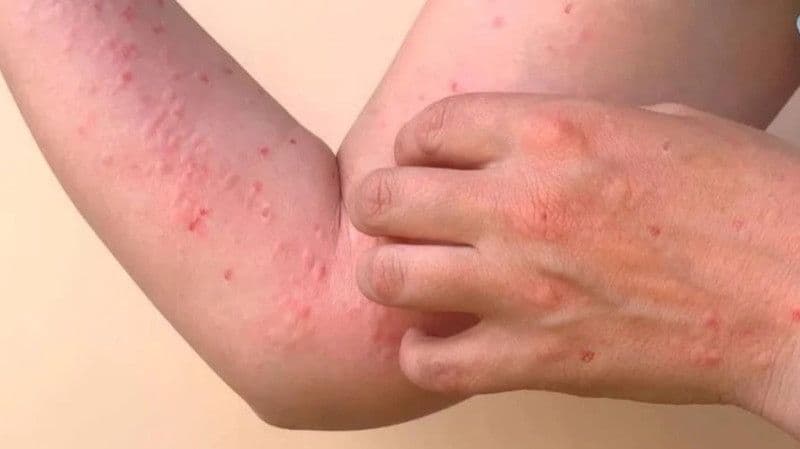
Chikungunya is an acute viral infection that typically manifests within four to eight days after exposure. The most common symptoms include high fever, intense joint pain, muscle stiffness, rash, fatigue, and headaches. In some cases, joint pain can persist for months, severely impacting the patient’s quality of life.
The virus is primarily spread by Aedes aegypti and Aedes albopictus mosquitoes, which thrive in tropical climates and are particularly active during daylight hours. The increased rainfall in Mombasa has provided ideal breeding grounds for these vectors, accelerating the spread of the disease.
Mombasa County's Department of Health has launched emergency response operations to curb the spread of the virus. These include fumigation drives in affected neighborhoods, public sensitization campaigns, and distribution of insecticide-treated nets to vulnerable households.
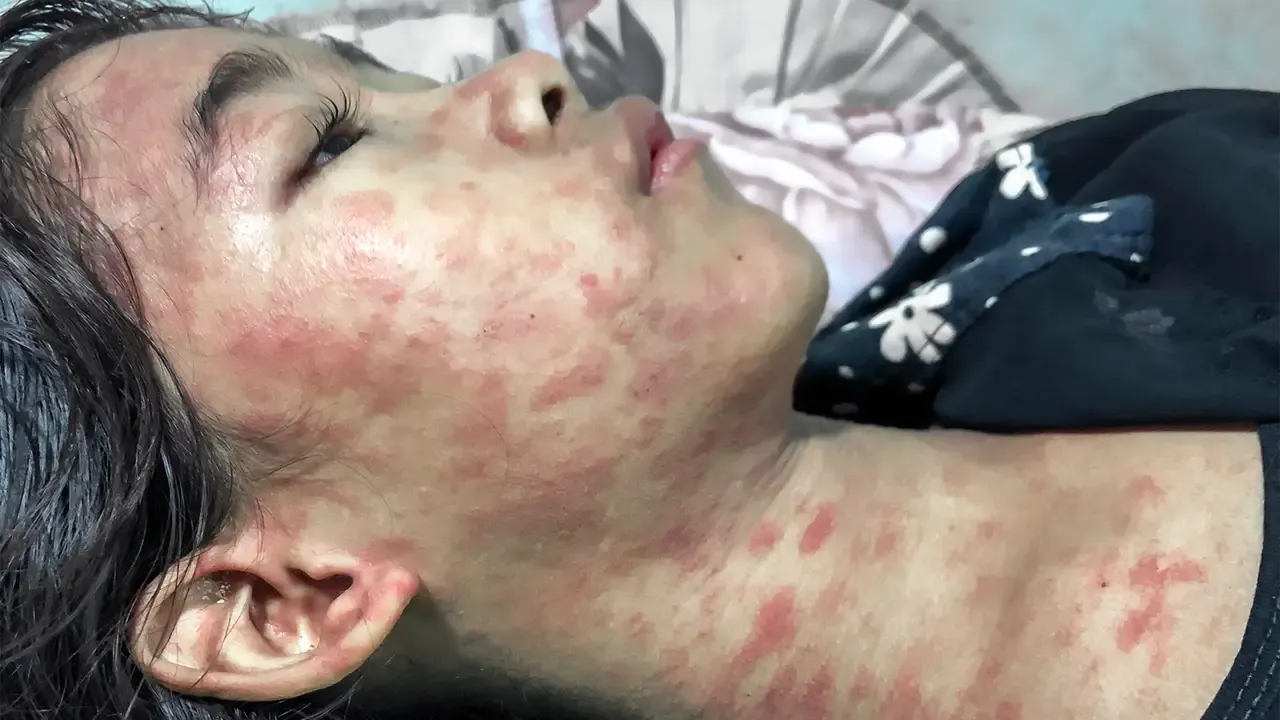
Medical teams are also conducting door-to-door surveillance to identify new cases and educate residents about preventive practices. Hospitals and clinics across the city have been placed on high alert to monitor and treat patients presenting with Chikungunya-like symptoms.
Residents are being strongly encouraged to take personal responsibility for mosquito control. Health officers are advising the public to eliminate stagnant water from containers, drains, and household surroundings. Protective clothing and mosquito repellents are being recommended, particularly for individuals living in high-risk areas.
Given the lack of a specific antiviral treatment or licensed vaccine for Chikungunya, symptom management remains the only available option. Pain relievers, rest, and adequate hydration are the standard care procedures for those infected.
The Chikungunya outbreak has once again highlighted the fragile nature of urban health systems in coastal Kenya, especially in informal settlements where poor drainage and limited healthcare access are prevalent. The situation calls for long-term investment in sanitation infrastructure, robust disease surveillance systems, and continuous community engagement to prevent future outbreaks.
With the rains expected to continue, health authorities remain on high alert, urging residents to cooperate fully with ongoing interventions. The coming weeks will be critical in determining whether containment efforts succeed or if the outbreak escalates into a broader health emergency.




0 comments