
Your Read is on the Way
Every Story Matters
Every Story Matters
The Hydropower Boom in Africa: A Green Energy Revolution Africa is tapping into its immense hydropower potential, ushering in an era of renewable energy. With monumental projects like Ethiopia’s Grand Ethiopian Renaissance Dam (GERD) and the Inga Dams in the Democratic Republic of Congo, the continent is gearing up to address its energy demands sustainably while driving economic growth.
Northern Kenya is a region rich in resources, cultural diversity, and strategic trade potential, yet it remains underutilized in the national development agenda.

Can AI Help cure HIV AIDS in 2025

Why Ruiru is Almost Dominating Thika in 2025

Mathare Exposed! Discover Mathare-Nairobi through an immersive ground and aerial Tour- HD

Bullet Bras Evolution || Where did Bullet Bras go to?
Every woman’s childbirth journey is unique, influenced by her health, preferences, and circumstances. What unites all these experiences is a shared goal: the safe delivery of a healthy baby. Yet how that happens varies greatly. From natural vaginal births to highly controlled surgical interventions, modern obstetrics now accommodates a range of childbirth options, each with its own purpose, risks, and emotional weight.
Vaginal delivery remains the most natural and widely practiced method of childbirth. It usually occurs without surgical intervention and can be either unmedicated or involve pain management such as epidurals. Labor progresses in stages—contractions, dilation, delivery of the baby, and delivery of the placenta.
Some vaginal births require assistance using forceps or vacuum devices if labor stalls or complications arise. While these tools can prevent the need for a cesarean section, they require skilled handling to minimize injury to both mother and baby.
A cesarean section (C-section) is a surgical procedure in which the baby is delivered through incisions made in the mother’s abdomen and uterus. It may be planned (elective) due to previous C-sections, breech positioning, or other risks. Alternatively, it may be an emergency procedure performed when labor complications arise, such as fetal distress or stalled labor.
While C-sections are often life-saving, they come with longer recovery times and increased risks of infection, bleeding, and future pregnancy complications. Nonetheless, they are vital in modern maternity care and are becoming more common globally.
Water birth involves laboring and sometimes delivering in a pool of warm water. Advocates claim that the buoyancy reduces labor pain, relaxes the mother, and creates a gentle transition for the baby. Some women feel more in control and at ease in a water birth environment, often accompanied by midwives or doulas in birthing centers or home settings.
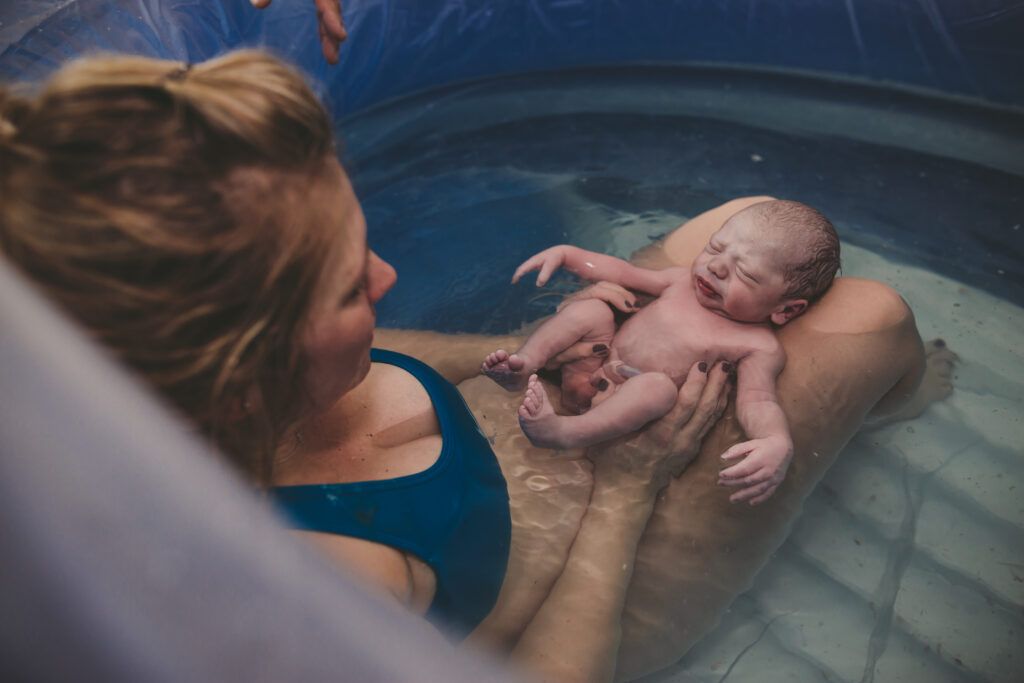
However, water births are typically recommended only for low-risk pregnancies. Medical supervision and strict hygiene protocols are essential to ensure safety.
Home birth has been practiced for centuries and remains a preference for some women who want a non-hospital environment. Typically attended by a certified midwife, it allows women to labor in the comfort of their own homes, surrounded by family or chosen support people.
While home births can be empowering, they also carry risks, particularly if complications arise suddenly and emergency medical intervention is required. For this reason, they are usually reserved for healthy pregnancies without risk factors.
In many hospital settings, labor induction—using medications to stimulate contractions—is common when a pregnancy goes past its due date or health concerns emerge. Oxytocin (Pitocin) and prostaglandins are used to prompt labor, while epidurals and spinal blocks offer powerful pain relief.
These interventions are often medically necessary, but some women feel disconnected from their birthing experience. Balancing comfort, safety, and emotional well-being is a critical part of planning labor.
When labor becomes prolonged or the baby’s health is at risk, assisted vaginal deliveries come into play. Forceps or a vacuum extractor may help guide the baby out. In some cases, an episiotomy—a small incision made in the vaginal opening—is performed to prevent tearing or facilitate a quicker birth.
These procedures require expert hands and are performed with the intention of preserving the well-being of both mother and child.
Birth is not only a medical event—it’s a deeply personal and cultural experience. Some women prefer spiritual rituals or birth plans aligned with their values. The presence of a midwife, doula, or trusted partner can offer essential emotional support. In some cultures, community and family roles during childbirth are significant and play a role in how the process unfolds.
Globally, childbirth practices continue to evolve, with many healthcare systems striving to balance safety with respect for women’s autonomy and preferences.
Ultimately, how a woman gives birth is influenced by many factors: her medical condition, the baby’s position and health, access to resources, and her own beliefs and desires. The key lies in informed choice, respectful care, and a support system that honors her journey—whether she delivers in a hospital, at home, in water, or through surgery.
In all its forms, childbirth remains one of the most profound experiences of human life, shaped as much by biology as by belief, support, and resilience.






0 comments