
Your Read is on the Way
Every Story Matters
Every Story Matters
The Hydropower Boom in Africa: A Green Energy Revolution Africa is tapping into its immense hydropower potential, ushering in an era of renewable energy. With monumental projects like Ethiopia’s Grand Ethiopian Renaissance Dam (GERD) and the Inga Dams in the Democratic Republic of Congo, the continent is gearing up to address its energy demands sustainably while driving economic growth.
Northern Kenya is a region rich in resources, cultural diversity, and strategic trade potential, yet it remains underutilized in the national development agenda.

Can AI Help cure HIV AIDS in 2025

Why Ruiru is Almost Dominating Thika in 2025

Mathare Exposed! Discover Mathare-Nairobi through an immersive ground and aerial Tour- HD

Bullet Bras Evolution || Where did Bullet Bras go to?
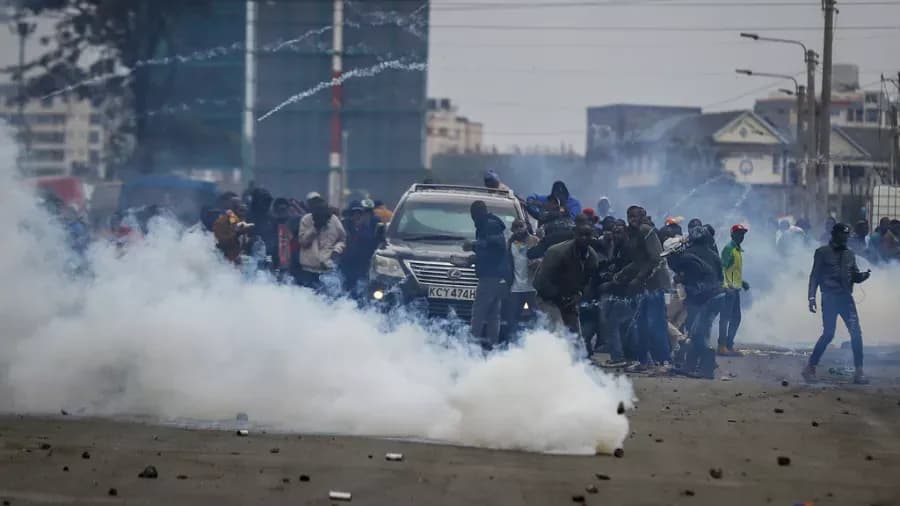
Tear gas has long been a favorite of governments and law enforcement for crowd control. Its sting, choking effect, and the panic it induces are intended to disperse protests swiftly. But what happens when people are exposed to it repeatedly, over months or years? The answer is chilling: the effects of tear gas can stretch far beyond temporary pain—some of them are irreversible and life-threatening.
Despite its name, “tear gas” isn’t a gas at all—it’s a chemical compound turned into an aerosol. The most common types used by security forces are CS (chlorobenzylidenemalononitrile) and CN (chloroacetophenone). These are toxic irritants designed to inflame mucous membranes in the eyes, nose, mouth, and lungs. While often dismissed as non-lethal, their impact over time can tell a different story entirely.
With repeated exposure, the respiratory system takes a serious hit. Chronic bronchitis, asthma-like symptoms, and decreased lung function are frequently reported in people—especially protestors and journalists—who are regularly caught in tear-gas clouds. Long-term inflammation of the lungs can lead to tissue scarring, making it harder for oxygen to move through the body. For those with pre-existing conditions, tear gas can be a death sentence over time.
The nervous system isn’t immune either. Victims of repeated exposure have reported persistent headaches, memory issues, tremors, and sleep disorders. Some research indicates that tear gas chemicals may disrupt neurotransmitters, affecting brain function. Over time, even low-level exposure might heighten risks of neurological disorders, especially when exposure happens in enclosed spaces with poor ventilation.
Tear gas doesn't always blow away clean. Direct skin contact—especially with concentrated or poorly dispersed canisters—can cause chemical burns, blistering, and chronic dermatitis. The eyes, constantly assaulted during exposure, can suffer corneal scarring and vision loss. Repeated exposure also increases the risk of infections due to the weakening of natural barriers.
Perhaps the most underreported but deeply concerning long-term impact is on reproductive health. Some studies suggest that tear gas chemicals may disrupt hormone function, interfere with menstrual cycles, and even lead to miscarriages. Women who’ve been exposed multiple times have reported irregular periods, early menopause symptoms, and fertility issues.
Tear gas isn't just physically damaging—it leaves scars on the psyche. The trauma of repeated exposure, especially in high-stress protest environments, has led to rising rates of PTSD, anxiety disorders, and chronic stress. People begin to associate public spaces with danger. For many, even the scent of smoke triggers panic.
Children, the elderly, people with chronic illnesses, and pregnant women are most at risk. What a healthy adult might recover from in a few hours can trigger a health crisis in these groups. And because tear gas is often deployed in dense urban areas, its reach frequently extends far beyond the initial targets—into homes, schools, and hospitals.
While governments continue to use tear gas under the pretense of non-lethality, the evidence paints a starkly different picture. Repeated exposure to these chemical agents doesn’t just disperse crowds—it slowly breaks down the body, one protest at a time. It's time to reevaluate what we call "non-lethal," and to hold accountable the widespread use of chemical crowd-control methods that leave lasting damage.





0 comments