
Your Read is on the Way
Every Story Matters
Every Story Matters
The Hydropower Boom in Africa: A Green Energy Revolution Africa is tapping into its immense hydropower potential, ushering in an era of renewable energy. With monumental projects like Ethiopia’s Grand Ethiopian Renaissance Dam (GERD) and the Inga Dams in the Democratic Republic of Congo, the continent is gearing up to address its energy demands sustainably while driving economic growth.
Northern Kenya is a region rich in resources, cultural diversity, and strategic trade potential, yet it remains underutilized in the national development agenda.
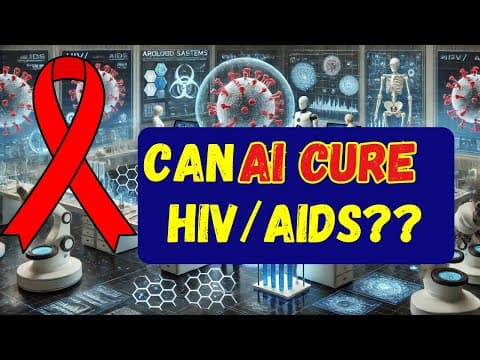
Can AI Help cure HIV AIDS in 2025

Why Ruiru is Almost Dominating Thika in 2025

Mathare Exposed! Discover Mathare-Nairobi through an immersive ground and aerial Tour- HD

Bullet Bras Evolution || Where did Bullet Bras go to?
Hypertension, commonly known as high blood pressure, is a chronic medical condition where the force of blood against artery walls is consistently too high. It’s often dubbed the “silent killer” because it typically presents no clear symptoms until significant damage has already been done to the body. Many people live with it unknowingly, putting them at serious risk of heart disease, stroke, and kidney failure.
Blood pressure is measured using two numbers: systolic (the pressure when your heart beats) and diastolic (the pressure when your heart rests between beats). A normal reading is usually around 120/80 mmHg. Anything consistently above 130/80 mmHg is considered high and potentially dangerous.
Hypertension doesn’t have a single cause but rather a series of contributing factors. Lifestyle choices play a huge role. A diet high in salt, fat, and processed foods, combined with lack of physical activity, smoking, and excessive alcohol use, significantly increases the risk. Obesity, chronic stress, and even certain medications can contribute.
There's also secondary hypertension, which is caused by an underlying condition like kidney disease, hormonal disorders, or the use of certain drugs. In many cases, however, especially with primary hypertension, no specific cause can be identified.
Age is a major factor—hypertension is more common in adults over 40, but younger individuals are increasingly affected due to poor lifestyle habits. Genetics also plays a role. If high blood pressure runs in your family, you're more likely to develop it. Additionally, people of African descent tend to have a higher incidence and more severe complications from hypertension.
Men are more prone to hypertension at a younger age, but after menopause, women catch up quickly. Other risk amplifiers include diabetes, high cholesterol, and a sedentary lifestyle.

The scariest thing about hypertension is how quietly it damages the body. Most people don’t know they have it until a serious event—like a heart attack, stroke, or kidney failure—forces them to the emergency room. When symptoms do appear, they may include headaches, blurred vision, chest pain, shortness of breath, or nosebleeds—but these typically occur in severe cases.
This is why regular screening is crucial. Knowing your numbers could literally save your life.
Uncontrolled hypertension wreaks havoc on the body. It damages arteries, making them less elastic and more prone to blockage, which can lead to heart attacks and strokes. It also forces the heart to work harder, eventually causing heart enlargement and potential failure.
Kidneys, too, are heavily impacted. High blood pressure can narrow the blood vessels in the kidneys, impairing their ability to filter waste. Over time, this can lead to kidney failure. The brain is also at risk; besides stroke, hypertension can contribute to cognitive decline and dementia.
The good news? Hypertension is highly manageable—if caught early and treated properly. Lifestyle changes form the first line of defense: reduce salt and saturated fat intake, eat more fruits and vegetables, maintain a healthy weight, quit smoking, limit alcohol, and exercise regularly. Even 30 minutes of moderate activity a day can make a huge difference.
For some, lifestyle changes aren’t enough. In such cases, doctors prescribe medications like ACE inhibitors, beta-blockers, or diuretics to help control blood pressure. The key is consistency—taking meds regularly, monitoring blood pressure at home, and sticking to follow-up appointments.
In today’s fast-paced, stress-filled world, hypertension is becoming more widespread—even among younger people. Sedentary lifestyles, poor diets, and chronic stress are fueling a quiet epidemic. The condition not only burdens individual health but also places a strain on healthcare systems.
Public education, routine screening, and easy access to affordable care are critical in tackling the problem. And for individuals, self-awareness and proactive health choices remain the best defense.






0 comments