
Your Read is on the Way
Every Story Matters
Every Story Matters
The Hydropower Boom in Africa: A Green Energy Revolution Africa is tapping into its immense hydropower potential, ushering in an era of renewable energy. With monumental projects like Ethiopia’s Grand Ethiopian Renaissance Dam (GERD) and the Inga Dams in the Democratic Republic of Congo, the continent is gearing up to address its energy demands sustainably while driving economic growth.
Northern Kenya is a region rich in resources, cultural diversity, and strategic trade potential, yet it remains underutilized in the national development agenda.
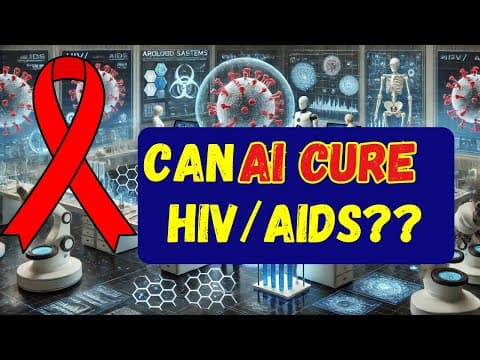
Can AI Help cure HIV AIDS in 2025

Why Ruiru is Almost Dominating Thika in 2025

Mathare Exposed! Discover Mathare-Nairobi through an immersive ground and aerial Tour- HD

Bullet Bras Evolution || Where did Bullet Bras go to?
Hypertension, also known as high blood pressure, is a condition where the force of blood against the artery walls is consistently too high. If left unmanaged, it can lead to serious complications such as heart disease, stroke, or kidney failure. Fortunately, several natural and lifestyle remedies can help lower blood pressure and support overall cardiovascular health.
Diet plays a crucial role in controlling hypertension. Reducing sodium intake helps prevent fluid retention and eases pressure on blood vessels. The DASH diet (Dietary Approaches to Stop Hypertension) is often recommended, as it emphasizes fruits, vegetables, whole grains, lean proteins, and low-fat dairy while minimizing red meat and processed foods. Foods rich in potassium, like bananas, spinach, and sweet potatoes, also balance sodium levels and support heart function.
Engaging in at least 30 minutes of moderate physical activity most days of the week can significantly reduce high blood pressure. Activities such as walking, swimming, cycling, and jogging strengthen the heart, improve blood circulation, and lower arterial pressure. Exercise also aids in weight management, which is directly linked to blood pressure control.
Chronic stress can contribute to elevated blood pressure. Techniques such as meditation, yoga, deep breathing, and mindfulness help calm the nervous system and reduce stress-related spikes. Setting aside time for hobbies, relaxation, and proper sleep also plays a key role in managing stress and supporting heart health.
Excessive alcohol consumption raises blood pressure and can interfere with hypertension medications. Limiting intake to moderate levels—or avoiding it altogether—helps reduce risks. Similarly, smoking damages blood vessels, accelerates plaque buildup, and worsens hypertension. Quitting smoking immediately benefits cardiovascular health.
Being overweight places extra strain on the heart and blood vessels, raising the risk of hypertension. Even modest weight loss can significantly reduce blood pressure. Combining balanced nutrition with regular exercise is the most effective way to achieve and maintain a healthy weight.
While caffeine’s effect on long-term blood pressure remains debated, it can cause short-term spikes in some individuals. Monitoring caffeine intake from coffee, tea, and energy drinks helps those sensitive to its effects maintain steadier blood pressure levels.
Certain natural remedies may also help in managing hypertension. Garlic, hibiscus tea, flaxseeds, and omega-3-rich foods have shown potential in lowering blood pressure. However, these should be used as complementary aids alongside medical advice, not as replacements for prescribed treatments.
Hypertension can often be managed through lifestyle adjustments that include a balanced diet, regular exercise, stress reduction, and avoiding harmful habits. By adopting these remedies, individuals not only lower their blood pressure but also improve their overall cardiovascular health. Consistency is key, and consulting a healthcare provider ensures that these remedies complement medical care effectively.






0 comments