
Your Read is on the Way
Every Story Matters
Every Story Matters
The Hydropower Boom in Africa: A Green Energy Revolution Africa is tapping into its immense hydropower potential, ushering in an era of renewable energy. With monumental projects like Ethiopia’s Grand Ethiopian Renaissance Dam (GERD) and the Inga Dams in the Democratic Republic of Congo, the continent is gearing up to address its energy demands sustainably while driving economic growth.
Northern Kenya is a region rich in resources, cultural diversity, and strategic trade potential, yet it remains underutilized in the national development agenda.
Can AI Help cure HIV AIDS in 2025

Why Ruiru is Almost Dominating Thika in 2025

Mathare Exposed! Discover Mathare-Nairobi through an immersive ground and aerial Tour- HD

Bullet Bras Evolution || Where did Bullet Bras go to?
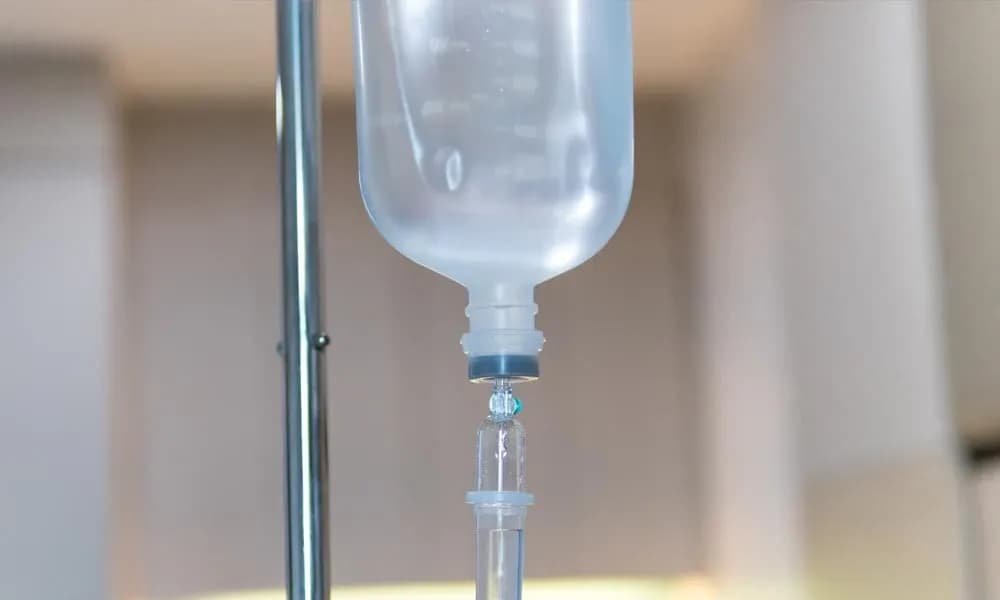
During childbirth, the body undergoes immense strain—both physical and hormonal. Maintaining fluid levels becomes critical, and when oral hydration isn’t sufficient or possible, medical teams rely on IV (intravenous) fluids. IV lines deliver water, electrolytes, and sometimes medications directly into the bloodstream, ensuring the mother remains hydrated and her bodily systems continue functioning optimally.
The uterus is a muscle, and like any other muscle in the body, it needs water and electrolytes to function well. Dehydration can lead to weaker, irregular, or inefficient contractions. By maintaining hydration via IV fluids, hospitals ensure that uterine contractions remain strong and consistent, reducing the chances of prolonged labor or labor that stalls midway.
IV fluids are essential for stabilizing maternal blood pressure, especially during medical interventions like epidurals or C-sections. When blood pressure drops suddenly, which can occur after anesthesia, IV fluids help rebalance circulation. This protects both the mother’s consciousness and the baby's oxygen supply.
In emergency scenarios—like excessive bleeding, fever, or infection—IV fluids become life-saving by quickly restoring volume and supporting critical organ function.
Beyond hydration, IV lines serve as the channel for delivering vital labor medications: antibiotics (for infections), oxytocin (to induce or strengthen labor), or pain relief drugs. If labor progresses rapidly or becomes complicated, the IV is already in place for instant treatment. It streamlines the medical response, reduces risk, and boosts safety.
IV fluids are typically administered in the following scenarios:
-If the mother is too nauseated to drink
-During long or induced labor
-Before or after receiving an epidural
-When the baby shows signs of distress
-If dehydration, fever, or high blood loss occurs
Some women may also be given a “heplock” (a capped IV line), allowing fluids or drugs to be administered if needed without continuous infusion.
Read this related article: What Happens If You Get Dehydrated During Labor
For mothers aiming for minimal intervention, the idea of an IV might seem intrusive. However, many midwives and obstetricians recommend a precautionary IV line or a saline lock to provide access without active interference. It’s a safety net—ready but not restrictive.





0 comments