
Your Read is on the Way
Every Story Matters
Every Story Matters
The Hydropower Boom in Africa: A Green Energy Revolution Africa is tapping into its immense hydropower potential, ushering in an era of renewable energy. With monumental projects like Ethiopia’s Grand Ethiopian Renaissance Dam (GERD) and the Inga Dams in the Democratic Republic of Congo, the continent is gearing up to address its energy demands sustainably while driving economic growth.
Northern Kenya is a region rich in resources, cultural diversity, and strategic trade potential, yet it remains underutilized in the national development agenda.

Can AI Help cure HIV AIDS in 2025

Why Ruiru is Almost Dominating Thika in 2025

Mathare Exposed! Discover Mathare-Nairobi through an immersive ground and aerial Tour- HD

Bullet Bras Evolution || Where did Bullet Bras go to?
The Neonatal Intensive Care Unit (NICU) is a specialized hospital unit designed to provide intensive medical care to newborn babies who are born prematurely, have low birth weight, or face serious health challenges immediately after birth. This unit is staffed by a multidisciplinary team that includes neonatologists (doctors who specialize in newborn care), neonatal nurses, respiratory therapists, and other pediatric subspecialists.
The NICU is equipped with advanced medical technology and a sterile, controlled environment to ensure that fragile infants receive the support they need to grow stronger and stabilize. The atmosphere, though clinical, is one of relentless vigilance and care, built around giving each infant the best possible start in life despite overwhelming odds.
Not every newborn will require a NICU stay, but several factors can increase the likelihood, including:
-Premature birth (before 37 weeks of gestation)
-Low birth weight (under 2.5 kg)
-Infections or birth complications
-Breathing problems, including respiratory distress syndrome
-Congenital conditions like heart defects or genetic disorders
-Delivery trauma or complications during labor
These conditions can arise unexpectedly, even in otherwise healthy pregnancies. For this reason, many maternity hospitals have NICUs on standby to intervene immediately if complications arise during or after delivery.
Not all NICUs are created equal. They are categorized by levels depending on the complexity of care they can provide:
-Level I: Basic newborn care for healthy full-term infants.
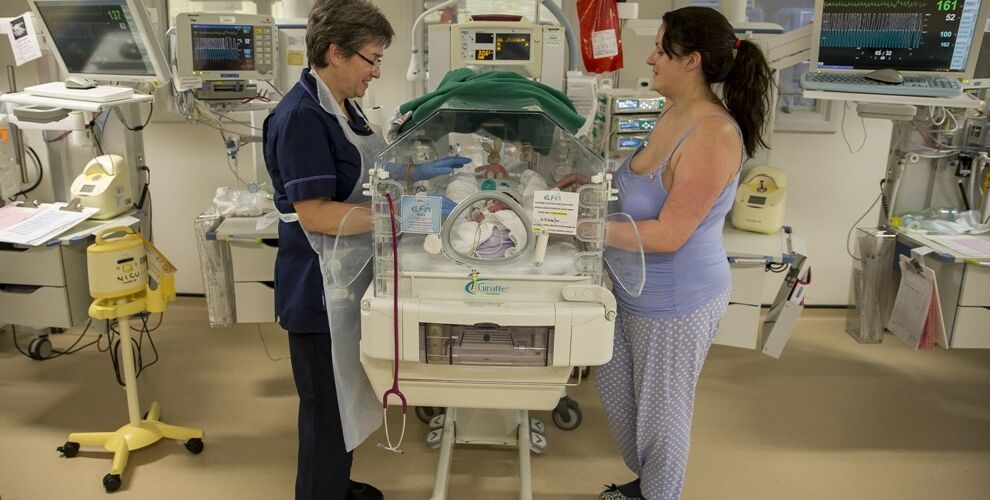
-Level II: Special care for premature or mildly ill newborns who may need oxygen, feeding assistance, or a short NICU stay.
-Level III: Intensive care for very sick or very premature infants. These NICUs offer access to advanced imaging, surgery, and life-support systems.
-Level IV: The highest level of neonatal care, capable of handling the most complex and critical cases, including surgery and specialized cardiac treatment.
NICUs are filled with specialized machines and tools that support fragile babies. Some of the essential equipment includes:
-Incubators: Enclosed beds that keep babies warm and protected from infection.
-Ventilators and CPAP machines: Help infants with underdeveloped lungs breathe.
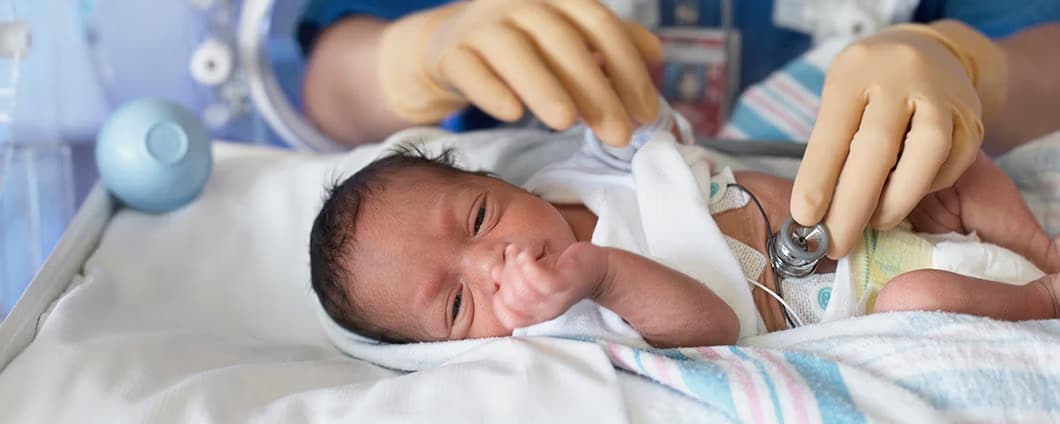
-Monitors: Track vital signs like heart rate, oxygen levels, blood pressure, and breathing.
-Feeding tubes: Provide nutrition when babies are too weak to suck or swallow.
-Phototherapy lights: Treat jaundice by breaking down excess bilirubin in the baby’s blood.
This environment is highly sterile, often limiting access to reduce the risk of infection, and prioritizing calm, low-light conditions to mimic the womb and support neurological development.
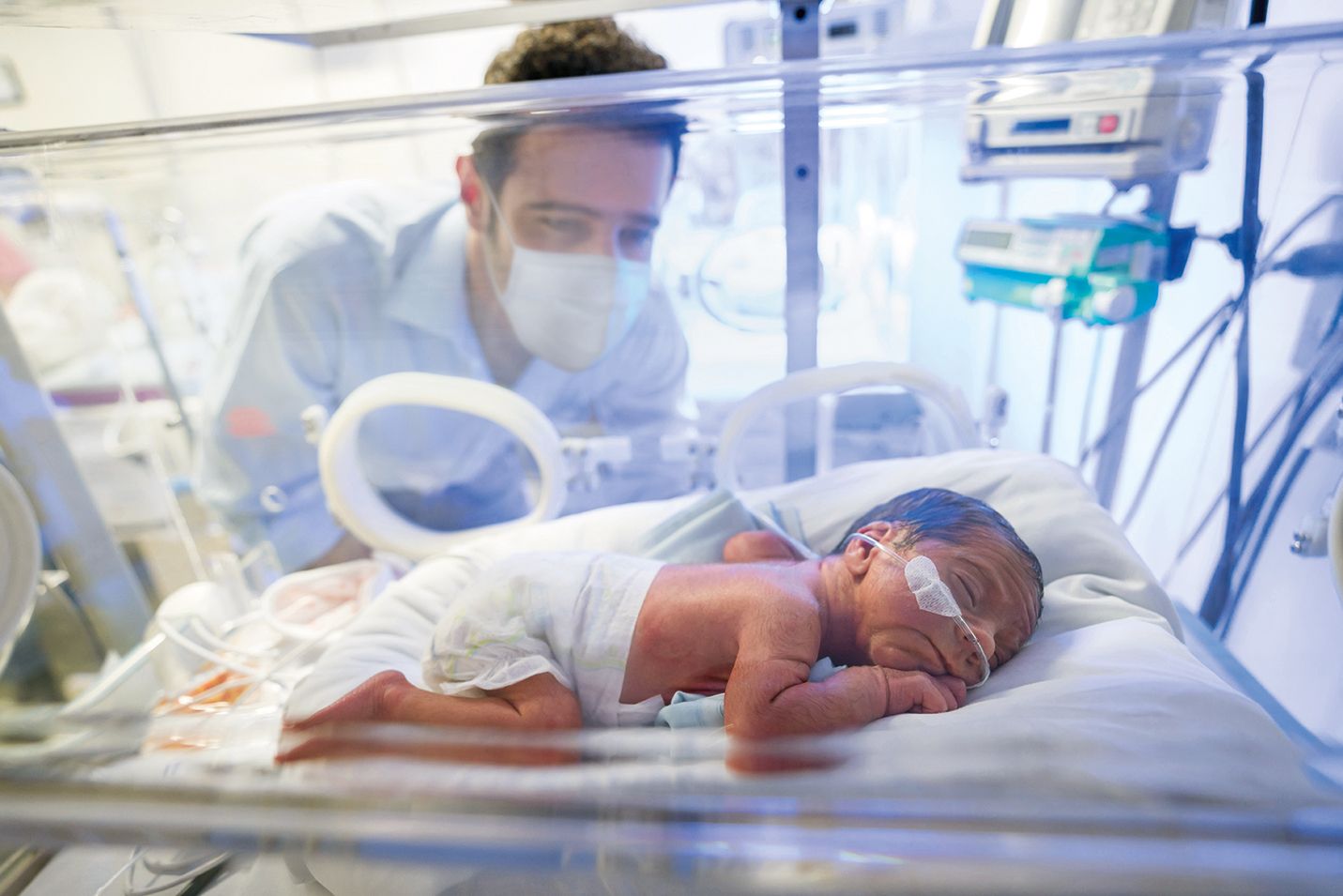
Having a baby in the NICU is emotionally grueling for parents. The joy of childbirth is often tempered by fear, uncertainty, and emotional exhaustion. Parents may feel helpless watching their tiny baby surrounded by tubes and machines, often unable to hold or feed them for days or even weeks.
Hospitals now increasingly offer family-centered NICU care, encouraging parental involvement through "kangaroo care" (skin-to-skin contact), counseling, and regular updates from the medical team. Support groups, spiritual services, and mental health counseling are also often provided.
A baby’s NICU stay can range from a few days to several months, depending on the severity of their condition and how well they respond to treatment. Generally, the closer a baby is to full-term and the higher their birth weight, the sooner they can go home.
Discharge is considered only when the baby can:
-Breathe without assistance
-Maintain body temperature
-Gain weight steadily
-Feed effectively from the breast or bottle
-Pass all necessary medical tests
Even after leaving the NICU, many babies require ongoing care. Follow-up appointments, physical therapy, and specialized pediatric care may be necessary, especially for those born extremely prematurely or with birth defects. However, many NICU graduates go on to live healthy, full lives.
Early intervention services and parental vigilance play key roles in monitoring developmental milestones and ensuring long-term wellness.





0 comments