
Your Read is on the Way
Every Story Matters
Every Story Matters
The Hydropower Boom in Africa: A Green Energy Revolution Africa is tapping into its immense hydropower potential, ushering in an era of renewable energy. With monumental projects like Ethiopia’s Grand Ethiopian Renaissance Dam (GERD) and the Inga Dams in the Democratic Republic of Congo, the continent is gearing up to address its energy demands sustainably while driving economic growth.
Northern Kenya is a region rich in resources, cultural diversity, and strategic trade potential, yet it remains underutilized in the national development agenda.
Can AI Help cure HIV AIDS in 2025

Why Ruiru is Almost Dominating Thika in 2025

Mathare Exposed! Discover Mathare-Nairobi through an immersive ground and aerial Tour- HD

Bullet Bras Evolution || Where did Bullet Bras go to?
An ectopic pregnancy occurs when a fertilized egg implants and grows outside the uterus, most commonly in the fallopian tube. Because these areas cannot support a developing embryo, the pregnancy cannot proceed normally. If untreated, it may cause internal bleeding and be life-threatening, making early diagnosis critical.
Ectopic pregnancies often result from damage or blockage in the fallopian tubes caused by infections, prior surgeries, or pelvic inflammatory disease. Other risk factors include smoking, hormonal imbalances, fertility treatments, use of intrauterine devices (IUDs), or a history of ectopic pregnancy. Women over 35 are also at slightly higher risk.
Early symptoms can be similar to a normal pregnancy, including a missed period, nausea, or breast tenderness. However, key warning signs include sharp abdominal or pelvic pain, light vaginal bleeding, shoulder pain due to internal bleeding, dizziness, and fainting. These symptoms typically appear between 4 to 12 weeks of pregnancy and require urgent medical attention.
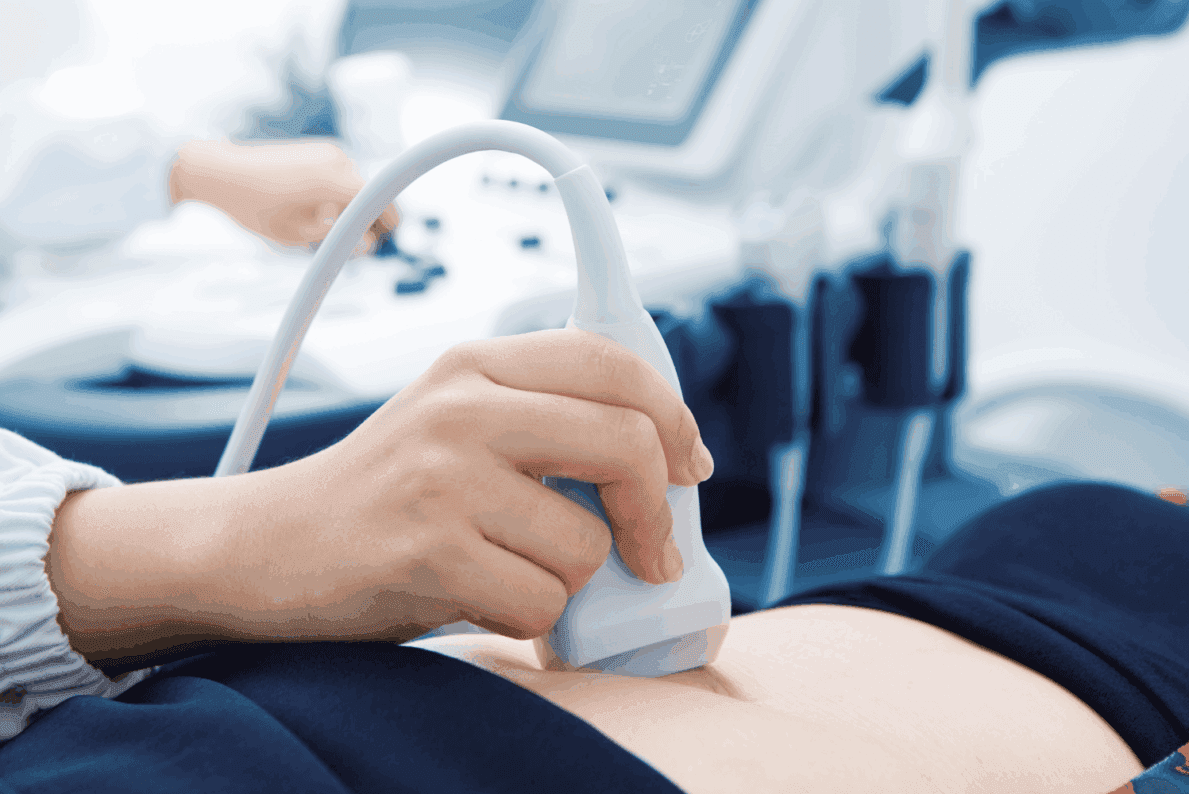
Doctors diagnose ectopic pregnancy using pelvic exams, blood tests to measure hCG levels, and transvaginal ultrasounds to locate the pregnancy. Quick diagnosis is essential to prevent rupture of the fallopian tube, which can cause severe internal bleeding and become life-threatening.
Treatment depends on how early the pregnancy is discovered. Methotrexate is often used in early cases to stop embryo growth. If the tube has ruptured or the pregnancy is too advanced, laparoscopic surgery may be necessary to remove the ectopic tissue and, in some cases, the affected fallopian tube.
Recovery involves both physical healing and emotional support. Most women can conceive again, but future pregnancies may carry a slightly higher risk of being ectopic. Doctors often recommend waiting at least three months before trying to conceive again to allow the body to heal fully.





0 comments