
Your Read is on the Way
Every Story Matters
Every Story Matters
The Hydropower Boom in Africa: A Green Energy Revolution Africa is tapping into its immense hydropower potential, ushering in an era of renewable energy. With monumental projects like Ethiopia’s Grand Ethiopian Renaissance Dam (GERD) and the Inga Dams in the Democratic Republic of Congo, the continent is gearing up to address its energy demands sustainably while driving economic growth.
Northern Kenya is a region rich in resources, cultural diversity, and strategic trade potential, yet it remains underutilized in the national development agenda.

Can AI Help cure HIV AIDS in 2025

Why Ruiru is Almost Dominating Thika in 2025

Mathare Exposed! Discover Mathare-Nairobi through an immersive ground and aerial Tour- HD

Bullet Bras Evolution || Where did Bullet Bras go to?
Vaping is the act of inhaling and exhaling an aerosol, often called vapor, produced by a vape device. These devices, known as e-cigarettes or vapes, heat a liquid that typically contains nicotine, flavorings, and other chemicals. Originally marketed as a safer alternative to smoking, vaping has evolved into a cultural trend, especially among teenagers and young adults.
A vape device consists of four main parts: a battery, a heating element (coil), a tank or cartridge containing vape juice (also called e-liquid), and a mouthpiece. When the user activates the device, the battery powers the coil, which heats the e-liquid into a vapor. This vapor is then inhaled into the lungs and exhaled like smoke, but without the burning tobacco.
Most vape juices contain nicotine, though nicotine-free options are also available. Some also include THC (the psychoactive compound in cannabis), CBD, or other chemical additives depending on the region and brand.
The main components of e-liquid are:
-Propylene Glycol (PG): Produces a stronger throat hit.
-Vegetable Glycerin (VG): Makes thicker clouds of vapor.
-Nicotine: The addictive chemical also found in tobacco.
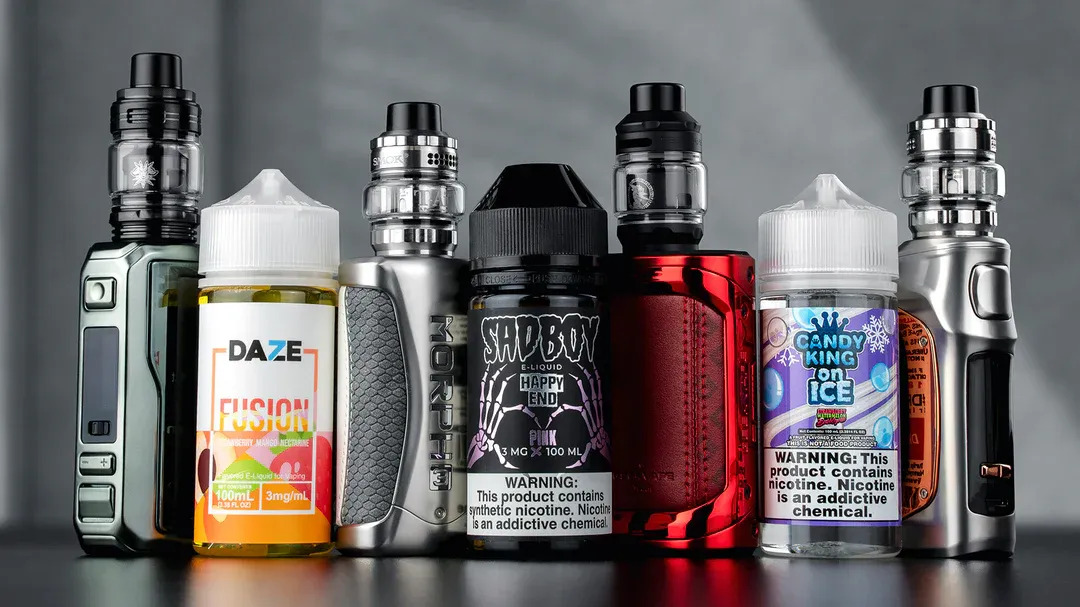
-Flavorings: Hundreds of flavors exist, ranging from fruity and minty to dessert and candy.
The appeal lies largely in these flavors, which make vaping more attractive, especially to younger users.
Vaping began as a niche alternative to smoking, but it quickly exploded into a global industry. Vape lounges, influencers, and even competitive “cloud chasing” events (where people show off vape tricks) have turned it into a full-blown lifestyle.
In Kenya, as in many parts of the world, vaping is increasingly common among college students and young professionals. Accessibility to affordable devices and online marketing through social platforms have helped push the trend forward.
Despite being marketed as safer than smoking, vaping isn’t without risks. Medical experts warn about potential damage to the lungs, cardiovascular complications, and the danger of nicotine addiction—especially in adolescents whose brains are still developing.
Concerns also revolve around:
-Unknown long-term effects: Vaping is relatively new, so data on long-term consequences are still limited.
-Popcorn lung: Linked to diacetyl, a chemical sometimes used in flavoring.
-Battery explosions: Poorly manufactured vapes can overheat and explode.
-Youth addiction: Nicotine’s addictiveness is intensified in younger users.
Governments around the world, including Kenya’s Ministry of Health, are increasingly looking into how best to regulate the sale, marketing, and use of vape products.
While initially designed for smokers looking to quit, today’s vape users include:
-Teenagers and young adults: Lured in by flavors, social trends, and peer influence.
-Smokers: Seeking a supposedly healthier alternative or a quitting tool.
-Recreational users: Often drawn by the customizable and tech-savvy nature of vape gadgets.
The dual-use of both cigarettes and vapes is also growing, undermining some of the original goals of harm reduction.
While traditional cigarettes contain thousands of harmful chemicals from combustion, vaping eliminates many of these through its vaporizing method. However, the reduced harm is not the same as no harm. Many health professionals urge smokers to use medically-approved cessation tools rather than switching to vapes.
The vaping industry is constantly evolving, with new devices, e-liquid formulas, and regulations shaping its future. Whether it will be a passing trend, a public health hazard, or a revolutionary tool for quitting smoking remains to be seen.
As awareness increases and more research emerges, one thing is clear: vaping is far from harmless, and its widespread popularity demands careful consideration by individuals, parents, and policymakers alike.






0 comments