
Your Read is on the Way
Every Story Matters
Every Story Matters
The Hydropower Boom in Africa: A Green Energy Revolution Africa is tapping into its immense hydropower potential, ushering in an era of renewable energy. With monumental projects like Ethiopia’s Grand Ethiopian Renaissance Dam (GERD) and the Inga Dams in the Democratic Republic of Congo, the continent is gearing up to address its energy demands sustainably while driving economic growth.
Northern Kenya is a region rich in resources, cultural diversity, and strategic trade potential, yet it remains underutilized in the national development agenda.
Can AI Help cure HIV AIDS in 2025

Why Ruiru is Almost Dominating Thika in 2025

Mathare Exposed! Discover Mathare-Nairobi through an immersive ground and aerial Tour- HD

Bullet Bras Evolution || Where did Bullet Bras go to?
Ovulation is a vital biological process in the female reproductive cycle and is essential for natural conception. It refers to the release of a mature egg from one of a woman's ovaries, typically occurring once per menstrual cycle. After its release, the egg travels down the fallopian tube, where it awaits potential fertilization by sperm.
This process marks the peak of a woman’s fertility window, meaning it's the time when she is most likely to become pregnant if engaging in unprotected intercourse. The process of ovulation is a central component of fertility and reproductive health, and its proper function is crucial for those hoping to conceive naturally. On the other hand, understanding and tracking ovulation is equally important for those looking to prevent pregnancy or manage reproductive health concerns.
Typically, ovulation occurs around the middle of a woman’s menstrual cycle — about 14 days before the onset of her next period in a standard 28-day cycle. However, this timing can vary widely from one person to another, depending on the length and regularity of individual cycles.
The process is orchestrated by a sophisticated interplay of hormones, particularly follicle-stimulating hormone (FSH) and luteinizing hormone (LH). At the beginning of the menstrual cycle, FSH stimulates the development of follicles in the ovary. Around mid-cycle, a surge in LH levels prompts the dominant follicle to release a mature egg — this is ovulation.
These hormonal fluctuations not only regulate ovulation but also affect mood, energy levels, and even physical appearance. Accurate timing of ovulation is especially significant for couples trying to conceive, as missing this narrow fertility window can make conception more difficult.
Many women experience subtle or even pronounced physiological changes that can serve as signs of ovulation. One of the most common is a noticeable shift in cervical mucus, which becomes clear, slippery, and stretchy — resembling raw egg whites — during the fertile period.
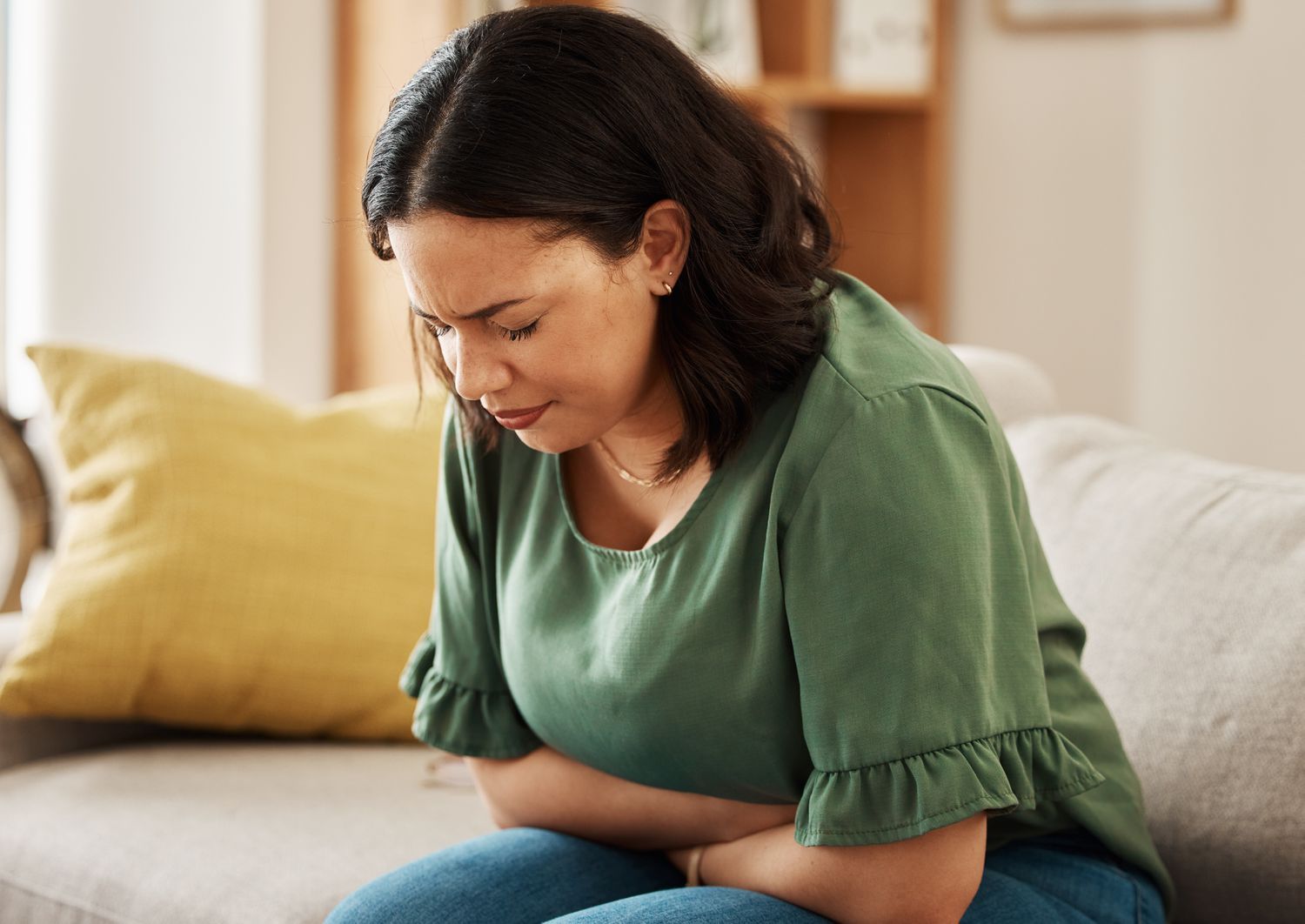
This change in consistency helps facilitate sperm mobility and survival. Some women may also notice a slight rise in basal body temperature following ovulation, caused by an increase in progesterone. Others may feel mild pelvic discomfort or cramping, often referred to as mittelschmerz, which can occur on one side of the abdomen depending on which ovary released the egg.
Additional signs might include increased sexual desire, bloating, breast tenderness, and heightened senses of smell or taste. Understanding and tracking these signals can be a powerful tool in both achieving and avoiding pregnancy, depending on one’s reproductive goals.
Ovulation is critical to natural conception, as it determines the brief window during which a woman can become pregnant. The egg itself remains viable for approximately 12 to 24 hours after release, although sperm can survive inside the female reproductive system for up to five days. This means that the most fertile days in a cycle are usually the five days leading up to and the day of ovulation.
For couples trying to conceive, timing intercourse to coincide with this fertile window can dramatically increase the chances of pregnancy. On the contrary, for those avoiding pregnancy through natural methods, understanding and avoiding this window is key.
Ovulation also serves as a general health marker, and its absence — known as anovulation — can indicate underlying health problems such as hormonal disorders or chronic stress. Thus, ovulation plays a multifaceted role beyond reproduction, acting as a barometer of a woman’s overall well-being.

Numerous factors can influence or disrupt the regular occurrence of ovulation. Lifestyle issues such as chronic stress, drastic weight changes, extreme physical activity, or inadequate nutrition can interfere with hormonal balance and delay or prevent ovulation. Medical conditions like polycystic ovary syndrome (PCOS), thyroid disorders, and elevated prolactin levels are common culprits of ovulatory dysfunction.
Environmental toxins, certain medications, and aging also impact ovulation. For women struggling with irregular cycles or infertility, there are various methods to track ovulation, including ovulation predictor kits, fertility charting using basal body temperature, and even blood tests or ultrasound monitoring.
Understanding the root causes of disrupted ovulation is essential for effective treatment and fertility planning. Seeking medical advice early can help prevent prolonged delays in conception and address potential underlying health concerns.
Ovulation is an intricate and essential function of the female reproductive system, holding the key to understanding fertility and reproductive health. Whether you're planning to start a family or simply looking to monitor your cycle for health reasons, gaining insights into how ovulation works can offer significant benefits.
By learning to recognize the signs of ovulation, understanding the hormonal influences, and being aware of potential disruptions, women can take greater control of their reproductive lives. In the broader context of health, ovulation is not just about fertility—it is a signal of hormonal balance, physical wellness, and internal stability. Every woman benefits from knowing her body better, and ovulation is one of its most powerful indicators.





0 comments