
Your Read is on the Way
Every Story Matters
Every Story Matters
The Hydropower Boom in Africa: A Green Energy Revolution Africa is tapping into its immense hydropower potential, ushering in an era of renewable energy. With monumental projects like Ethiopia’s Grand Ethiopian Renaissance Dam (GERD) and the Inga Dams in the Democratic Republic of Congo, the continent is gearing up to address its energy demands sustainably while driving economic growth.
Northern Kenya is a region rich in resources, cultural diversity, and strategic trade potential, yet it remains underutilized in the national development agenda.
Can AI Help cure HIV AIDS in 2025

Why Ruiru is Almost Dominating Thika in 2025

Mathare Exposed! Discover Mathare-Nairobi through an immersive ground and aerial Tour- HD

Bullet Bras Evolution || Where did Bullet Bras go to?
Inside every human body, an endless invisible conflict is underway, a subtle and complex dance between life-preserving mechanisms and deadly errors. Blood clots, usually the body's loyal defenders against injury and blood loss, can, under the wrong circumstances, transform into lethal saboteurs. When functioning correctly, clotting is nothing short of miraculous — a finely tuned response that prevents us from bleeding out from even the smallest cuts. However, when this same process goes haywire, forming clots where none are needed, the results can be catastrophic. These clots can creep silently through our veins, block vital arteries, and launch a deadly ambush with little or no warning, claiming thousands of lives annually without fanfare or fair notice.
The very chemistry that keeps us alive can, paradoxically, become our undoing. Under normal conditions, blood clots form when blood cells encounter exposed vessel walls, a signal that an injury needs patching. Proteins called clotting factors work in concert with platelets to quickly seal the breach. But sometimes, clots arise spontaneously inside undamaged blood vessels — a glitch in the body’s emergency system. The reasons can range from prolonged immobility, like sitting through endless flights or recovering in bed after surgery, to underlying conditions like cancer or genetic clotting disorders. This internal betrayal is especially sinister because it rarely announces itself until the damage is already underway: a sudden stroke, a heart attack, or a lung collapse brought on by an unseen clot drifting through the body until it strikes a critical point.
One of the most insidious manifestations of rogue clotting is Deep Vein Thrombosis (DVT). Picture a clot forming quietly in the deep veins of the leg, arm, groin, or behind the knee — growing undetected. Without symptoms, or with signs so mild they’re brushed aside, the clot can continue its silent expansion. Then, at any moment, a piece can dislodge, traveling through the bloodstream until it jams in the lungs, causing a pulmonary embolism — a sudden, often fatal event. DVT doesn’t need dramatic causes; long car rides, international flights, sedentary lifestyles, or extended bed rest can all tip the balance toward this dangerous condition. It’s a slow march of danger that too often ends in tragedy when least expected.

Not all clots stay in the veins. In coronary thrombosis, a clot forms in the arteries feeding the heart itself, cutting off blood supply and triggering a heart attack. Similarly, a pulmonary embolism occurs when a clot, often originating from the legs, blocks a lung artery, starving the lungs of oxygen and potentially causing sudden death within minutes. These are not gradual declines — they are explosions within the body, where seconds matter and medical help often arrives too late. Unlike chronic diseases that give time for intervention, blood clot-related events can strike down seemingly healthy individuals in the prime of life, underscoring just how stealthy and unforgiving these killers can be.
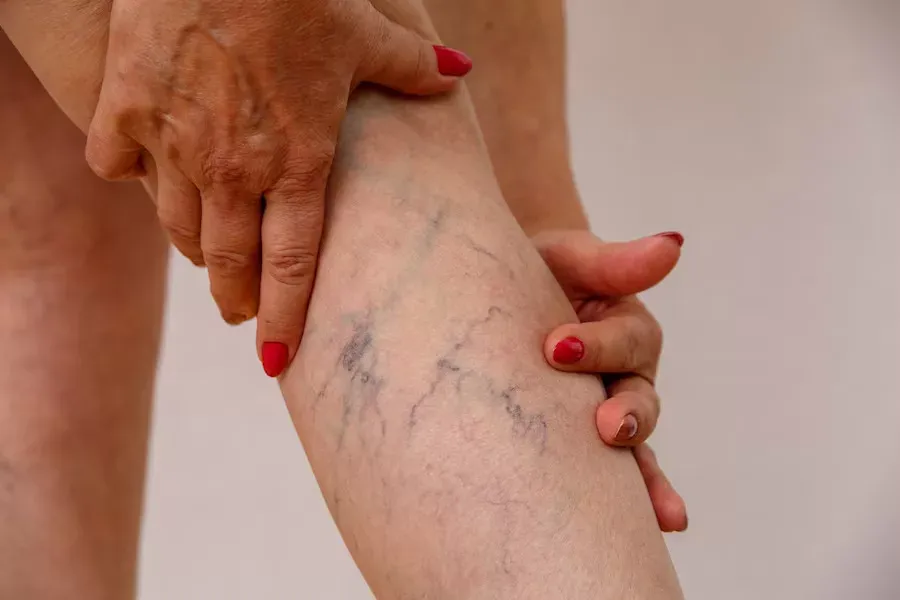
One of the cruelest tricks blood clots play is their ability to remain silent until it’s almost too late. Symptoms, if they do appear, are often brushed aside: mild swelling, a feeling of heaviness, tenderness, or warmth in a limb, slight redness — hardly the stuff of medical drama. Chest pain, unexplained shortness of breath, dizziness, or coughing up blood are more serious signs, often indicating the clot has already made a dangerous move. But half of DVT cases, studies show, don’t present any symptoms at all. The first and only sign might be a catastrophic event like a pulmonary embolism or stroke. This stealthy nature demands a level of vigilance and awareness that most people, understandably, don't maintain — until it's too late.
Diagnosing blood clots isn’t as simple as taking a blood pressure reading or checking a pulse. It requires imaging technology to literally "see" inside the body’s hidden pathways. Techniques like venography and angiography involve injecting special dyes into blood vessels and then capturing images with X-rays or CT scans. These glowing visuals reveal blockages that the naked eye could never detect. However, even with advanced imaging tools, the diagnosis often happens only after symptoms escalate, emphasizing the importance of early suspicion and proactive testing, especially for those at higher risk. It’s a game of catching a ghost before it becomes a poltergeist.
Once detected, a clot becomes the target of an aggressive and often multifaceted medical assault. Blood thinners, or anticoagulants, are frontline weapons — reducing the blood’s ability to clot further while allowing the body’s natural processes to gradually dissolve the existing clot. In more urgent cases, stronger clot-busting drugs or surgical interventions are needed, such as inserting filters into veins or physically removing the clot. However, these treatments come with their own risks and must be tailored carefully to each patient’s unique situation. Time remains the most crucial factor: the earlier the clot is found and treated, the better the chances of a full recovery.
In many parts of the world, blood clot awareness is shamefully low. Misdiagnosis is common; symptoms are often confused with minor infections or muscle injuries. In places where public health campaigns are lacking, conditions like DVT can silently claim lives without even entering the conversation around preventable deaths. Raising awareness — especially among those who sit for long periods, undergo surgeries, or have family histories of clotting disorders — is essential. Blood clots are often dismissed as rare events, but they are much more common and far deadlier than people realize.
Preventing blood clots starts with something deceptively simple: movement. On long trips, stand, stretch, and flex your muscles every hour. In daily life, exercise regularly, maintain a healthy weight, and stay hydrated. For those prescribed blood-thinning medication, strict adherence to medical guidance is non-negotiable. Recognizing personal risk factors — from genetic predispositions to hormonal birth control use — and discussing them openly with healthcare providers can create personalized prevention plans. This isn’t about living in fear; it’s about staying a step ahead of an invisible enemy.
Blood clots remain a largely hidden killer, executing their attacks with terrifying stealth and speed. Yet they are not invincible. Through heightened awareness, lifestyle changes, proactive medical care, and urgent treatment when necessary, we can dismantle this silent siege before it claims more lives. It’s time to stop giving blood clots the advantage of surprise and start fighting back with knowledge, action, and vigilance.






0 comments