
Your Read is on the Way
Every Story Matters
Every Story Matters
The Hydropower Boom in Africa: A Green Energy Revolution Africa is tapping into its immense hydropower potential, ushering in an era of renewable energy. With monumental projects like Ethiopia’s Grand Ethiopian Renaissance Dam (GERD) and the Inga Dams in the Democratic Republic of Congo, the continent is gearing up to address its energy demands sustainably while driving economic growth.
Northern Kenya is a region rich in resources, cultural diversity, and strategic trade potential, yet it remains underutilized in the national development agenda.

Can AI Help cure HIV AIDS in 2025

Why Ruiru is Almost Dominating Thika in 2025

Mathare Exposed! Discover Mathare-Nairobi through an immersive ground and aerial Tour- HD

Bullet Bras Evolution || Where did Bullet Bras go to?
Almost everyone has experienced foot odor at some point—whether it hits after a long day in sneakers or creeps in during hot summer months. But while most people shrug it off as a minor annoyance or simply a matter of poor hygiene, there’s a lot more going on beneath the surface. Foot odor, medically known as bromodosis, isn’t just a surface-level issue. It’s often a signal from your body—pointing to microbial activity, hormonal changes, and even potential health conditions that deserve a second look. Understanding what really causes smelly feet is the first step to solving it for good—and reclaiming your confidence in social situations.
Let’s clear up the most common misconception: sweat itself does not stink. The foul smell we associate with sweaty feet is actually the handiwork of bacteria living on your skin. Feet have the highest concentration of sweat glands in the body—over 250,000 per foot—which means they’re constantly generating moisture, especially when enclosed in socks and shoes. This damp environment is a paradise for certain types of bacteria, such as Brevibacterium, which feed on dead skin and the proteins in your sweat. As they digest these materials, they produce smelly waste products, like methanethiol and isovaleric acid—compounds responsible for that sharp, cheesy scent. Left unchecked, this bacterial party turns your feet into a microbial factory of funk.
If you've ever battled Athlete’s foot, you know it’s more than just an itch—it's a persistent enemy of both comfort and odor control. Caused by a fungal infection known as Tinea pedis, this condition thrives in moist, enclosed environments like shoes and gym socks. The fungus not only irritates the skin, causing redness, peeling, and cracking, but also produces an unmistakable musty or sour smell. In many cases, people don’t even realize they have a fungal issue because the symptoms may start subtly—dryness between the toes or mild itching—and the smell becomes the first warning sign. Yeast infections can also occur on the feet, especially in individuals with compromised immune systems or excessive sweating, compounding the odor problem even further. Fungal infections don’t just stink—they multiply fast, making prompt treatment essential.
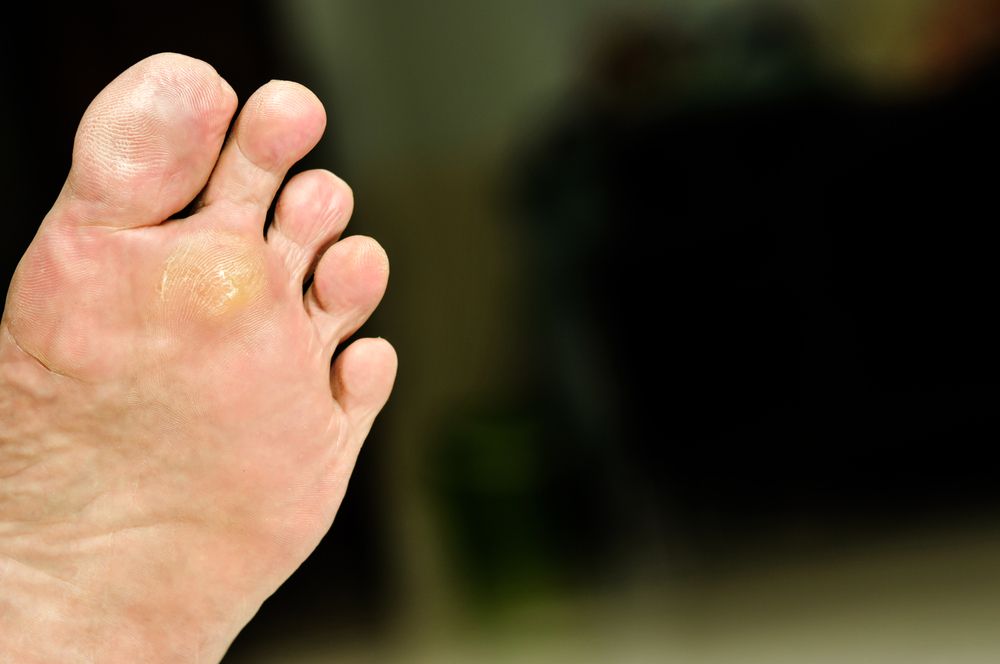
Some people naturally sweat more than others, and when it comes to the feet, this can become a constant and embarrassing issue. Plantar hyperhidrosis is a medical condition characterized by excessive sweating in the soles of the feet, often without any obvious trigger like heat or exercise. People with this condition can soak through socks in minutes, creating a consistently moist environment perfect for bacterial and fungal growth. This type of sweat is usually more acidic, which can intensify the odor. Hyperhidrosis often starts during adolescence and can persist into adulthood, severely impacting quality of life. Besides the physical discomfort, sufferers often deal with anxiety about removing their shoes in public or participating in social situations where foot odor might be noticed. Treating hyperhidrosis isn’t just about odor—it's about restoring peace of mind.
We often underestimate the impact of what we put on our feet, but shoes and socks play a huge role in determining how much your feet sweat—and how badly they smell. Footwear made from synthetic materials like nylon, plastic, or vinyl doesn’t allow the feet to breathe, trapping heat and moisture inside. Shoes that don’t fit well or are worn without socks can create friction that damages the skin, providing even more food for bacteria. Worse yet, many people wear the same shoes day after day without giving them time to air out, effectively turning them into reusable petri dishes. Socks made from synthetic fibers also contribute to the problem by holding moisture close to the skin instead of wicking it away. Upgrading your footwear choices to breathable, natural materials like cotton, wool, or leather can make a world of difference in managing foot odor.
It’s easy to assume that a quick rinse in the shower is enough to keep your feet clean, but in reality, the feet require targeted hygiene to prevent odor. Most people neglect to thoroughly wash or exfoliate their feet, missing key areas like between the toes or under the nails where bacteria and dead skin love to hide. Simply letting soapy water run over your feet isn’t enough—you need to actively scrub, dry, and moisturize them daily. Foot hygiene also includes regularly trimming your toenails, removing hard skin, and changing socks at least once a day. If you tend to sweat a lot, using foot powders or antiperspirant sprays can help keep the moisture at bay. The truth is, smelly feet are often a sign of lazy habits, but they’re easy to fix with a little extra effort and consistency.
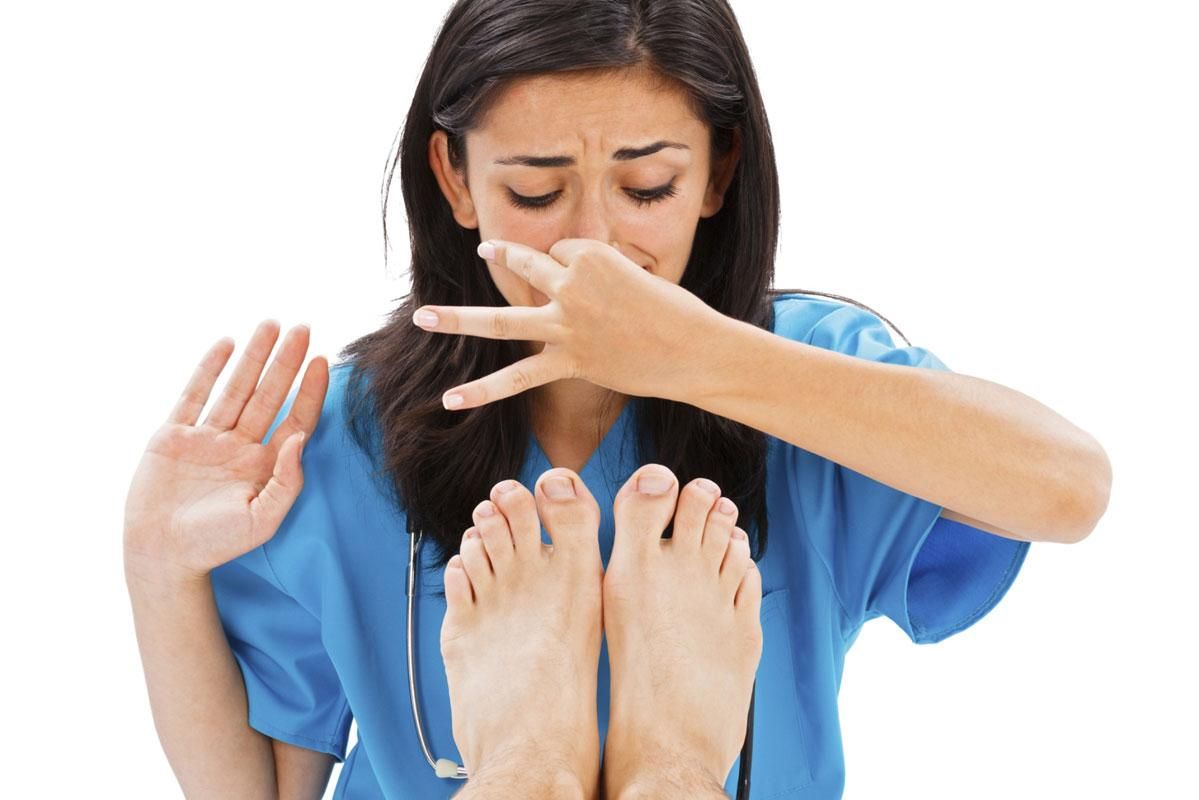
Hormones are the silent saboteurs of your sweat levels. During puberty, pregnancy, or other hormonal shifts, the body produces more androgens, which directly stimulate sweat gland activity—especially in areas like the feet, palms, and underarms. That’s why teenagers often struggle with foot odor despite good hygiene. Similarly, women going through pregnancy or menopause may suddenly find themselves dealing with stronger smells and wetter socks. Emotional stress can also play a surprising role in foot odor. When you're anxious or nervous, your body activates the sympathetic nervous system, releasing a rush of sweat from your eccrine glands. This stress-induced sweat tends to be saltier and more potent, creating a feast for odor-causing bacteria. So yes, your feet can literally smell worse when you're stressed out—and no, it’s not all in your head.
Sometimes, the cause of smelly feet goes deeper than bacteria and sweat. Persistent or unusually foul foot odor can be a sign of a medical issue that needs attention. Diabetes, for example, can impair circulation and lead to infections that cause strong, unpleasant smells. Thyroid disorders may also alter your metabolism and sweat patterns, while kidney or liver dysfunction can cause your body to release different odors through the skin. One particularly rare but fascinating condition is trimethylaminuria, also known as fish odor syndrome, where the body is unable to break down certain compounds, resulting in a strong, fishy smell from sweat, breath, and urine. If your foot odor has changed drastically or doesn’t improve with hygiene, it might be time to investigate deeper health issues with your doctor.
Managing foot odor starts with treating your feet like they matter. That means giving them the same level of care and attention you’d give your face or hands. Wash your feet thoroughly every day, using antibacterial soap and a scrub brush or cloth. Dry them well—especially between the toes—before putting on socks or shoes. Exfoliate regularly to remove dead skin, and moisturize to prevent cracking, which can harbor bacteria. Choose breathable socks and rotate your shoes daily, giving each pair time to dry out. If excessive sweating is the issue, consider foot-specific antiperspirants or prescription treatments for hyperhidrosis. And if nothing seems to work, don’t ignore it—persistent odor could be a sign of an underlying condition that needs medical care.
Foot odor might seem like a petty problem, but it carries a message your body wants you to hear. It’s more than an inconvenience—it can reveal clues about your hygiene, habits, stress levels, and even your internal health. The good news is that most cases are preventable and treatable with the right combination of care, awareness, and lifestyle adjustments. So, next time your feet start sending out smoke signals, don’t just mask the smell—listen to what they’re trying to tell you. Because healthy feet don’t just look good—they smell like victory.






0 comments