
Your Read is on the Way
Every Story Matters
Every Story Matters
The Hydropower Boom in Africa: A Green Energy Revolution Africa is tapping into its immense hydropower potential, ushering in an era of renewable energy. With monumental projects like Ethiopia’s Grand Ethiopian Renaissance Dam (GERD) and the Inga Dams in the Democratic Republic of Congo, the continent is gearing up to address its energy demands sustainably while driving economic growth.
Northern Kenya is a region rich in resources, cultural diversity, and strategic trade potential, yet it remains underutilized in the national development agenda.

Can AI Help cure HIV AIDS in 2025

Why Ruiru is Almost Dominating Thika in 2025

Mathare Exposed! Discover Mathare-Nairobi through an immersive ground and aerial Tour- HD

Bullet Bras Evolution || Where did Bullet Bras go to?
In many parts of the world, especially in Africa, Asia, and the Caribbean, skin bleaching is a booming industry fueled by societal ideals of beauty that favor lighter skin tones. From creams to soaps and injections, bleaching products are widely available—and dangerously unregulated in some regions. While they may offer temporary lightening effects, the long-term consequences are often irreversible, painful, and sometimes life-threatening.
Skin bleaching agents are chemical substances that reduce the concentration or production of melanin—the pigment that gives skin its color. Common ingredients include hydroquinone, mercury compounds, corticosteroids, and glutathione.
These chemicals disrupt melanin synthesis, leading to lighter skin. However, they do not change skin tone permanently and can damage the skin's natural structure and protective barriers when used frequently or improperly.
The most immediate danger of using bleaching products is skin damage. Long-term use of harsh chemicals like hydroquinone and mercury can thin the skin, cause burns, or lead to a condition called ochronosis, where the skin becomes dark and leathery—ironically, the opposite of the desired effect.
Other common issues include:
-Acne breakouts caused by clogged pores and inflammation
-Increased sensitivity to sunlight, leading to faster aging and more burns
-Stretch marks and skin thinning from corticosteroid-based creams
-Delayed wound healing, which makes the skin more vulnerable to infection
In severe cases, mercury-based products can be absorbed into the bloodstream, poisoning the kidneys and nervous system.
While many people focus on external results, bleaching agents can wreak havoc internally too. Products absorbed through the skin may affect internal organs like the liver and kidneys.
Continuous use can lead to mercury toxicity, which damages the central nervous system and causes tremors, memory loss, and even organ failure. Some steroids used in bleaching products can disrupt hormonal balances, resulting in reproductive issues, menstrual irregularities, or weakened immunity.
Beyond the physical harm, skin bleaching often reflects deeper psychological and cultural pressures. People who bleach may suffer from low self-esteem, internalized racism, or the belief that lighter skin guarantees better social or economic status.
The process can become addictive, as users constantly chase lighter skin despite mounting side effects. The societal stigma surrounding darker complexions needs to be addressed to combat the root of this issue.
Bleaching is not just a personal choice—it’s a response to deeply embedded beauty standards promoted through media, advertising, and even family traditions. Celebrities and influencers endorsing skin-lightening products amplify these ideals, especially when they appear to achieve “flawless” skin through these means.
Unfortunately, many overlook the harsh realities behind the marketing: irreversible skin damage, health complications, and the mental burden of chasing unrealistic standards.
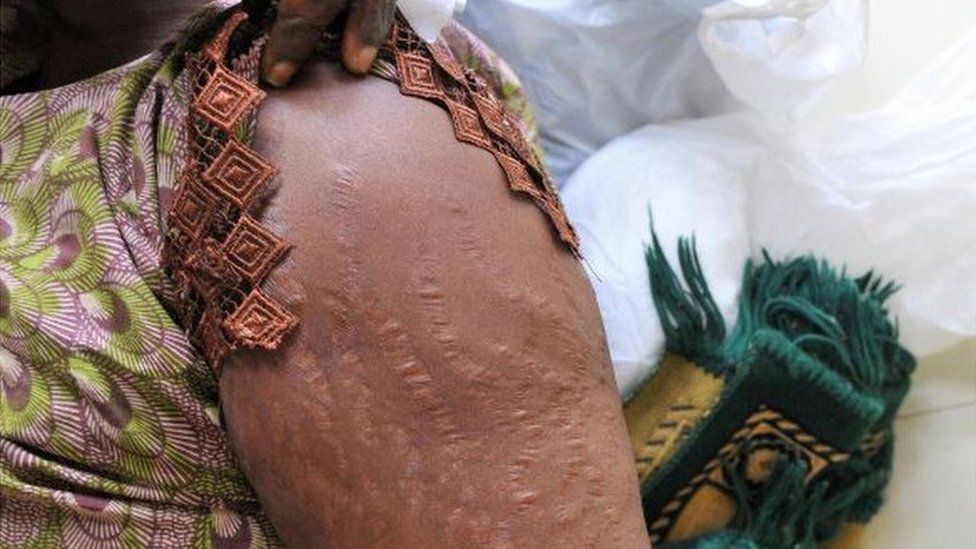
Some governments have taken action by banning products containing mercury and hydroquinone, but enforcement is inconsistent. The underground market still thrives, with products being smuggled, mislabeled, or homemade without regulation. Education and public health campaigns are essential to inform users about the risks and encourage safer, self-affirming alternatives.
Healthy skin isn't about being lighter—it's about being well cared for. People looking to improve their skin’s appearance should turn to dermatologists and trusted skincare routines that focus on hydration, sun protection, and nutrition. Embracing one’s natural tone through proper skincare and positive self-image can deliver far better long-term results than dangerous bleaching methods.
Skin bleaching may appear as a solution to aesthetic insecurity, but the consequences are real, painful, and often permanent. It’s time to challenge the deep-seated beliefs that drive people to damage their bodies for acceptance.
True beauty comes from health, confidence, and self-respect—not from dangerous chemicals that promise false transformations. Shifting the conversation toward embracing diverse skin tones and promoting safe skincare practices is the only way forward.






0 comments