
Your Read is on the Way
Every Story Matters
Every Story Matters
The Hydropower Boom in Africa: A Green Energy Revolution Africa is tapping into its immense hydropower potential, ushering in an era of renewable energy. With monumental projects like Ethiopia’s Grand Ethiopian Renaissance Dam (GERD) and the Inga Dams in the Democratic Republic of Congo, the continent is gearing up to address its energy demands sustainably while driving economic growth.
Northern Kenya is a region rich in resources, cultural diversity, and strategic trade potential, yet it remains underutilized in the national development agenda.

Can AI Help cure HIV AIDS in 2025

Why Ruiru is Almost Dominating Thika in 2025

Mathare Exposed! Discover Mathare-Nairobi through an immersive ground and aerial Tour- HD

Bullet Bras Evolution || Where did Bullet Bras go to?
Mpox, formerly called monkeypox, is a viral disease caused by the mpox virus, part of the Orthopoxvirus family—the same group that includes smallpox. While mpox has historically been confined to Central and West Africa, recent outbreaks have emerged globally, raising concerns about its spread and impact.
Mpox is primarily a zoonotic infection, meaning it jumps from animals to humans. Transmission occurs through:
1.Animal-to-human contact: Bites, scratches, or direct exposure to the blood, bodily fluids, or lesions of infected animals such as rodents, squirrels, or primates.
2.Human-to-human transmission: This mainly happens through prolonged close contact involving:
-Respiratory droplets during face-to-face interaction.
-Direct contact with the skin lesions or bodily fluids of an infected person.
-Contact with contaminated objects like clothing, bedding, or surfaces.
3.Sexual transmission: Emerging evidence suggests intimate contact, including sexual activity, can transmit the virus, especially due to lesions in the genital area.
Symptoms usually appear 5 to 21 days after exposure and typically begin with a flu-like illness, including:
1.Fever and chills
2.Headache and muscle aches
3.Fatigue and exhaustion
4.Swollen lymph nodes (a key symptom differentiating mpox from smallpox)
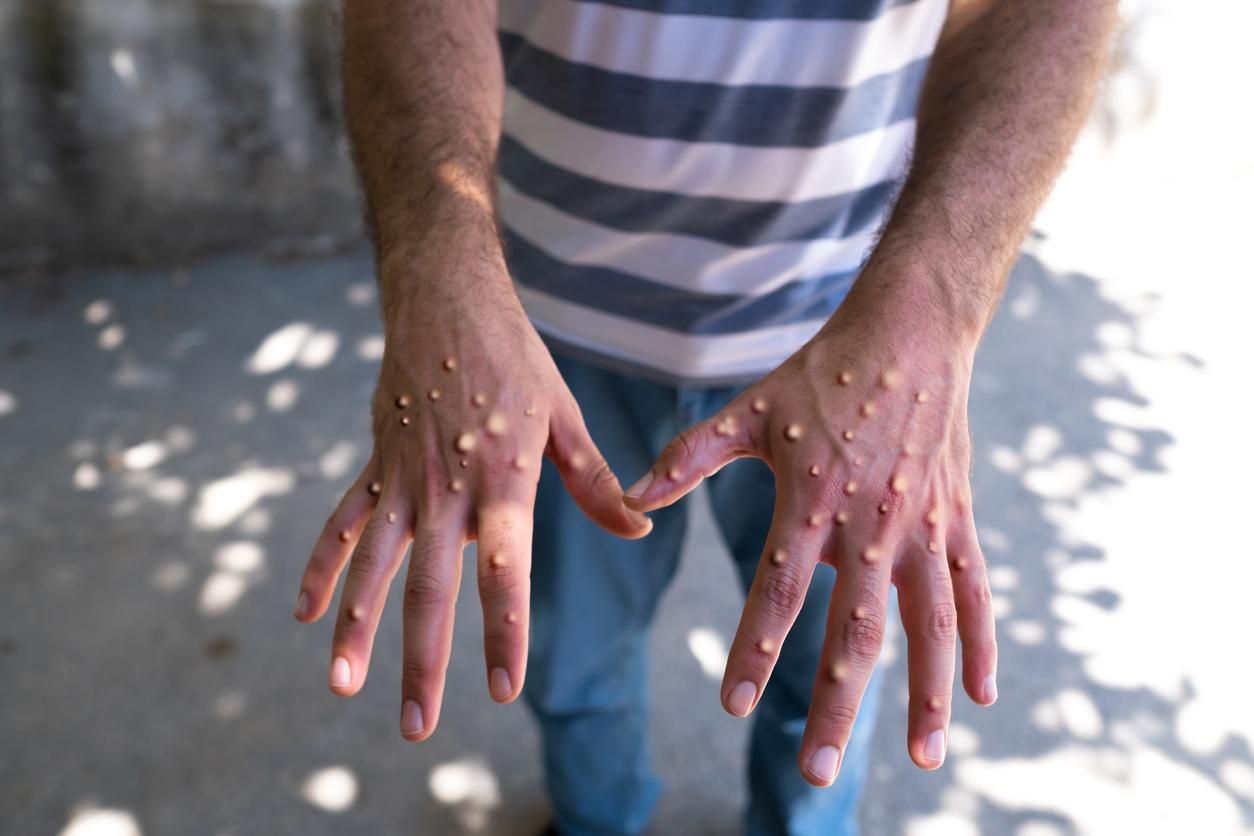
Within 1 to 3 days after the onset of fever, a distinctive rash develops. This rash progresses through several stages:
1.Macules (flat red spots)
2.Papules (raised bumps)
3.Vesicles (fluid-filled blisters)
4.Pustules (pus-filled lesions)
The lesions eventually crust over and fall off after 2 to 4 weeks. The rash commonly affects the face, hands, feet, and genital areas. Though most patients recover without complications, severe cases may lead to bacterial infections, respiratory difficulties, or neurological issues.
Accurate diagnosis is essential for effective management and outbreak control. Mpox is diagnosed primarily through:
1.PCR (Polymerase Chain Reaction) testing: The most reliable method, involving samples from skin lesions.
2.Serological tests: These detect antibodies but are less commonly used due to cross-reactivity with other poxviruses.
3.Clinical evaluation: Doctors assess symptoms and rash patterns for initial diagnosis.
There is no specific, universally approved antiviral treatment for mpox. Patient care focuses on:
1.Relieving symptoms such as fever and pain
2.Preventing secondary infections
3.Maintaining hydration and nutrition
In severe or high-risk cases, antiviral medications like tecovirimat, developed initially for smallpox, have shown promise and are increasingly used. Vaccines designed to protect against smallpox also provide cross-protection and are being utilized for outbreak control and post-exposure prevention.
Effective prevention requires a combination of personal and public health measures:
-Avoid contact with wild animals that could harbor the virus.
-Practice frequent handwashing with soap and water or use alcohol-based sanitizers.
-Isolate infected individuals to minimize transmission.
-Use personal protective equipment (PPE) when caring for patients.
-Avoid sharing bedding, clothing, or utensils with infected persons.
-Vaccinate high-risk groups, healthcare workers, and contacts during outbreaks.
-Educate communities about early symptom recognition and seeking medical care.
Although mpox is generally self-limiting, recent outbreaks in non-endemic countries highlight its potential as an emerging infectious threat. Factors contributing to its spread include increased international travel, urban expansion into wildlife habitats, and possible new transmission routes such as sexual contact.
Strengthening surveillance, improving diagnostic capabilities, and ensuring access to vaccines and antivirals remain crucial to controlling future outbreaks.





0 comments