
Your Read is on the Way
Every Story Matters
Every Story Matters
The Hydropower Boom in Africa: A Green Energy Revolution Africa is tapping into its immense hydropower potential, ushering in an era of renewable energy. With monumental projects like Ethiopia’s Grand Ethiopian Renaissance Dam (GERD) and the Inga Dams in the Democratic Republic of Congo, the continent is gearing up to address its energy demands sustainably while driving economic growth.
Northern Kenya is a region rich in resources, cultural diversity, and strategic trade potential, yet it remains underutilized in the national development agenda.
Can AI Help cure HIV AIDS in 2025

Why Ruiru is Almost Dominating Thika in 2025
Mathare Exposed! Discover Mathare-Nairobi through an immersive ground and aerial Tour- HD

Bullet Bras Evolution || Where did Bullet Bras go to?
Kwale County has long faced the harsh realities of climate variability, with recurring droughts severely impacting the livelihoods of pastoralist communities. These droughts have devastated traditional livestock breeds, undermining the economic stability of families dependent on animal husbandry.
Recognizing the urgent need to adapt to these climatic pressures, Governor Fatuma Achani spearheaded a pioneering livestock program centered on distributing over 5,000 Galla goats, a breed renowned for its resilience in arid and semi-arid conditions. This strategic move is designed not only to replenish decimated herds but also to establish a sustainable, climate-adaptive farming model.
The Galla goat’s inherent drought resistance and ability to produce significant quantities of milk and meat position it as an ideal candidate for boosting food security in the region. By introducing a livestock breed specifically suited to the local environmental conditions, the county government is directly addressing the vulnerability of its communities. This initiative reflects a broader understanding of the need to align agricultural practices with ecological realities to foster long-term sustainability.
A defining feature of the goat distribution project is its emphasis on women’s economic empowerment. In many rural settings, women play a critical but often undervalued role in household food production and financial management. Recognizing this, the program deliberately targeted women’s groups, particularly the Walezi wa Mimba Women Group in Matuga Sub-County. Through the distribution of 144 high-yielding Galla goats to 24 traditional birth attendants within this group, each member received six goats, enabling them to generate income and improve nutrition within their households.
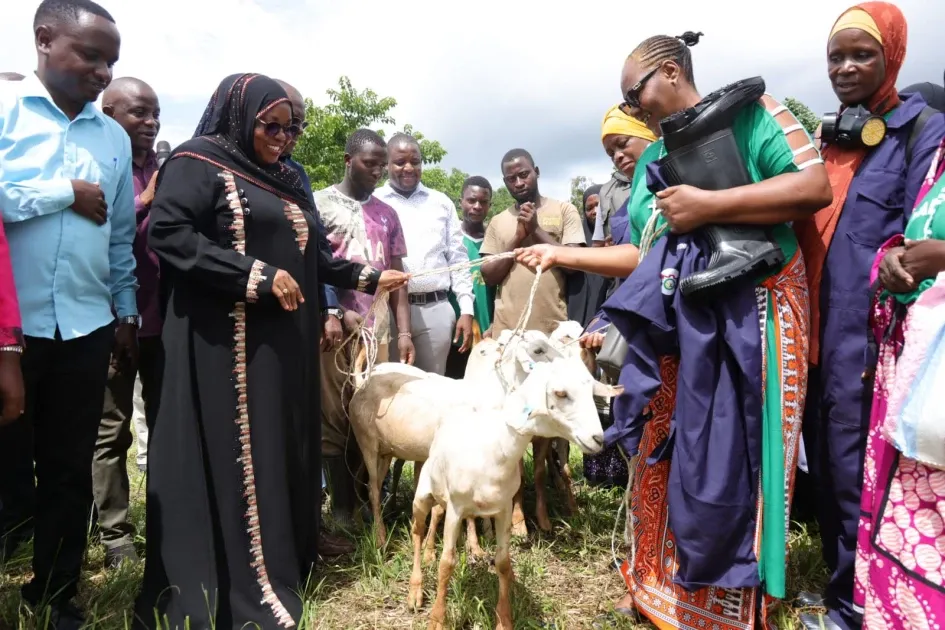
The empowerment of women through livestock ownership extends beyond immediate economic gains. It fosters greater decision-making authority for women in their communities and helps reduce gender disparities. Governor Achani’s vision aligns with this perspective, emphasizing that empowering women serves as a catalyst for broader community development. By equipping women with productive assets and technical support, the initiative promotes resilience at both the household and community levels.
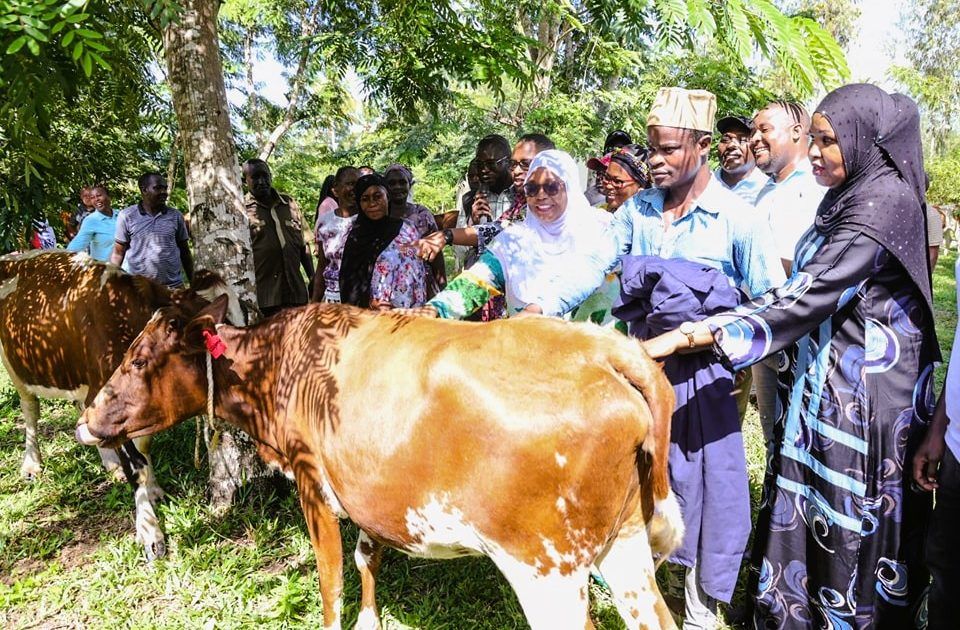
In addition to the distribution of goats, the county government collaborated with the Kenya Marine Fisheries and Socio-Economic Development (KEMFSED) project to introduce hybrid dairy cows to small-scale farmers. These cows are capable of producing up to 12 liters of milk daily, representing a significant boost to local dairy production. The introduction of dairy cattle complements the goat initiative by diversifying income streams and enhancing nutrition through increased milk availability.
Beneficiaries of this program received not only the animals but also essential support packages, including personal protective equipment, vaccines, starter feed, and breeding materials. This comprehensive approach ensures that farmers are well-prepared to manage their livestock effectively, reducing mortality rates and maximizing productivity. The synergy between goat rearing and dairy farming creates a more resilient agricultural ecosystem capable of withstanding climatic shocks and market fluctuations.
Kwale County’s livestock initiative stands as a compelling model for sustainable agricultural development in regions prone to drought and environmental stress. By integrating climate-smart livestock breeds with targeted social interventions—especially those focused on women’s empowerment—the program addresses multiple dimensions of rural poverty simultaneously. This holistic approach enhances food security, boosts household incomes, and builds adaptive capacity within vulnerable communities.
As climate change continues to challenge traditional agricultural systems, innovative programs such as this are crucial. The initiative not only preserves livelihoods but also promotes environmental stewardship by encouraging the use of livestock breeds suited to local conditions. Such strategies are essential to ensuring the resilience and sustainability of rural economies in the face of evolving climatic uncertainties.
The success of the goat distribution and dairy cattle programs is also rooted in the thorough support extended to beneficiaries. Livestock recipients receive training on animal husbandry, health management, and sustainable breeding practices, equipping them with the knowledge necessary for long-term success. This technical assistance helps ensure that the animals remain healthy and productive, thereby securing steady sources of food and income.
Moreover, the initiative’s inclusive nature, targeting marginalized groups and women, fosters social cohesion and reduces inequalities within rural communities. It demonstrates that development interventions, when thoughtfully designed, can achieve multiple social, economic, and environmental objectives. Over time, these programs are expected to contribute to a stronger, more self-reliant rural population, capable of adapting to and thriving under challenging conditions.





0 comments