
Your Read is on the Way
Every Story Matters
Every Story Matters
The Hydropower Boom in Africa: A Green Energy Revolution Africa is tapping into its immense hydropower potential, ushering in an era of renewable energy. With monumental projects like Ethiopia’s Grand Ethiopian Renaissance Dam (GERD) and the Inga Dams in the Democratic Republic of Congo, the continent is gearing up to address its energy demands sustainably while driving economic growth.
Northern Kenya is a region rich in resources, cultural diversity, and strategic trade potential, yet it remains underutilized in the national development agenda.

Can AI Help cure HIV AIDS in 2025

Why Ruiru is Almost Dominating Thika in 2025

Mathare Exposed! Discover Mathare-Nairobi through an immersive ground and aerial Tour- HD

Bullet Bras Evolution || Where did Bullet Bras go to?
Kenya’s prison department promotions system faces a serious credibility test after leading human rights activists, Peter Agoro and Henry Muriithi, challenged new promotion policies in court.
Their grievance? Serving constables are now required to hold a master’s degree and have ten years of experience to qualify for promotion to inspector of prisons, while cadets — new recruits from the public — only need an undergraduate degree.
Agoro and Muriithi argue that this system is a fundamental betrayal of equality and fairness. They believe that hardworking officers, many with years of dedication, should not be blocked by academic requirements that favor newcomers over veterans.
The legal petition is a wake-up call, not just for the Commissioner of Prisons, but for Kenya’s entire public sector on issues of justice, opportunity, and transparent career progression.
The courageous step taken by these human rights activists has exposed the double standards within Kenya’s prison department promotions. They argue that academic requirements must be standardized to uphold equality and fairness among all officers.
They demand that promotions reflect both education and hands-on experience — not create a two-tier system that punishes loyalty.
Their activism also highlights broader concerns about the Kenya Correctional Service Bill, which proposes sweeping reforms to align Kenya’s prison services with international standards, but may also entrench discrimination if promotion policies remain biased.
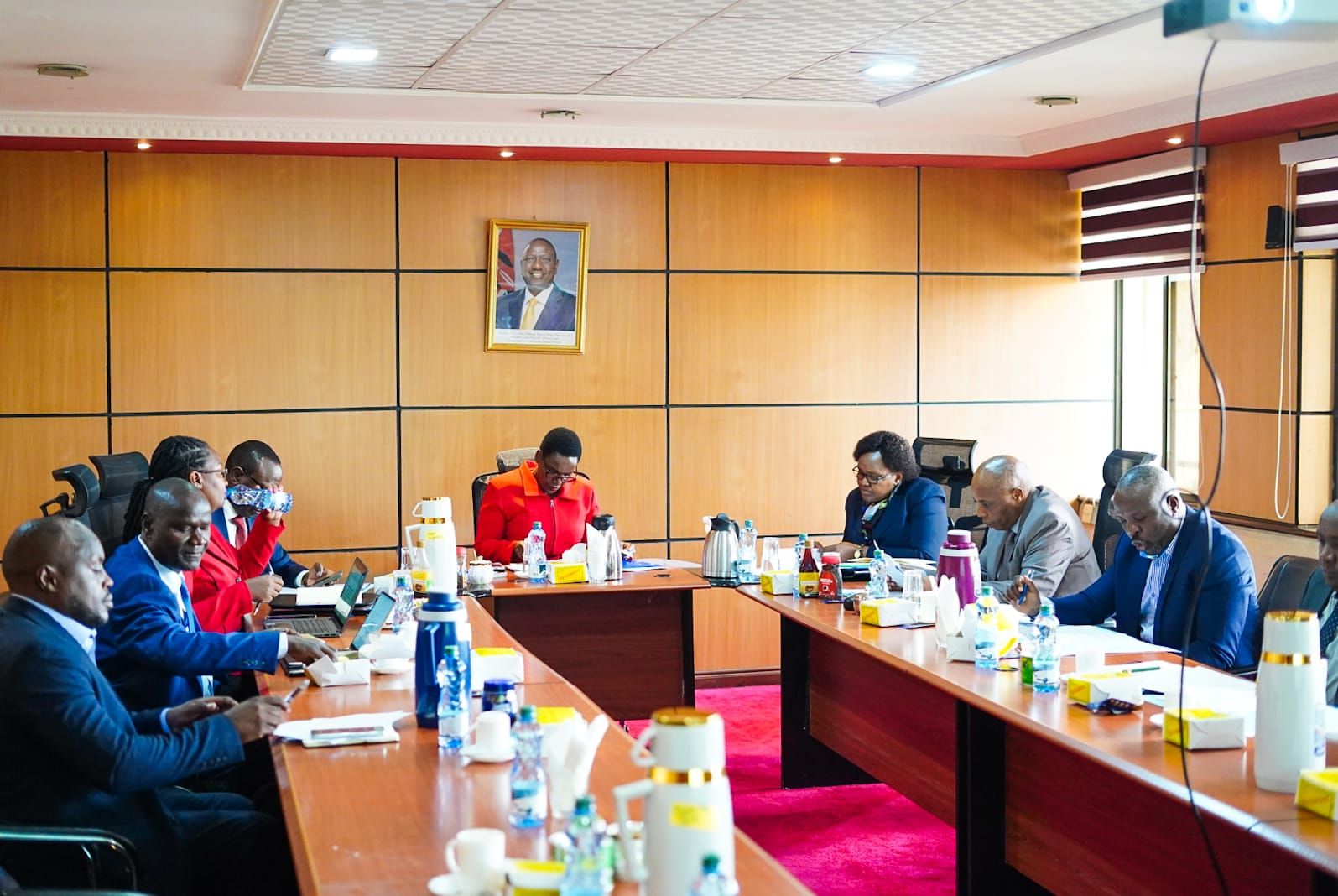
In an attempt to calm tensions, the Commissioner of Prisons abolished academic qualifications for promotions altogether. However, this move only intensified the controversy.
Agoro and Muriithi blasted the decision as reckless, warning that removing academic requirements completely threatens professionalism. Without clear standards, promotions could become arbitrary — based more on favoritism than merit.
This clash exposes a deeper risk: dismantling meritocracy within Kenya’s prison system could erode public trust and operational effectiveness.
The issues around prison department promotions are not isolated. They link directly to the structure of Kenya’s correctional system:
How many prisons are there in Kenya?
Kenya has approximately 129 prisons, including remand centers, women's prisons, and maximum security facilities.
What are the 5 categories of prisons in Kenya?
Kenya’s prisons are classified into:
Maximum Security Prisons
Medium Security Prisons
Minimum Security Prisons
Borstal Institutions (for juvenile offenders)
Youth Corrective Training Centres
Which ministry is Kenya prisons under?
The Kenya Prisons Service falls under the Ministry of Interior and National Administration.
What are the requirements for Kenya prisons?
To join, candidates must be Kenyan citizens aged 18–28, possess a minimum KCSE D+ (plus) grade, and pass rigorous physical and medical tests.
What is the starting salary for Kenya prisons?
A newly recruited constable earns between KSh 22,000 and KSh 35,000 per month, excluding allowances.
How long is prisons training?
Training lasts about 9 months at the Kenya Prisons Staff Training College in Ruiru.
How long do inmates workout?
Inmates typically participate in 1 to 2 hours of supervised physical exercise daily, depending on the prison’s resources and programs.
How to become a police officer in Kenya?
Similar to prison officers, applicants must meet strict physical, academic, and character criteria before undergoing a 9-month training course under the National Police Service.
Promotions are not just rewards — they shape the morale, professionalism, and leadership of Kenya’s entire correctional system.
The abolition of academic requirements without consultation risks creating a meritocracy void — where promotions might depend on favoritism, connections, or political pressure, rather than on competence.
Equality and fairness must be the guiding principles behind any reforms — or else the credibility of Kenya’s prison system will continue to erode.
Kenya’s courts have stepped in to review the petition by human rights activists. Their intervention provides a glimmer of hope that the promotion process can be reformed in a way that respects academic requirements, values experience, and restores equality and fairness across the board.
The judiciary’s stance on prison department promotions could set a historic precedent for transparent governance across the civil service.
Agoro and Muriithi are calling for the formation of an independent review committee — comprising civil society, legal experts, correctional officers, and community leaders — to recommend a sustainable, fair promotion structure.
This moment is bigger than a court case. It’s a chance to redefine how Kenya promotes, rewards, and respects its civil servants — starting with its prison officers.






1 comment
edc001
12mo ago
Let us see how things unfold