
Your Read is on the Way
Every Story Matters
Every Story Matters
The Hydropower Boom in Africa: A Green Energy Revolution Africa is tapping into its immense hydropower potential, ushering in an era of renewable energy. With monumental projects like Ethiopia’s Grand Ethiopian Renaissance Dam (GERD) and the Inga Dams in the Democratic Republic of Congo, the continent is gearing up to address its energy demands sustainably while driving economic growth.
Northern Kenya is a region rich in resources, cultural diversity, and strategic trade potential, yet it remains underutilized in the national development agenda.

Can AI Help cure HIV AIDS in 2025

Why Ruiru is Almost Dominating Thika in 2025

Mathare Exposed! Discover Mathare-Nairobi through an immersive ground and aerial Tour- HD

Bullet Bras Evolution || Where did Bullet Bras go to?
President William Ruto is not just building runways—he’s carving out a new path for Kenya’s global presence. At the heart of this vision lies the plan to construct an international airport in Narok, a county known for its cultural heritage and world-famous Maasai Mara Reserve. This isn’t a pet project. It’s a calculated move to unlock the full economic and environmental potential of a region that’s long been underserved by infrastructure.
Narok isn’t just another stop on the map. It’s a strategic entry point to one of Africa’s most iconic destinations, and Ruto’s administration is betting that with the right runway, the region can take off—literally and economically.
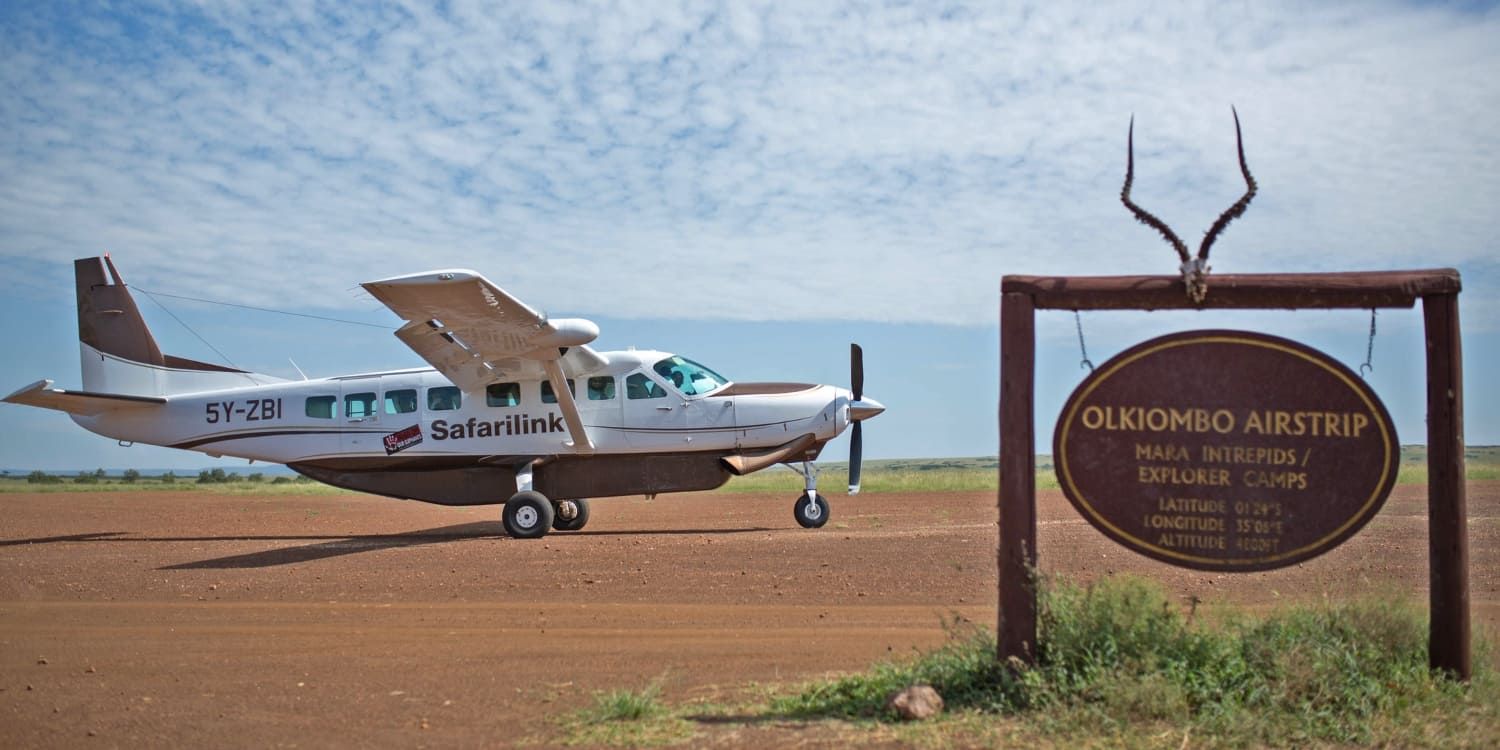
At the core of this project is one of Kenya’s crown jewels: the Maasai Mara. Every year, the Great Migration draws thousands of tourists to witness one of the planet’s most spectacular wildlife phenomena. But most international visitors must land in Nairobi or Kisumu and endure hours of road travel—or hop on small, scattered airstrips that lack the efficiency and coordination of a proper international terminal.
A full-scale airport in Narok would change that overnight. With direct international flights, global travelers could fly into the heart of safari country without the logistical hassles, boosting Kenya’s appeal in a competitive global tourism market. It would redefine convenience, turning a journey that once took hours into a quick touch down into the wild.
While the Maasai Mara may be the poster child for this project, the benefits are expected to ripple far beyond tourism. Narok’s economy relies heavily on agriculture, livestock, and small-scale trade—sectors that have long struggled to scale due to poor connectivity and limited access to export markets.
An international airport could transform local businesses by opening channels for airfreight exports. Farmers and pastoralists would gain faster, more reliable access to national and international markets. The result? Higher income, better livelihoods, and more robust rural economies. Jobs wouldn’t just come from the airport itself—they’d grow from the infrastructure web it would weave across Narok and beyond.
Some critics have expressed concern about how increased tourism traffic might impact the delicate ecosystem of the Maasai Mara. But this project may offer a surprising solution. By concentrating traffic through a single, well-managed airport outside the reserve, the plan would reduce the environmental strain caused by the dozens of small airstrips currently dotting the landscape.
That means fewer planes buzzing overhead in conservation zones, less fuel waste from inefficient routes, and better coordination of tourist flows. Done right, the Narok airport could be a case study in how infrastructure can support—not sabotage—conservation efforts.
Ruto’s administration has made it clear: development must reach every corner of the country, not just the urban elite. The Narok airport is a high-stakes symbol of that promise. It sends a message that even remote, rural counties deserve the tools of global connectivity.
It’s also a political move to consolidate support in a region that has historically felt sidelined. Delivering a project of this scale would demonstrate the government’s commitment to spreading economic opportunity—and winning long-term loyalty from local constituencies.
The airport isn’t built yet, but the wheels are already in motion. Feasibility studies, land acquisition, environmental assessments—these are the next frontiers. If all goes to plan, construction could begin within Ruto’s term, with the first flights taking off in the next few years.
The question now is whether the vision can survive Kenya’s notorious bottlenecks: bureaucracy, corruption, and public skepticism. But if Ruto can pull it off, Narok won’t just be a dot on the map. It’ll be a dot the world flies to.





0 comments