
Your Read is on the Way
Every Story Matters
Every Story Matters
The Hydropower Boom in Africa: A Green Energy Revolution Africa is tapping into its immense hydropower potential, ushering in an era of renewable energy. With monumental projects like Ethiopia’s Grand Ethiopian Renaissance Dam (GERD) and the Inga Dams in the Democratic Republic of Congo, the continent is gearing up to address its energy demands sustainably while driving economic growth.
Northern Kenya is a region rich in resources, cultural diversity, and strategic trade potential, yet it remains underutilized in the national development agenda.

Can AI Help cure HIV AIDS in 2025

Why Ruiru is Almost Dominating Thika in 2025

Mathare Exposed! Discover Mathare-Nairobi through an immersive ground and aerial Tour- HD

Bullet Bras Evolution || Where did Bullet Bras go to?
Nairobi, a city that pulses with ambition and diversity, has grown from a modest railway outpost into a vibrant metropolis of over four million residents. As Kenya’s economic, cultural, and political epicenter, the city continues to attract thousands of new inhabitants each year, drawn by the lure of opportunity, education, and a brighter future. However, this rapid urbanization has created stark contrasts—where thriving commerce coexists with deep-seated poverty, and modern infrastructure meets unplanned settlements.
At the heart of Nairobi’s ever-evolving landscape are six of its most densely populated neighborhoods: Eastleigh, Kibera, Embakasi, Mathare, Kasarani, and Githurai. Each of these areas tells a unique story—some are booming business hubs, others are informal settlements fighting against socio-economic hardships, while a few straddle the fine line between growth and struggle. Together, they form a mosaic of Nairobi’s challenges, resilience, and boundless potential.
Eastleigh, once a quiet residential suburb, has transformed into Nairobi’s leading trade and commerce hub. Nicknamed “Little Mogadishu” due to its predominantly Somali population, Eastleigh is a melting pot where Kenyan, Ethiopian, Ugandan, and even Chinese businesses thrive.
The neighborhood’s meteoric rise began in the 1990s when an influx of Somali refugees brought with them a sharp business acumen, rapidly turning Eastleigh into the wholesale capital of Nairobi. Today, traders from across Kenya flock here for textiles, electronics, and imported goods at competitive prices.

However, Eastleigh’s prosperity has outpaced its infrastructure. Roads are congested, sanitation is insufficient, and security concerns—including financial fraud and smuggling allegations—cast a shadow over its reputation. Still, Eastleigh remains a dominant force in Nairobi’s economy, a testament to the resilience and drive of its business community.
Kibera, often labeled Africa’s largest informal settlement, is home to anywhere between 250,000 to 500,000 people living under challenging conditions. Makeshift homes made of iron sheets and mud stretch across a vast, labyrinthine landscape where basic amenities like running water and proper sanitation are scarce.
Yet, Kibera is far from a place of despair. It is a cultural and creative hub, birthing some of Nairobi’s most influential artists, musicians, and activists. The spirit of enterprise thrives here, with countless informal businesses—from food vendors to barbershops—sustaining the local economy.
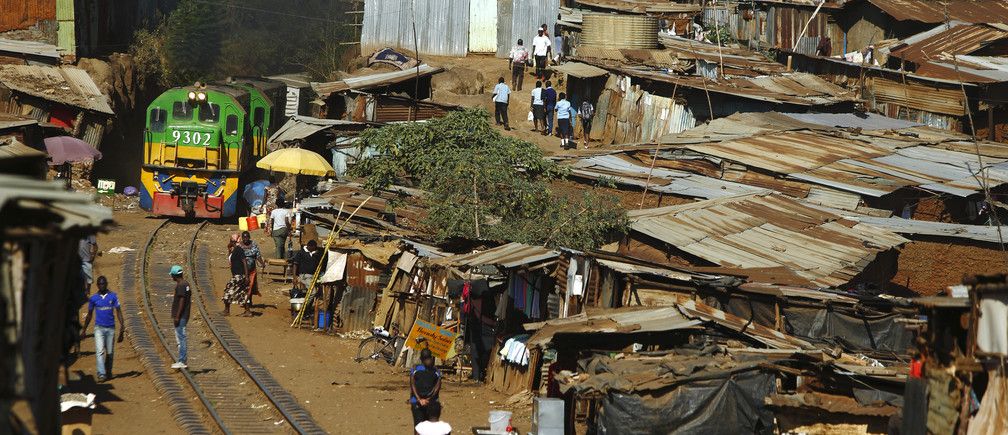
Government efforts to relocate residents into formal housing have been met with mixed reactions, as many prefer the strong community bonds of Kibera over unfamiliar apartments. As the debate over slum upgrading continues, one thing remains certain—Kibera is a neighborhood defined by resilience, ingenuity, and an unyielding spirit.
For many Nairobians seeking affordable housing, Embakasi is the go-to destination. As the largest residential constituency in the city, it accommodates over one million people, making it a crucial player in Nairobi’s rapid urban expansion.
Strategically positioned near Jomo Kenyatta International Airport, the Standard Gauge Railway terminus, and major roads, Embakasi is an ideal spot for both commuters and businesses. It also hosts industrial zones, warehouses, and factories that provide employment for thousands.
However, Embakasi’s rapid growth has created significant infrastructure challenges. Traffic congestion is a daily nightmare, public services are stretched thin, and haphazardly constructed apartments raise concerns over building safety. Despite these issues, Embakasi remains one of the most sought-after residential areas, offering affordability and accessibility in a city where both are in short supply.
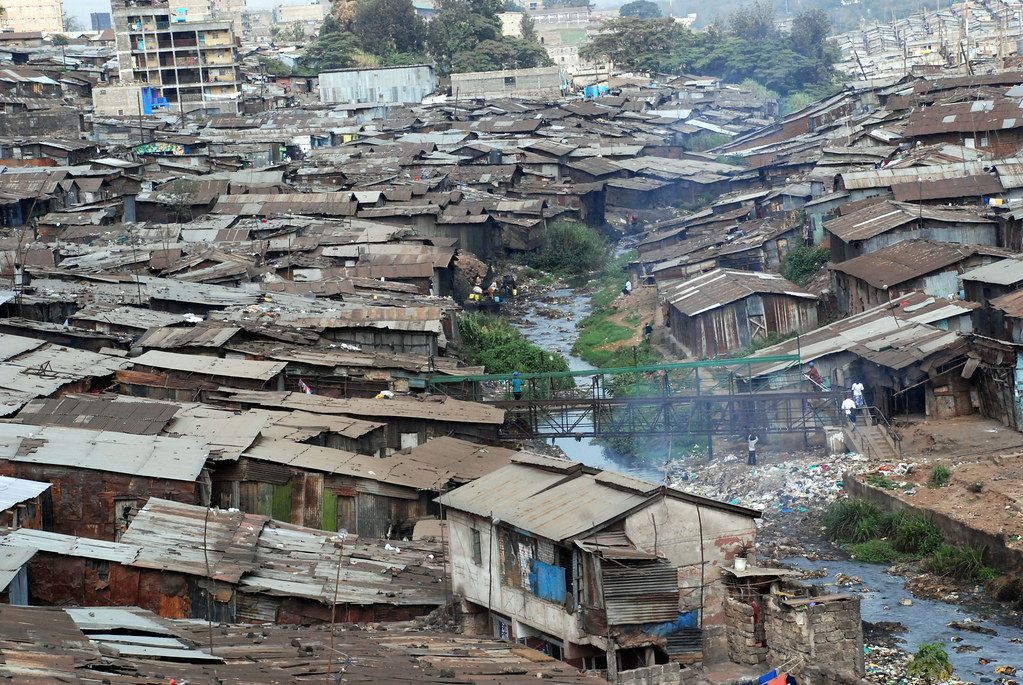
Mathare, one of Nairobi’s oldest informal settlements, is a densely populated area with a complex history of colonial oppression, poverty, and activism. Originally built to house African laborers working for the British, it has since evolved into a sprawling slum accommodating over 500,000 residents.
Mathare has long battled high crime rates, drug abuse, and gang violence, with criminal groups exerting control over sections of the neighborhood. However, it is also a hub for grassroots activism, where community-led organizations fight for better living conditions, human rights, and economic opportunities.
Efforts to improve Mathare, including slum upgrading projects, have seen slow progress. But the unyielding determination of its residents continues to push for reforms, ensuring that Mathare remains a force in Nairobi’s ongoing urban transformation.
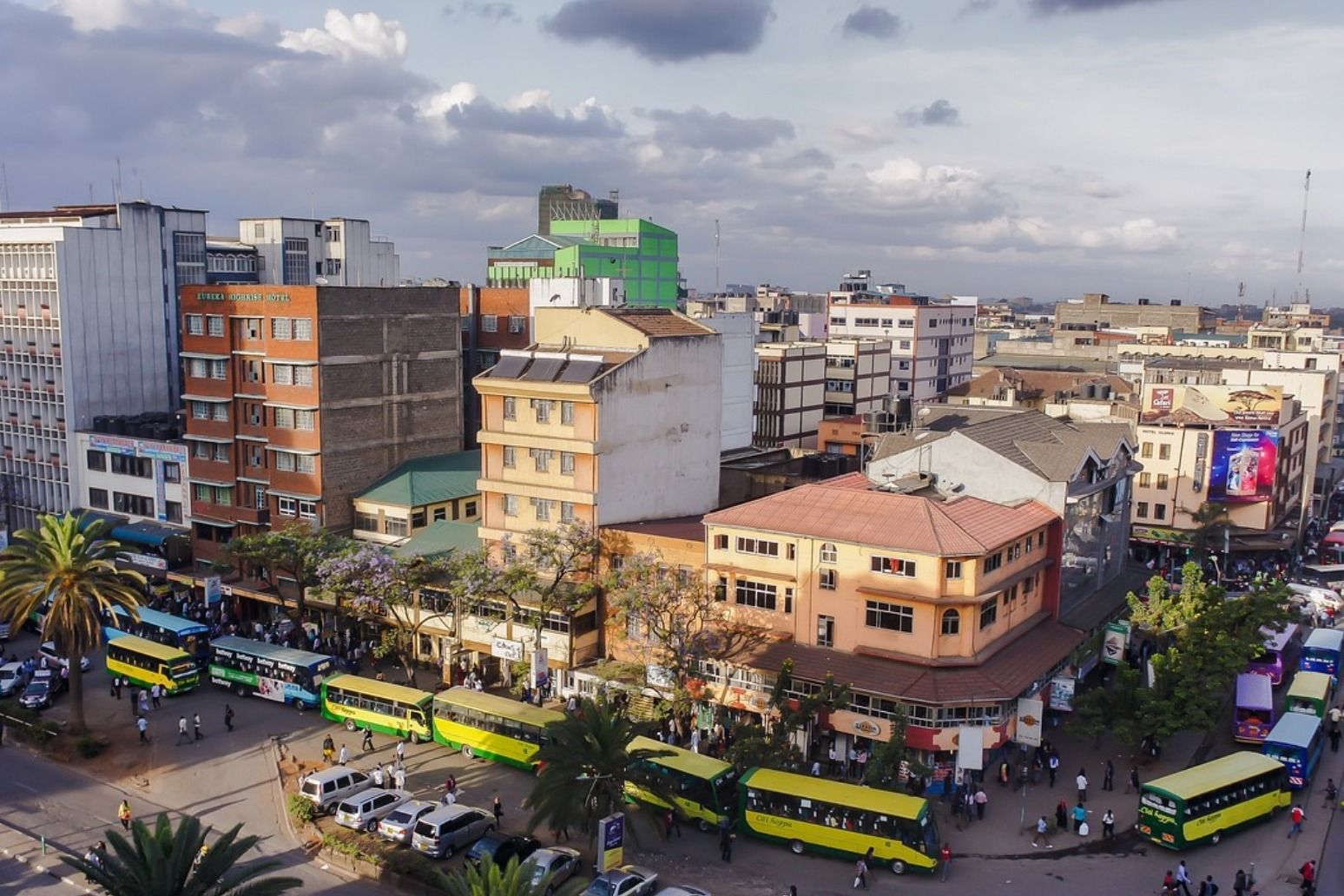
Unlike Kibera and Mathare, Kasarani stands out as one of Nairobi’s most rapidly developing middle-class residential areas. With modern apartment complexes, thriving commercial centers, and well-planned infrastructure, it offers a glimpse into Nairobi’s evolving urban future.
Kasarani’s appeal lies in its accessibility and amenities. It is home to the iconic Kasarani Stadium, a key venue for sports and entertainment, and benefits from direct links to major roads like the Thika Superhighway. Professionals, students, and business owners alike are drawn to its affordable yet modern housing options, making it a diverse and dynamic neighborhood.
Despite its modern appeal, Kasarani is not without challenges—traffic congestion and rising living costs are growing concerns. However, its continuous expansion suggests it will remain one of Nairobi’s most desirable residential and commercial zones in the years to come.
Straddling the boundary between Nairobi and Kiambu County, Githurai is a high-density, working-class neighborhood teeming with economic activity. Its bustling markets, affordable housing, and strong transport links via Thika Road make it a prime location for thousands of city workers.
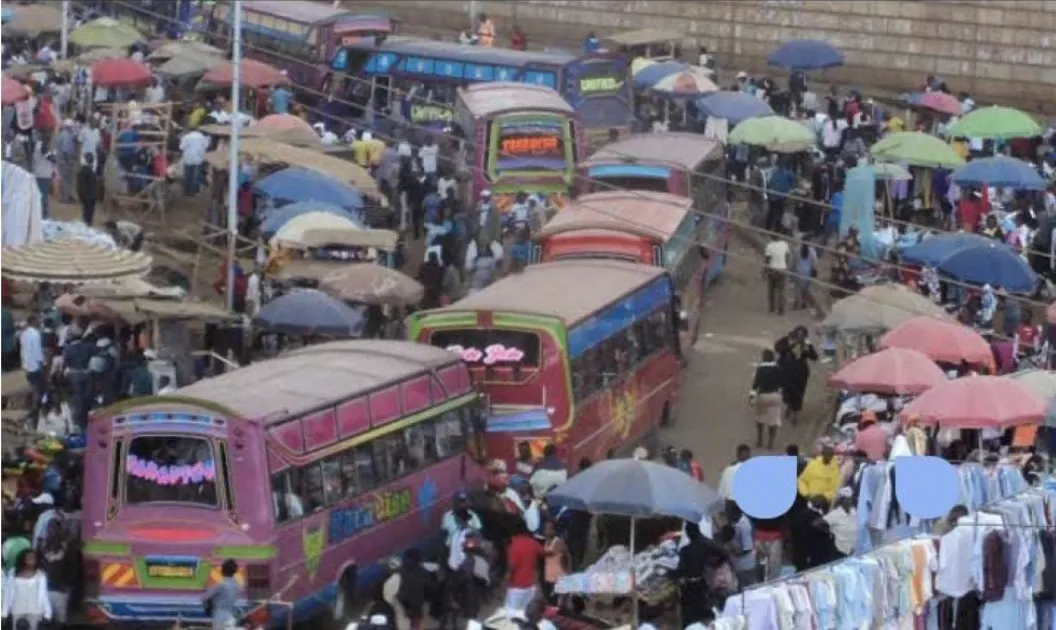
However, rapid population growth has led to overcrowding, poor waste management, and inadequate public services. While these challenges persist, Githurai’s unwavering entrepreneurial spirit ensures that it remains a key player in Nairobi’s ever-expanding urban landscape.
From the commercial dominance of Eastleigh to the unyielding resilience of Kibera, the massive residential growth of Embakasi, and the activism of Mathare, Nairobi’s most populated neighborhoods encapsulate the city’s diverse and ever-changing identity. Each one tells a different yet interconnected story of growth, struggle, opportunity, and transformation.
As Nairobi’s population continues to soar, the city faces critical questions about urban planning, infrastructure, and inclusivity. How it navigates these challenges will determine whether it flourishes into a global metropolis or succumbs to the growing pains of unchecked expansion. One thing is certain—Nairobi’s beating heart lies within these neighborhoods, and their future will shape the destiny of Kenya’s capital for generations to come.





0 comments