
Your Read is on the Way
Every Story Matters
Every Story Matters
The Hydropower Boom in Africa: A Green Energy Revolution Africa is tapping into its immense hydropower potential, ushering in an era of renewable energy. With monumental projects like Ethiopia’s Grand Ethiopian Renaissance Dam (GERD) and the Inga Dams in the Democratic Republic of Congo, the continent is gearing up to address its energy demands sustainably while driving economic growth.
Northern Kenya is a region rich in resources, cultural diversity, and strategic trade potential, yet it remains underutilized in the national development agenda.

Can AI Help cure HIV AIDS in 2025

Why Ruiru is Almost Dominating Thika in 2025

Mathare Exposed! Discover Mathare-Nairobi through an immersive ground and aerial Tour- HD

Bullet Bras Evolution || Where did Bullet Bras go to?
When President William Ruto launched the Mombasa affordable housing project over a year ago, it came with high expectations and a promise to revolutionize housing in Kenya’s coastal city. The project was part of the larger national effort to provide one million affordable homes across the country, aiming to alleviate the severe housing shortage that has left many Kenyans in precarious living conditions. Located in the upscale Nyali area, the project was designed to deliver nearly 2,000 housing units alongside essential social infrastructure like a municipal market, schools, and a Level Four hospital.
This comprehensive plan was meant to create a new, vibrant community that would uplift displaced residents and offer affordable, modern living spaces. The announcement was met with enthusiasm not only from Mombasa’s residents but also from observers who saw this as a critical step toward addressing Kenya’s deep-rooted housing crisis.
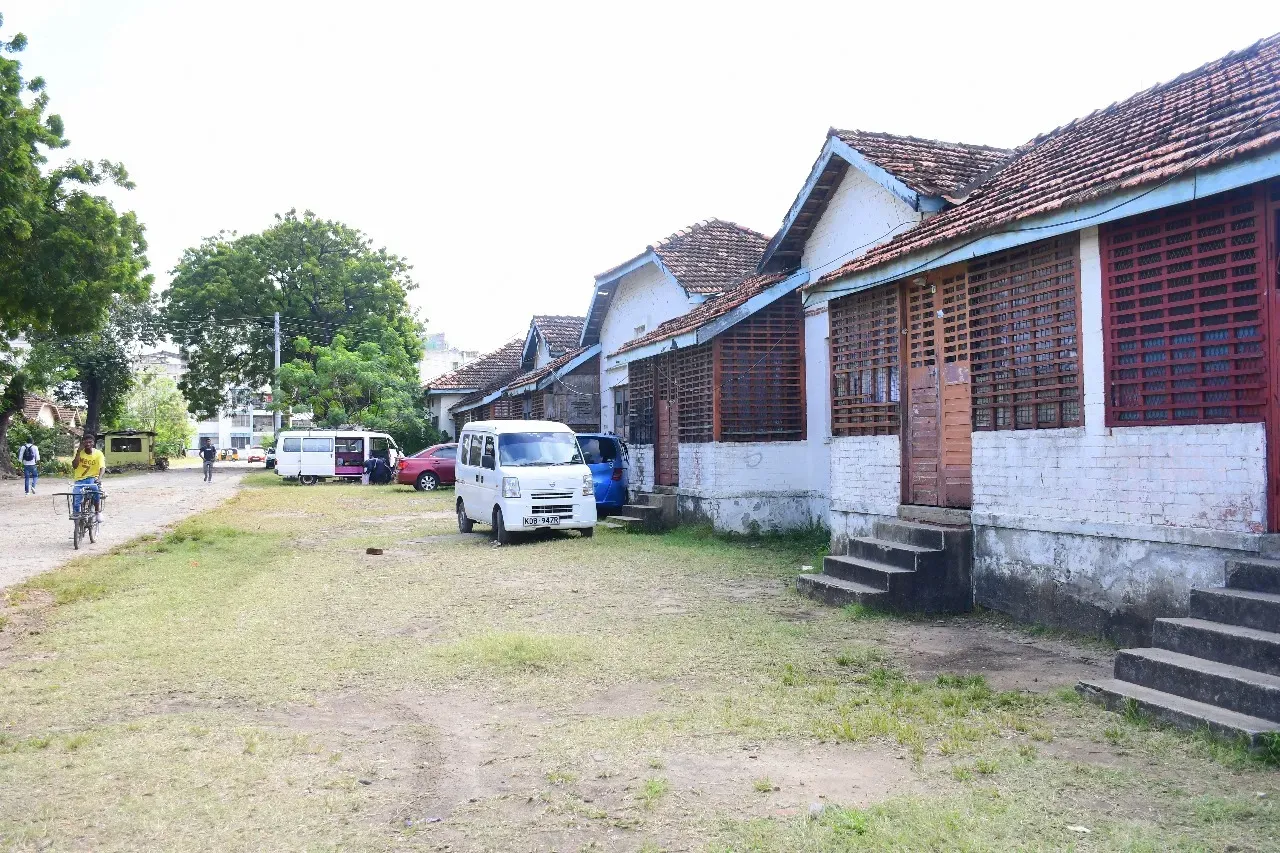
However, as the months rolled by, the initial excitement began to give way to frustration and disappointment. The once hopeful site now stands silent and largely untouched, with construction stalled for reasons that remain unclear. More disheartening is the plight of the residents who were evicted from their previous homes to make way for this development.
Many have found themselves displaced for over a year, left without alternative accommodations or clear communication from authorities about when, or even if, they will be rehoused. The grand vision of a fully functional community with markets, schools, and healthcare facilities remains a distant dream. Instead, the site resembles a ghost town, an eerie symbol of unmet promises and broken timelines. The prolonged inactivity has fueled speculation about poor planning, mismanagement, or even corruption behind the scenes, exacerbating public mistrust.
The growing dissatisfaction among the displaced residents and the wider public has spilled into organized protests and demands for accountability. Civil society groups and community leaders have voiced their outrage at the government’s failure to deliver on its commitments, accusing officials of neglect and financial mismanagement. These groups argue that while the government touted the project as a flagship achievement, on the ground, it has failed the very people it was supposed to serve.
Residents allege that evictions were carried out without adequate compensation or consultation, leaving vulnerable families in dire straits. This has not only sparked outrage but also calls for urgent government intervention to resolve the situation humanely and transparently. The sense of betrayal runs deep, as many feel that the promises of affordable, dignified housing have been replaced by empty rhetoric and political grandstanding.
The situation has escalated beyond public protests, entering the legal arena where affected residents have sought justice through the courts. Several lawsuits challenge the legality of the evictions and the government’s failure to uphold its obligations to provide alternative housing as promised. These legal challenges underscore the severity of the situation and reflect a growing crisis of governance and accountability.
The courts are now tasked with navigating complex questions about citizens’ rights, government responsibility, and the proper use of public resources. This legal pressure adds another layer of complexity to an already stalled project, creating uncertainty about its future while keeping the plight of displaced residents in the national spotlight.
The problems facing the Mombasa housing project are not isolated. Across Kenya, affordable housing initiatives are struggling to meet deadlines, with only a tiny fraction of the planned units completed nationwide. This widespread failure raises serious concerns about the government’s capacity to manage such ambitious programs and effectively tackle the housing deficit.
Critics argue that the affordable housing agenda has become entangled in political patronage, with lucrative contracts awarded to insiders rather than competent contractors, driving up costs and delaying progress.
Moreover, the soaring prices of the housing units—despite government subsidies and provision of land and materials—have made them unaffordable to many who were supposed to benefit. This disconnect between policy goals and reality has deepened public skepticism and threatens to undermine future housing projects unless transparency and efficiency improve significantly.
For now, the future of the Mombasa affordable housing project remains uncertain. The residents caught in limbo continue to wait for clear answers and concrete action, while the government faces mounting pressure to deliver tangible results. Restoring trust will require more than just promises—it demands urgent, transparent measures to resume construction, proper engagement with affected communities, and decisive efforts to root out corruption and inefficiency.
Without these steps, the dream of affordable, quality housing will remain out of reach for thousands, leaving behind a legacy of disappointment rather than progress. The Mombasa project stands as a critical test case, highlighting the challenges and stakes involved in Kenya’s broader quest to solve its housing crisis.






0 comments