










The Tragedy That No One Saw Coming
Katonde, a once-thriving village in Homa Bay County, has been reduced to a wasteland overnight. What was once a lively and resilient community is now an expanse of mud, broken homes, and shattered lives. Unlike seasonal floods that residents have learned to anticipate, this disaster was unlike anything they had ever experienced before. It struck suddenly, catching everyone off guard and leaving behind a trail of unimaginable destruction.
It began with a strange rumbling deep beneath the earth. Some villagers initially thought it was a mild earthquake or a passing tremor. But within minutes, the ground itself seemed to come alive, shaking violently before powerful jets of water burst forth from beneath their feet. The water surged with incredible force, tearing through homes, sweeping away crops, and drowning livestock. Those caught in its path barely had time to react, running for higher ground as their entire world was swallowed by the relentless flood.
For many, the trauma is still too fresh to put into words. Owino, a local farmer, recalls the horrifying moment he realized he had lost everything. "I was inside my house when the ground shook. Before I could even process what was happening, my walls caved in, and water gushed inside. I had to fight my way out while my wife and children screamed. We barely made it," he says, his voice heavy with grief. Owino had spent years cultivating a thriving maize plantation, which is now nothing more than a muddy swamp. "It's all gone. Our food, our future—everything," he adds, shaking his head.
A Struggle for Survival
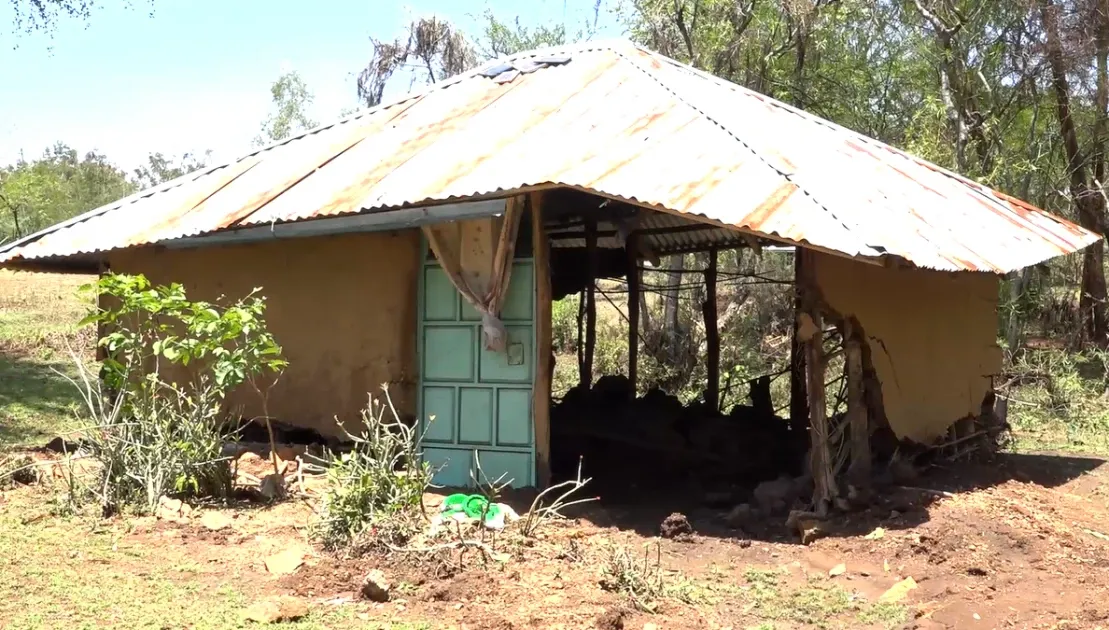
With their homes washed away and their farmland destroyed, the people of Katonde now find themselves in a desperate fight for survival. Over 120 displaced villagers have taken refuge at Kandiege Primary School, a makeshift camp that has quickly become overcrowded and unsanitary. Families huddle together in classrooms that were never meant to house so many people. There is barely enough food to go around, and access to clean drinking water is dwindling by the day.
The situation grows more dire with each passing hour. Children cry from hunger, their tiny bellies empty. The elderly, many of whom have pre-existing health conditions, are suffering without proper medical attention. Diseases such as diarrhea and respiratory infections are beginning to spread, and without immediate intervention, the death toll could rise. The camp’s few volunteers do their best to provide assistance, but with little to no government support, their efforts feel like a drop in the ocean.
What frustrates the survivors most is the silence from local authorities. Despite the magnitude of the disaster, no government officials have come forward with a concrete plan to help them rebuild. Days have passed with no word on when—or if—relief supplies will arrive. As anger mounts, some villagers have started protesting, demanding answers from those in power. "We are being treated like we don’t exist," says Achieng, a mother of four who lost her home. "If this had happened in the city, help would have come within hours. But because we are poor villagers, they ignore us."
A Darker Mystery Beneath the Rubble
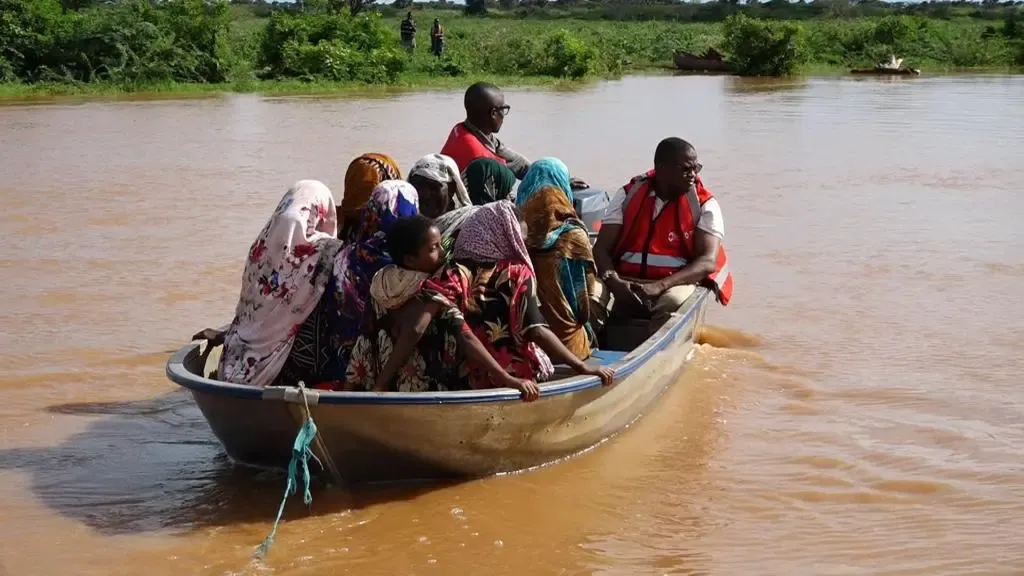
As rescue teams continue their work, they have uncovered something deeply unsettling—a network of underground tunnels beneath the devastated areas. Experts believe these tunnels may hold the key to understanding what really happened that night. While some speculate that natural erosion played a role in the disaster, others suspect that human activity may have been involved.
For years, rumors have circulated about illegal mining operations taking place in secret within Homa Bay County. Some believe that these hidden tunnels were dug by rogue miners searching for valuable minerals, weakening the foundation of the land in the process. If that is true, then this catastrophe was not an act of nature, but a man-made disaster waiting to happen.
But there is another theory—one that stretches back generations. Local elders speak of ancient escape routes built during tribal wars, tunnels used by warriors to evade enemy attacks. If these tunnels had remained untouched for centuries, could recent developments in the area have triggered their collapse? The discovery raises more questions than answers, and until a full investigation is carried out, the true cause of the disaster remains shrouded in mystery.
The Road Ahead
For now, the people of Katonde remain trapped in uncertainty, their future hanging by a thread. With no homes to return to and little hope of immediate assistance, they are left to wonder what comes next. Will the government step in before more lives are lost? Or will they be left to fade into obscurity, their suffering buried beneath layers of bureaucracy and political indifference?
As the days stretch into weeks, one thing remains painfully clear—without urgent action, Katonde will become just another forgotten tragedy, another statistic in a long list of disasters that could have been prevented. And for the survivors who now live in limbo, the question that haunts them most is not just how they will rebuild, but whether they will be given the chance to do so at all.
0 comments