
Your Read is on the Way
Every Story Matters
Every Story Matters
The Hydropower Boom in Africa: A Green Energy Revolution Africa is tapping into its immense hydropower potential, ushering in an era of renewable energy. With monumental projects like Ethiopia’s Grand Ethiopian Renaissance Dam (GERD) and the Inga Dams in the Democratic Republic of Congo, the continent is gearing up to address its energy demands sustainably while driving economic growth.
Northern Kenya is a region rich in resources, cultural diversity, and strategic trade potential, yet it remains underutilized in the national development agenda.

Can AI Help cure HIV AIDS in 2025
Why Ruiru is Almost Dominating Thika in 2025
Mathare Exposed! Discover Mathare-Nairobi through an immersive ground and aerial Tour- HD

Bullet Bras Evolution || Where did Bullet Bras go to?
Madaraka Day, observed annually on June 1st, commemorates a landmark in Kenya's historical journey—the day in 1963 when the country gained internal self-rule from British colonial authorities. It marks a decisive moment when Kenyans first assumed full control of their government, laying the groundwork for eventual full independence later that year on December 12th.
Over the decades, this day has grown to symbolize national resilience, pride, and unity. It is not just a ceremonial public holiday but a critical moment of reflection for all citizens, institutions, and leaders to assess the nation's path, celebrate progress, and reignite the vision for the future. The 2025 commemoration adds another layer of historical depth, with the festivities being held in Homa Bay County for the first time since independence.
The choice of Homa Bay County as the host for Madaraka Day 2025 is both strategic and symbolic. Strategically located on the shores of Lake Victoria, Homa Bay represents a region of immense potential that has historically remained underutilized in national development discourse. The hosting of a national celebration here reflects Kenya’s ongoing efforts to decentralize major state functions and foster inclusivity in the spirit of devolution.
Symbolically, it sends a strong message that no region is peripheral in the journey of building the nation. The centerpiece of this year’s celebration will be Raila Odinga Stadium, which has undergone extensive upgrades, including the installation of new seats, improved drainage, security enhancements, and media broadcasting zones to handle the high-profile event.
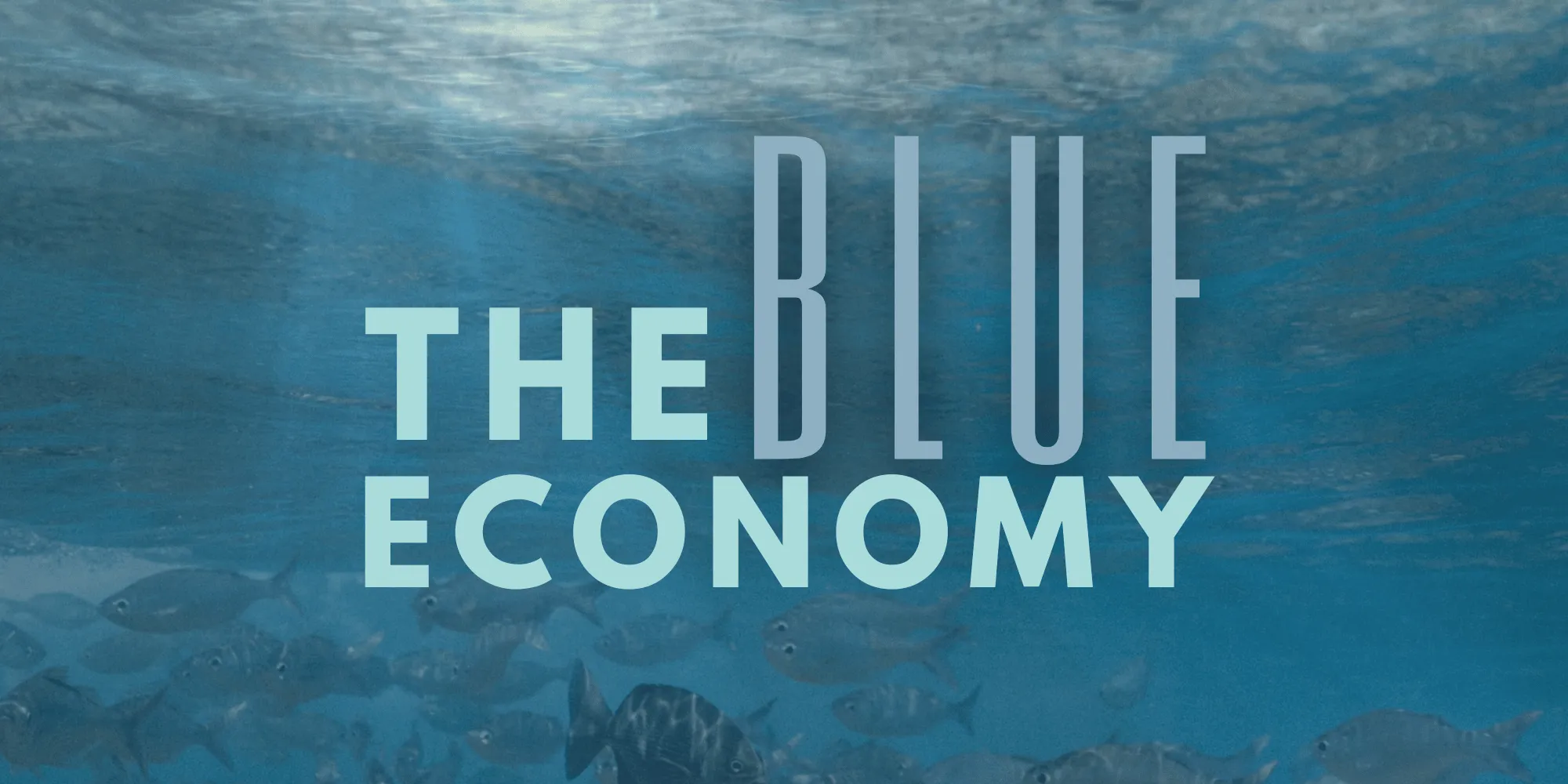
This year’s theme, “Harnessing Kenya’s Blue Economy for National Prosperity,” is particularly timely and relevant. The blue economy encompasses all economic activities dependent on water—marine and inland—including fishing, aquaculture, water transport, and ocean energy. By choosing this theme, the government aims to draw attention to the economic potential embedded in Kenya’s lakes, oceans, and rivers, many of which remain underexploited.
Homa Bay, located at the heart of Lake Victoria, offers a perfect backdrop for this narrative. Focus will be placed on sustainable fishing practices, investment in fisheries infrastructure, eco-tourism, and the creation of blue-collar jobs for local youth. This is a forward-thinking approach to economic development that aligns with Kenya’s Vision 2030 and the Africa Blue Economy Strategy.
In the lead-up to the main celebration, the government has lined up a series of pre-Madaraka Day events and conferences designed to stimulate national discourse and engagement. Among them is the Blue Economy Investment Conference, which will convene domestic and international investors, researchers, policymakers, and regional leaders to deliberate on investment opportunities, policy frameworks, and technological innovations within the maritime sector.
Workshops will focus on topics such as the digitization of fisheries licensing, reduction of post-harvest losses in fish processing, and protection of aquatic biodiversity. Additionally, youth exhibitions showcasing maritime innovations and traditional boat-making will highlight community-level contributions to this vision.
The official ceremony on June 1st will begin with an elaborate military parade showcasing Kenya’s armed forces, followed by cultural performances from communities across the nation. Traditional dancers, school choirs, and regional arts groups will contribute to a colorful celebration of unity in diversity. The highlight of the day will be the Presidential Address, in which the Head of State is expected to reflect on the country’s history, pay tribute to freedom fighters, and outline the government's development agenda.
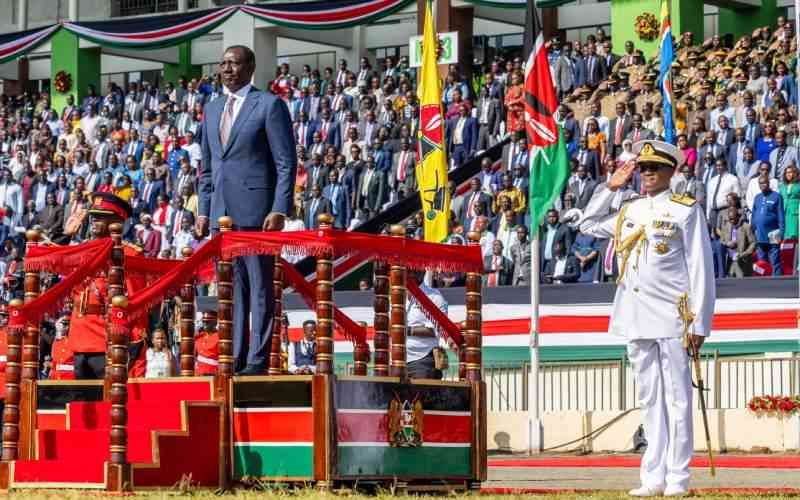
Special emphasis will likely be placed on creating blue economy employment opportunities for the youth, ensuring food security through inland aquaculture, and increasing Kenya’s regional maritime trade competitiveness. The speech will also likely address pressing national concerns such as cost of living, climate resilience, and governance reforms.
For Homa Bay County, hosting Madaraka Day is more than an honor—it’s a transformative opportunity. The event has drawn unprecedented national attention and infrastructural investment into the region. Roads are being repaired, hospitality industries have seen a surge in demand, and small businesses are benefiting from increased activity.
The county's elevation to national prominence may also translate into more sustained government presence and funding post-event. Politically, it marks a rare national spotlight moment for a region that has historically supported opposition movements, thereby signaling potential unity and reconciliation across political divides. It’s a chance to reimagine Homa Bay’s economic role within the broader Kenyan economy.
As Kenya marks 62 years of internal self-rule, the 2025 Madaraka Day presents an opportunity to project a broader national vision—one that harmonizes innovation with tradition and inclusivity with progress. By focusing on the blue economy, the country aligns itself with global calls for sustainable development while tapping into an often-overlooked sector.
It is also a reminder that national holidays are not just ceremonial pauses but platforms for setting new agendas, building consensus, and reawakening the Kenyan dream. The celebration in Homa Bay is not just a change of venue—it is a redefinition of the national conversation.





0 comments