
Your Read is on the Way
Every Story Matters
Every Story Matters
The Hydropower Boom in Africa: A Green Energy Revolution Africa is tapping into its immense hydropower potential, ushering in an era of renewable energy. With monumental projects like Ethiopia’s Grand Ethiopian Renaissance Dam (GERD) and the Inga Dams in the Democratic Republic of Congo, the continent is gearing up to address its energy demands sustainably while driving economic growth.
Northern Kenya is a region rich in resources, cultural diversity, and strategic trade potential, yet it remains underutilized in the national development agenda.

Can AI Help cure HIV AIDS in 2025

Why Ruiru is Almost Dominating Thika in 2025

Mathare Exposed! Discover Mathare-Nairobi through an immersive ground and aerial Tour- HD

Bullet Bras Evolution || Where did Bullet Bras go to?
Tuk tuks, the iconic three-wheeled rickshaws that zip around noisily like mechanical bees, have carved out a niche in Kenya's evolving urban transport scene. While not as flashy as matatus or as rugged as boda bodas (motorcycle taxis), these nimble little machines have found their way into the hearts and daily lives of people in specific Kenyan towns.
Nowhere is the love for tuk tuks more evident than in Mombasa, Kenya's coastal city where the streets pulse with the rhythm of sea air, Swahili culture, and perpetual traffic. Here, tuk tuks are not just convenient—they're essential. The city's narrow alleys, congested roads, and humid climate make closed vehicles impractical and motorcycles unsafe for many.
Rickshaws offer the perfect compromise:
Open sides to combat the coastal heat
Small frames to snake through traffic
Cheap fares compared to taxis or app-based rides
For locals, tuk tuks are reliable daily rides. For tourists, they're a scenic, cultural immersion on three wheels.
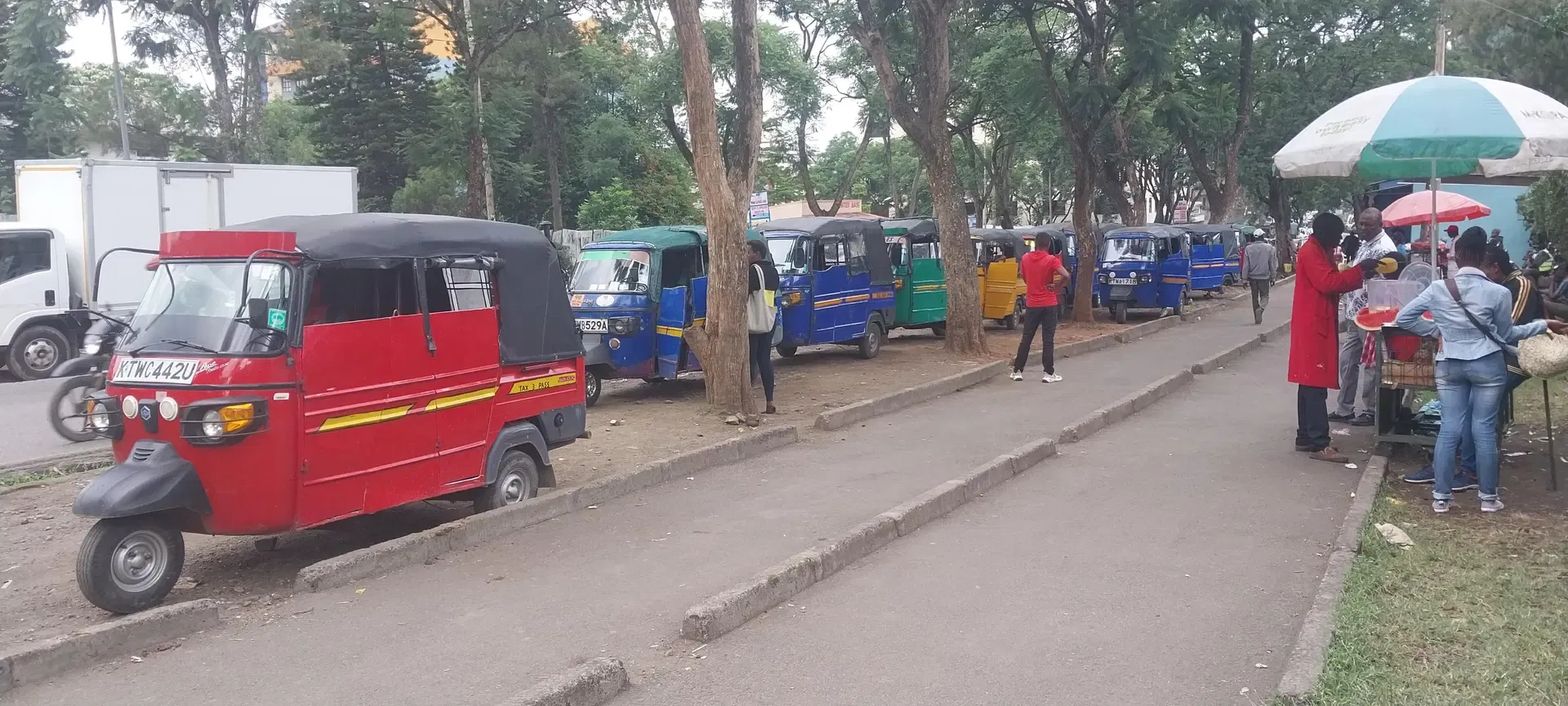
In Nakuru, one of Kenya’s fastest-growing cities, tuk tuks have emerged as the backbone of short-distance transport. As more people move into the city from rural areas, demand for affordable and quick transport has surged. Taxis are expensive, and boda bodas, while fast, are considered risky by many, especially families and women.
Tuk tuks fill this middle ground, providing a safer, budget-friendly alternative for navigating town errands, school runs, and quick drops to the market.
Notably, Nakuru's development has prompted informal tuk tuk routes to pop up, often operating like mini-matatus but with more flexibility and fewer passengers.
Lakeside life in Kisumu is laid-back and community-driven, and tuk tuks fit right into that vibe. While Kisumu has an established matatu network, tuk tuks have gained traction, especially in residential areas, peri-urban zones, and small markets around the city.
Why Kisumu favors rickshaws:
They’re ideal for hilly terrain and irregular road surfaces
Cheaper fuel consumption keeps rides affordable
They create job opportunities for youth and offer better earnings than bicycles or handcarts
Kisumu's local government has even mulled formalizing tuk tuk stages, recognizing their growing role in mobility.
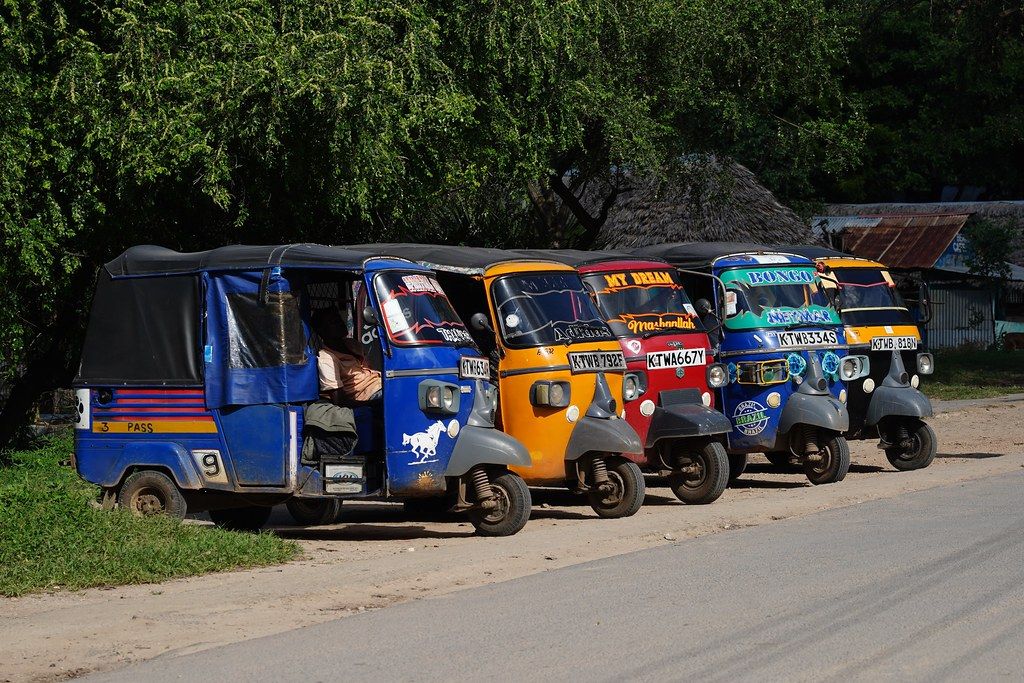
In Malindi, Diani, and other tourist-heavy coastal towns, tuk tuks are more than just transport—they're part of the visitor experience. Tour guides often double as tuk tuk drivers, offering informal city tours with personalized storytelling.
Foreign tourists love the novelty. Locals appreciate the practicality. It's a rare blend where culture meets commerce. The tourism industry’s seasonality also suits tuk tuk operators, who adjust routes and pricing based on high and low seasons.
The roads in these towns are generally narrow and poorly maintained, making smaller, lighter vehicles like tuk tuks ideal.
There are several reasons why rickshaws work so well in these specific parts of Kenya:
Tuk tuks are cheaper to run than cars. They consume less fuel, require less maintenance, and have lower entry costs for drivers. Passengers pay less than for taxis, making them accessible to low-income earners.
Their compact size allows them to weave through gridlocks with ease. In towns where traffic enforcement is inconsistent, tuk tuks outmaneuver bulkier vehicles with minimal stress.
Many young men and women who might otherwise remain unemployed find work as tuk tuk drivers or owners. It's a fast-growing gig economy sector that offers daily income with relatively low investment.
In Kenya’s hot and humid coastal towns, the open-air design of tuk tuks provides welcome ventilation. Meanwhile, in rainy areas like Kisii, modified rickshaws with enclosed tops shield passengers from downpours.
Because they carry fewer passengers than matatus, tuk tuks create more personal experiences. Passengers often know their drivers by name. Regular routes build community trust and repeat clientele.
Of course, rickshaws are not a perfect solution. In some towns, they're associated with poor road discipline, erratic pricing, and congestion. Environmental concerns are also creeping in—most tuk tuks run on fossil fuels and produce emissions. That said, there's growing interest in electric tuk tuks, especially in eco-conscious towns.
As Kenya continues urbanizing, the fate of tuk tuks will likely differ from town to town. In megacities like Nairobi, they’re mostly confined to small estates or delivery services. But in coastal and mid-sized towns, they’re here to stay—and possibly evolve.
Expect to see more organized tuk tuk cooperatives, digital payment systems, and perhaps electric versions in the near future. For now, they remain the quiet heroes of Kenyan town transport—unassuming but indispensable.






0 comments