
Your Read is on the Way
Every Story Matters
Every Story Matters
The Hydropower Boom in Africa: A Green Energy Revolution Africa is tapping into its immense hydropower potential, ushering in an era of renewable energy. With monumental projects like Ethiopia’s Grand Ethiopian Renaissance Dam (GERD) and the Inga Dams in the Democratic Republic of Congo, the continent is gearing up to address its energy demands sustainably while driving economic growth.
Northern Kenya is a region rich in resources, cultural diversity, and strategic trade potential, yet it remains underutilized in the national development agenda.

Can AI Help cure HIV AIDS in 2025

Why Ruiru is Almost Dominating Thika in 2025

Mathare Exposed! Discover Mathare-Nairobi through an immersive ground and aerial Tour- HD

Bullet Bras Evolution || Where did Bullet Bras go to?
President William Ruto has granted clemency to 57 individuals, including 56 Kenyans and one foreign national, marking a significant shift in Kenya's criminal justice system. The decision, made under the constitutional authority granted by Article 133, offers a mix of mercy and rehabilitation that could reshape how the country views crime and punishment. This move represents a departure from traditional punitive measures, leaning towards the idea of restorative justice and giving offenders a chance to reintegrate into society.
Among the beneficiaries of this act of mercy, 31 individuals serving life sentences have been granted conditional release. This gesture indicates a strategic pivot from life imprisonment toward a model that encourages rehabilitation over incarceration. These individuals will be monitored after their release, emphasizing reintegration and accountability. Such decisions highlight a desire to move away from the conventional mindset that sees punishment as the only route to justice.
In a rare inclusion, a foreign national from an East African Community (EAC) member state also received conditional release. This individual's repatriation demonstrates Kenya’s commitment to regional cooperation and fair treatment within the broader African context. By extending clemency beyond national borders, the country sets a precedent for collaborative justice efforts in East Africa.
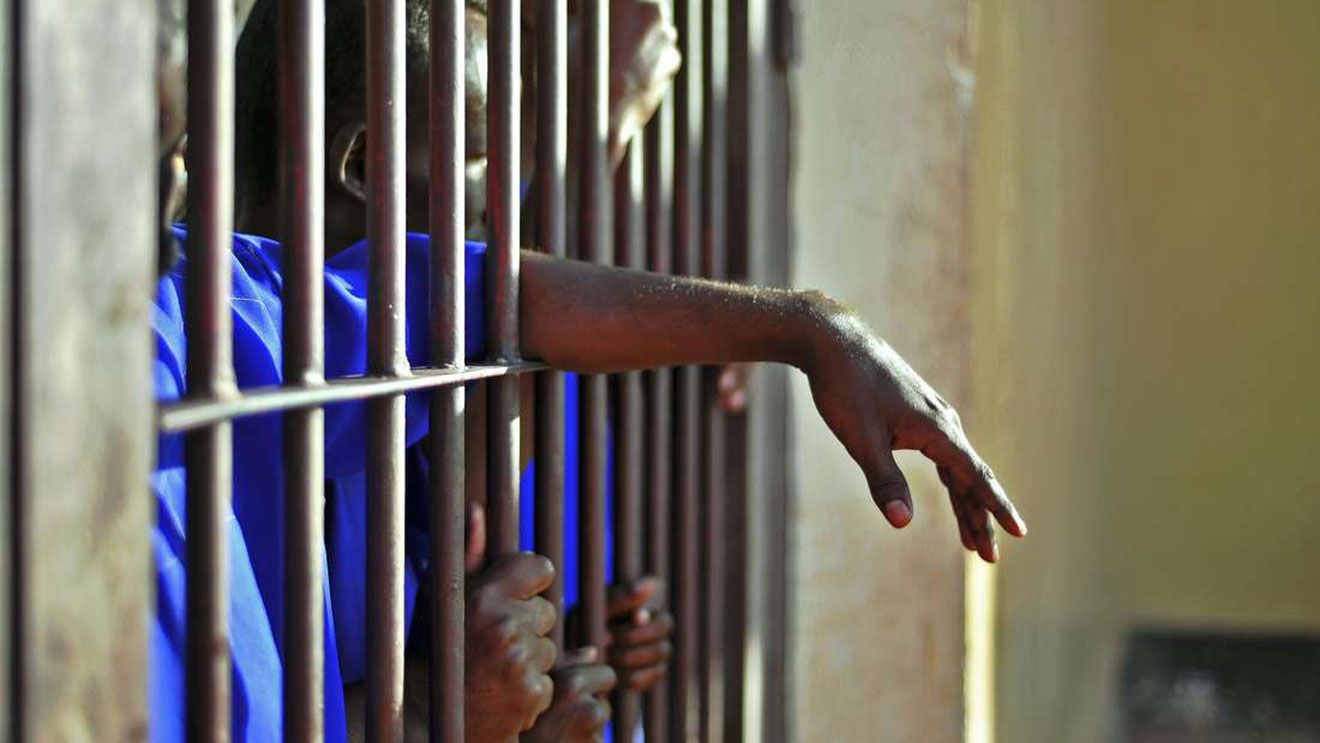
In addition to those granted conditional release, 25 individuals had their sentences commuted, significantly shortening the time they would have otherwise served. This decision aims to alleviate the overwhelming issue of prison overcrowding, which has been a persistent challenge for Kenya's correctional facilities. With less pressure on the prison system, resources can be redirected toward more effective rehabilitation programs for remaining inmates.
A crucial part of this reform is the sweeping general amnesty applied to minor offenders. Those convicted of petty crimes and serving sentences of six months or less—along with individuals who have six months or fewer remaining on their sentences—will be released as part of this initiative. This measure reduces the strain on overcrowded prisons while offering a fresh start to those who have committed lesser offenses. By focusing on minor offenders, President Ruto’s clemency aims to balance the scale of justice by emphasizing rehabilitation over harsh punishment.
The president’s decision has sparked a wide range of reactions across the country. Supporters of the clemency argue that the focus on rehabilitation, rather than lengthy imprisonment, is an important step toward a more humane and just system. They see it as an opportunity to offer people who have paid their dues a chance to rebuild their lives. On the other hand, critics raise concerns that this shift could undermine the deterrent effect of the justice system. There is a fear that reducing sentences and granting clemency might encourage further crime if not accompanied by a strong monitoring framework.
Despite the criticism, President Ruto's clemency decision is a bold step toward transforming the criminal justice landscape in Kenya. By focusing on restorative practices and offering second chances, Kenya is starting to move away from purely punitive models of justice. This progressive approach may serve as a blueprint for other countries in the region, showing that a balance of mercy and accountability can lead to long-term societal benefits.





0 comments