
Your Read is on the Way
Every Story Matters
Every Story Matters
The Hydropower Boom in Africa: A Green Energy Revolution Africa is tapping into its immense hydropower potential, ushering in an era of renewable energy. With monumental projects like Ethiopia’s Grand Ethiopian Renaissance Dam (GERD) and the Inga Dams in the Democratic Republic of Congo, the continent is gearing up to address its energy demands sustainably while driving economic growth.
Northern Kenya is a region rich in resources, cultural diversity, and strategic trade potential, yet it remains underutilized in the national development agenda.

Can AI Help cure HIV AIDS in 2025

Why Ruiru is Almost Dominating Thika in 2025

Mathare Exposed! Discover Mathare-Nairobi through an immersive ground and aerial Tour- HD

Bullet Bras Evolution || Where did Bullet Bras go to?
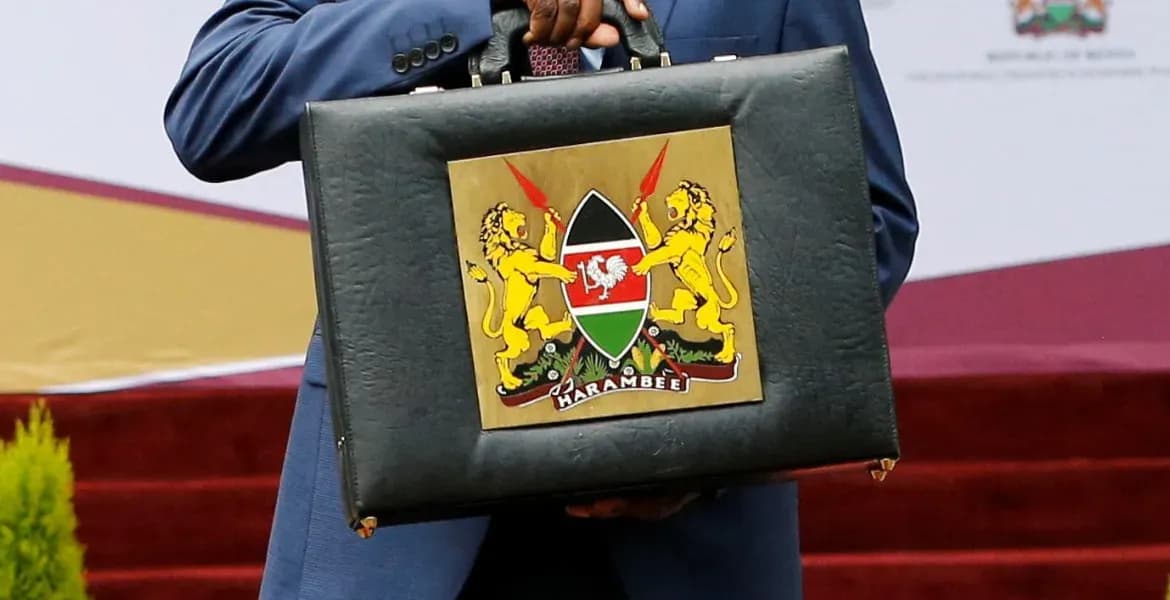
The Finance Bill 2025 represents one of the boldest attempts by the Kenyan government to reshape the country’s taxation landscape. Faced with mounting debt, dwindling foreign aid, and a growing informal sector, the Treasury is pushing for a more inclusive, technologically adaptive, and revenue-driven tax system. This bill expands the government’s reach to new industries and enforces stricter tax laws across traditional and emerging sectors.
One of the standout proposals in the bill is the increased focus on the digital economy. Digital Service Tax (DST) is now more comprehensive, encompassing content creators, influencers, digital advertisers, streaming platforms, ride-hailing services, e-commerce platforms, and social media-based businesses. Whether foreign or local, all digital service providers earning revenue from Kenyan users will be required to register, file returns, and remit taxes.
This shift acknowledges the rapid expansion of online commerce and remote services, particularly among youth-driven platforms like TikTok, YouTube, and X. Previously, many such operators existed outside the formal tax net.
Another frontier the bill addresses is virtual assets. Gains from cryptocurrency, NFTs, and other blockchain-based assets will be subject to capital gains tax. This marks Kenya’s first structured legal step toward regulating the digital finance ecosystem. While it brings clarity, it also presents a challenge for casual traders and digital wallet holders who may lack formal tracking of their activities.
Cryptocurrency exchanges operating in or serving Kenyan users will be compelled to provide transaction data and report earnings.
VAT thresholds are being lowered, meaning more businesses—especially small and medium enterprises (SMEs)—will fall under the tax regime. Additionally, VAT will now apply to goods and services previously exempt, such as certain agricultural inputs and health-related services.
On the excise front, the government plans increases on:
1.Alcoholic beverages
2.Tobacco products
3.Sugary drinks and foods
4.Imported beauty and cosmetic items
5.Mobile money transfers and data bundles
This is expected to directly affect consumer prices and overall cost of living, particularly for urban populations.
The bill tightens rules around how companies report losses. Firms will now be allowed to carry forward losses for a maximum of five years. This aims to curb manipulation where companies declare perpetual losses to avoid tax.
Additionally, new taxes are being introduced for high-income earners and luxury items, targeting wealthier demographics who have been perceived to undercontribute relative to their economic capacity.
KRA is being empowered with wider access to banking, telecom, and mobile money records. The goal is to automate income visibility and reduce underreporting. Integration with platforms such as M-Pesa and bank APIs will provide real-time data on business and personal income flows.
The Finance Bill also proposes stiffer penalties for late filing, false declarations, and non-registration—both for individuals and corporate entities.
1.For SMEs:
The new VAT threshold means many informal traders and freelancers must now register with KRA, maintain books of accounts, and issue e-TIMS-compliant receipts. This could increase operational costs for smaller businesses already operating on thin margins.
2.For Consumers:
An immediate consequence will be price hikes in internet services, mobile transactions, and everyday consumer goods due to excise and VAT changes.
3.For Corporations:
The limitation on tax loss carryforwards and increased scrutiny will push businesses to be more efficient in their tax planning. Corporate restructuring and digitization of tax systems will become critical.
4.For Digital Creators:
Content creators, influencers, and digital entrepreneurs will need to formalize their businesses. Previously untaxed income from YouTube, TikTok, or affiliate marketing will now be tracked and taxed.
The government aims to:
-Increase domestic revenue to reduce external borrowing
-Broaden the tax base by including digital and informal sectors
-Strengthen compliance through digitized tax infrastructure
-Encourage self-declaration and reduce evasion through AI-based data tracking
-Align with global tax standards especially for tech-based multinationals
The bill has triggered public concern due to anticipated increases in living costs and fears of government overreach into digital privacy. However, policymakers argue it’s a necessary step toward self-sustaining national revenue and transparency.
In the political realm, the bill may be used by opposition parties to highlight burdens on ordinary citizens. The success or backlash of the bill will likely impact public trust ahead of the 2027 elections.
The Finance Bill 2025 signals Kenya’s intent to modernize its tax regime, ensuring fairness, accountability, and broader inclusion. However, its success will depend on execution, civic education, and enforcement without stifling economic growth. The country is entering a delicate balancing act—between broadening the tax base and not overburdening its citizens.





0 comments