
Your Read is on the Way
Every Story Matters
Every Story Matters
The Hydropower Boom in Africa: A Green Energy Revolution Africa is tapping into its immense hydropower potential, ushering in an era of renewable energy. With monumental projects like Ethiopia’s Grand Ethiopian Renaissance Dam (GERD) and the Inga Dams in the Democratic Republic of Congo, the continent is gearing up to address its energy demands sustainably while driving economic growth.
Northern Kenya is a region rich in resources, cultural diversity, and strategic trade potential, yet it remains underutilized in the national development agenda.

Can AI Help cure HIV AIDS in 2025

Why Ruiru is Almost Dominating Thika in 2025

Mathare Exposed! Discover Mathare-Nairobi through an immersive ground and aerial Tour- HD

Bullet Bras Evolution || Where did Bullet Bras go to?
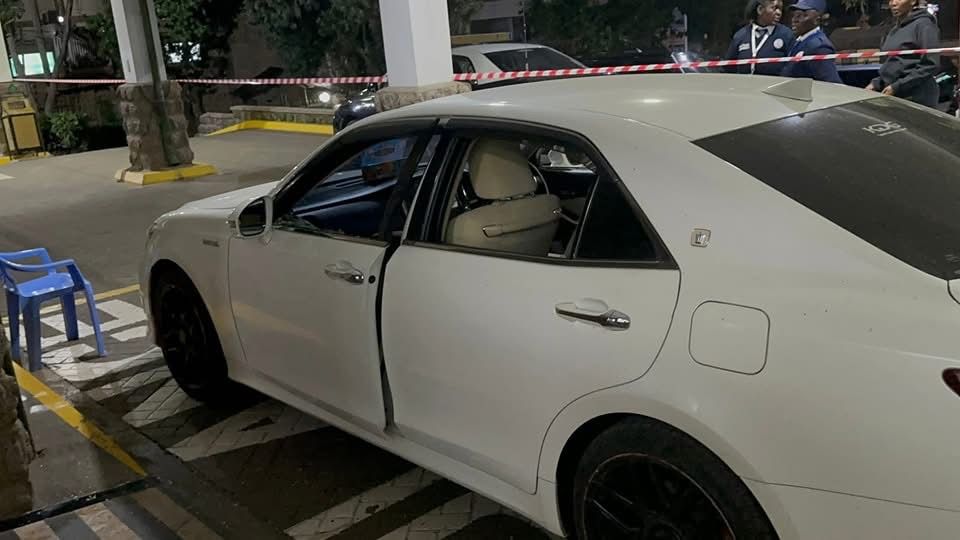
On the evening of April 30, 2025, as dusk settled over Nairobi’s Ngong Road, a planned and ruthless execution unfolded. Charles Ong'ondo Were, the serving Member of Parliament for Kasipul, was fatally shot in what the National Police Service described as a "heinous and premeditated" act of political violence. His vehicle was ambushed near the City Mortuary roundabout by two men on a motorbike, one of whom shattered the car window and opened fire.
Despite swift action by passersby who rushed him to Nairobi Hospital, Were was pronounced dead on arrival. The hit bore every hallmark of a professional operation: calculated, efficient, and meant to send a message.
While the nation recoiled in disbelief, those familiar with Were’s recent experiences found the murder less surprising — though no less tragic. The late MP had been walking a dangerous tightrope for months. Kasipul, his home turf in Homa Bay County, had become a battleground not just for development but for control. Political rivals, armed gangs, and manipulated youth groups increasingly blurred the line between campaign strategy and urban warfare.
In January 2025, Were publicly decried a violent attack on his convoy during a funeral procession. Slashed tyres, stabbed aides, and disrupted gatherings were not isolated incidents. According to Were, these weren’t mere coincidences — they were the fingerprints of hired goons, allegedly imported by political opponents aiming to destabilize his presence in the region.
In the Luo community, funerals are sacred — a place for collective mourning, tradition, and healing. But in Kasipul, these cultural events morphed into proxy political clashes. Public gatherings became high-risk arenas where supporters of competing leaders, especially those aligned with Were and his rival Philip Aroko, clashed regularly.
In East Kamagak Ward, one funeral descended into chaos when goons brandishing crude weapons descended on the crowd. While police attempted to intervene, the violence underscored a terrifying truth: no space was off-limits in this political war.
The people of Kasipul watched in horror as what should be peaceful commemorations turned into combat zones. "We can't even bury our loved ones in peace anymore," lamented one resident.
For months, Charles Were had been vocal about his fears. He warned his peers, party officials, and security agencies that something sinister was brewing. He called out his rivals by name, accusing them of orchestrating chaos and creating a climate of fear through hired violence.
Despite public statements and reported threats, there appeared to be no decisive action from the authorities. No significant arrests were made, and no preventive measures were publicly declared. The silence was deafening — and possibly fatal.
Local elders and religious leaders had stepped in repeatedly, pleading for dialogue and peace, but their efforts were steamrolled by entrenched political bitterness.
Were's killing has triggered national outrage. Politicians from across the aisle condemned the assassination, while human rights groups demanded swift justice. In Kasipul, grief has given way to protests, vigils, and a renewed sense of fear.
The government has pledged a thorough investigation, but trust in law enforcement remains fragile. The specter of impunity looms large in a country where high-profile political killings often end in unresolved files and recycled blame games.
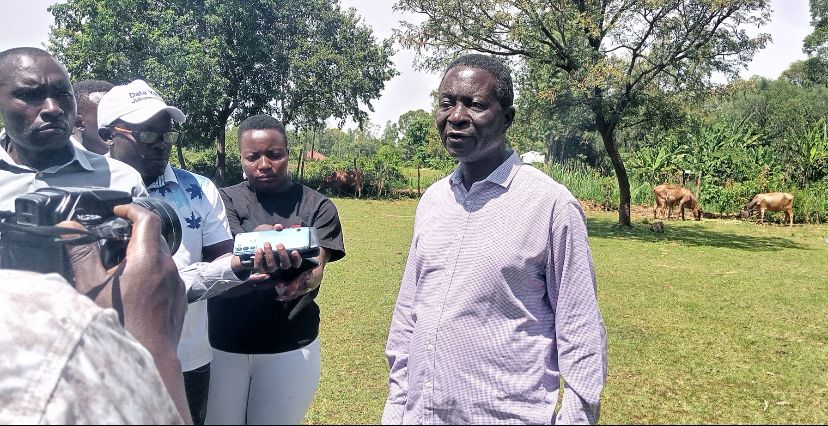
As Kasipul prepares to lay its MP to rest, the broader question remains: How many more will die before Kenya confronts its violent political culture?
Charles Ong'ondo Were was more than a politician. A trained economist and community organizer, he was respected for championing education, health, and rural development. He invested in bursary programs and fought for the completion of stalled road projects in his constituency. While political competition is natural, the manner of his death strips away any illusion that the stakes in Kenyan politics are merely ideological.
He is survived by his wife and children — and a constituency grappling with loss, uncertainty, and a craving for justice.
The murder of MP Charles Were is not just a tragic end to one man’s journey — it is a dark mirror held up to Kenya's soul. It forces a reckoning with how politics is practiced, how ambition is weaponized, and how power is often enforced not through persuasion, but violence.
If this moment doesn’t inspire reforms, accountability, and protection for elected officials — then Kenya risks normalizing political murder as just another campaign tactic





0 comments