
Your Read is on the Way
Every Story Matters
Every Story Matters
The Hydropower Boom in Africa: A Green Energy Revolution Africa is tapping into its immense hydropower potential, ushering in an era of renewable energy. With monumental projects like Ethiopia’s Grand Ethiopian Renaissance Dam (GERD) and the Inga Dams in the Democratic Republic of Congo, the continent is gearing up to address its energy demands sustainably while driving economic growth.
Northern Kenya is a region rich in resources, cultural diversity, and strategic trade potential, yet it remains underutilized in the national development agenda.

Can AI Help cure HIV AIDS in 2025

Why Ruiru is Almost Dominating Thika in 2025

Mathare Exposed! Discover Mathare-Nairobi through an immersive ground and aerial Tour- HD

Bullet Bras Evolution || Where did Bullet Bras go to?
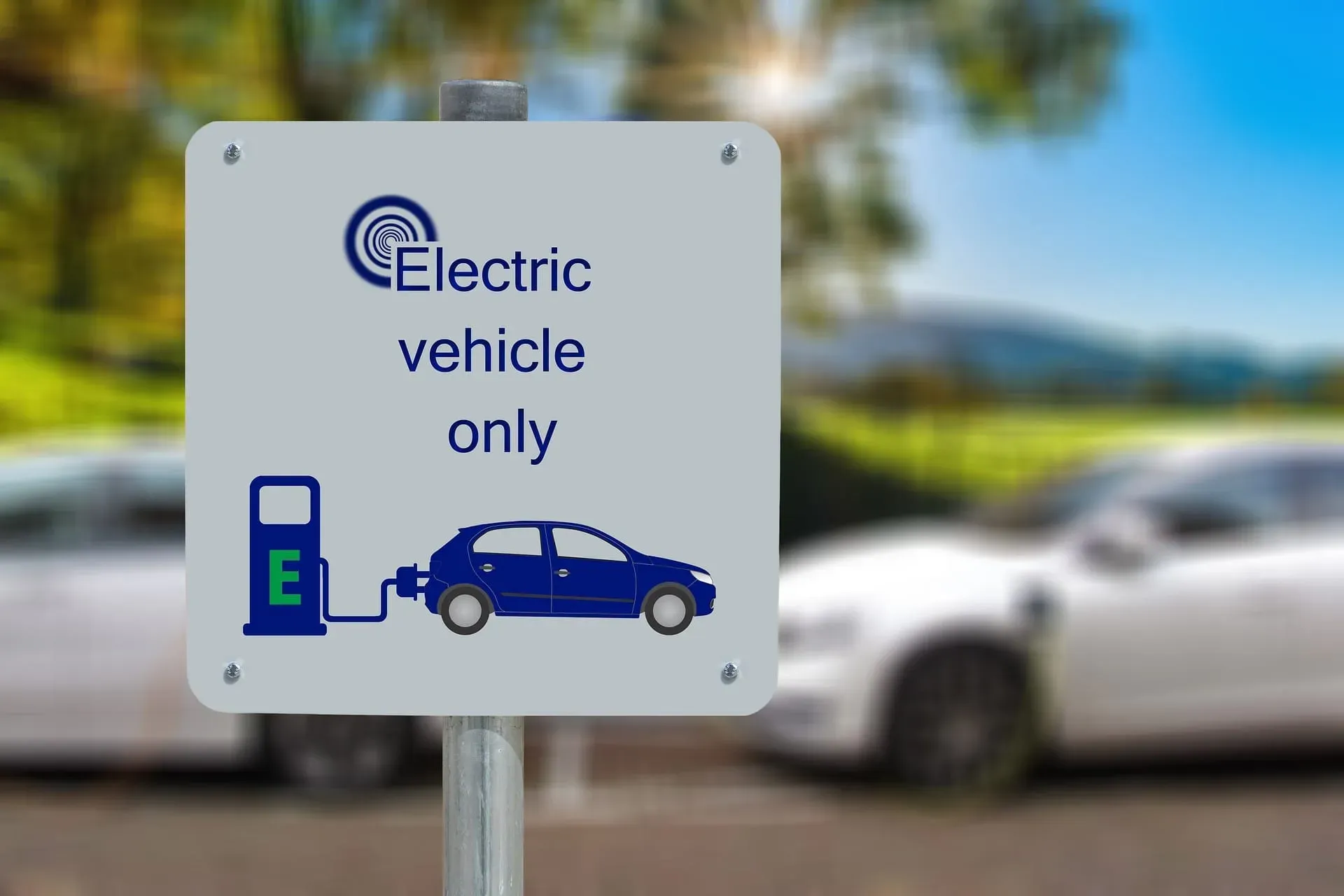
Kenya is no longer content to be a passive player in the global electric vehicle (EV) shift—it’s gunning for the driver’s seat. As the world pivots to cleaner transport, Kenya Power is laying the foundation for a future where the country doesn’t just use electric vehicles, it leads Africa in producing the components that make them run. In a decisive, long-term move, the utility giant has unveiled plans to roll out 45 EV charging stations across seven major counties over the next year. But this is only the tip of a much deeper, more strategic iceberg.
Rather than merely reacting to the slow but steady rise in EV demand, Kenya Power is launching a coordinated national offensive that aims to rewire not just the roads, but the entire ecosystem supporting electric transport. The chargers, while significant on their own, are being used as a springboard for an even more ambitious goal: setting up Kenya’s first domestic battery assembly plants. This is not simply about installing infrastructure—it’s about designing a self-sustaining, export-ready EV industry from scratch.
The planned chargers will span Nairobi, Mombasa, Eldoret, Nakuru, Kisumu, Nyeri, and Taita-Taveta, all areas with growing urban populations and increasing transport needs. Six of these will be stationed at Jomo Kenyatta International Airport, a symbolic and strategic location that underscores the government's intent to normalize EVs as part of mainstream transport. Yet, while headlines will likely focus on the hardware, the real story lies beneath the surface: Kenya Power is actively building the backbone of a green industrial transformation.
Managing Director Dr. Joseph Siror revealed at the recent E-mobility Conference and Expo that the company isn’t doing this alone. By joining forces with the private sector, international partners, and policy-makers, the firm is constructing a data-driven blueprint for nationwide EV integration. This includes real-time analysis of power demand patterns, user adoption behaviors, and urban logistics. At its core, this is about redefining national energy consumption and planning around an electric-first vision.
Where Kenya’s vision truly distinguishes itself is in its aggressive push to domesticate EV battery production. Currently, batteries are the costliest component in an electric vehicle, and importing them puts a heavy financial strain on local startups and consumers alike. Used internal combustion engine (ICE) vehicles, mostly second-hand imports, still dominate due to their lower entry price. But this reality may soon shift if Kenya Power succeeds in building affordable, locally assembled lithium-ion batteries.
By taking on this manufacturing challenge, Kenya could not only cut EV costs at home but position itself as a battery supplier to other African countries. If successful, the country would transition from a consumer market to a continental export base. This opens up economic opportunities far beyond transport—think mining, materials processing, R&D, and job creation in tech and engineering sectors.
Such a move also aligns with Africa’s broader need to create resilient supply chains independent of Western and Asian manufacturing routes. If Kenya can secure raw materials, streamline logistics, and train the workforce, it could become the first Sub-Saharan country to close the EV loop domestically—from charging stations to energy generation to battery production and vehicle deployment.
The momentum is there. According to the Electric Mobility Association of Kenya (EMAK), the country has now registered more than 9,000 EVs—up from just under 3,000 two years ago. This jump may seem modest globally, but it's a powerful signal of shifting attitudes in a country where fuel prices and urban air pollution have been persistent issues.
The Kenyan government’s introduction of an e-mobility electricity tariff, along with import tax incentives, has boosted consumer and investor confidence. However, challenges remain. Upfront costs are still prohibitive for most middle-class Kenyans. The availability of maintenance services and parts for EVs also lags behind the rising demand. And while charging stations are multiplying, they remain clustered in urban centers, leaving rural areas largely out of the equation—for now.
Nevertheless, Kenya Power’s strategy suggests that this isn’t a short-term experiment—it’s a national industrial realignment. What makes it exceptional is not just the ambition but the timing. As the global north wrestles with EV transition logistics, Kenya is building its own model from the ground up, tailored for African cities, climate, and consumption patterns.






0 comments