
Your Read is on the Way
Every Story Matters
Every Story Matters
The Hydropower Boom in Africa: A Green Energy Revolution Africa is tapping into its immense hydropower potential, ushering in an era of renewable energy. With monumental projects like Ethiopia’s Grand Ethiopian Renaissance Dam (GERD) and the Inga Dams in the Democratic Republic of Congo, the continent is gearing up to address its energy demands sustainably while driving economic growth.
Northern Kenya is a region rich in resources, cultural diversity, and strategic trade potential, yet it remains underutilized in the national development agenda.

Can AI Help cure HIV AIDS in 2025

Why Ruiru is Almost Dominating Thika in 2025

Mathare Exposed! Discover Mathare-Nairobi through an immersive ground and aerial Tour- HD

Bullet Bras Evolution || Where did Bullet Bras go to?
Hidden Bureaucracies and Budget Gaps
One of the most recurring reasons Kenyan teachers and doctors experience delayed salaries is due to deeply entrenched bureaucratic inefficiencies. Payment systems within government ministries often involve multiple layers of approvals and outdated manual processes that slow down disbursements. Sometimes, funds meant for salaries are not immediately available due to late budgetary allocations or pending approvals from the National Treasury. In counties, the situation is worse — delayed disbursement from the national government often leaves devolved units cash-strapped, unable to meet payroll deadlines.
Political Priorities Over Public Service
At times, political expediency trumps service delivery. Funds may be redirected to finance emergency political campaigns, high-profile projects, or events that are seen as more urgent by the political class. As a result, sectors like education and healthcare, despite being essential, take a backseat. Teachers and doctors, who are not only the backbone of social welfare but also the face of government service, find themselves constantly sidelined in terms of financial priority.
Corruption and Mismanagement
Misappropriation of public funds remains a major issue. There have been frequent reports of budgets for salaries being misused at county or national level. Ghost workers, inflated administrative costs, and fraudulent procurement practices drain resources that should be going to frontline workers. In such cases, even when funds are released on time, they do not reach the intended recipients promptly due to internal mismanagement or diversion.
Weak Union Influence and Broken Agreements
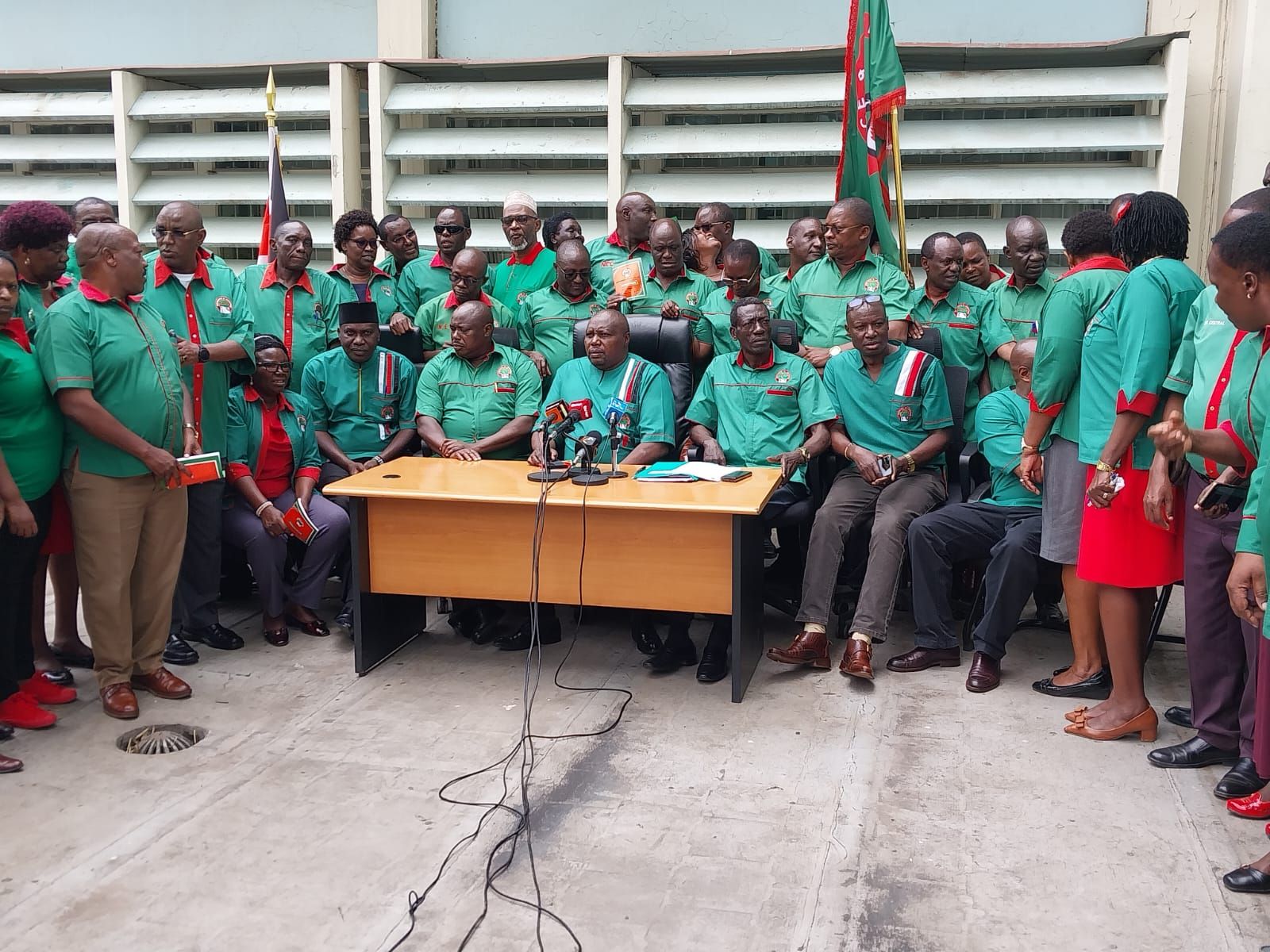
Although Kenyan doctors and teachers are represented by powerful unions like KNUT and KMPDU, their bargaining agreements are often flouted or implemented selectively. When salary reviews or allowances are agreed upon, delays in implementation create payroll confusion. Moreover, the government sometimes delays payments deliberately in the hope that unions will soften their demands or postpone strikes.
Lack of Automation and Systemic Upgrades
Many counties and ministries still rely on outdated systems for payroll processing. This leads to errors, duplication, and verification issues that require manual correction — further delaying payments. A centralized, digitized payment system could potentially reduce such delays, but investment in these reforms is slow, hindered by both funding issues and institutional resistance.
Conclusion
In essence, the delayed payment of Kenyan teachers and doctors is not just a financial oversight — it reflects a broader culture of inefficiency, neglect, and poor governance. Until public sector reforms are implemented with discipline and urgency, these frontline workers will continue to suffer financial instability, undermining morale and weakening critical services across the nation.






0 comments