
Your Read is on the Way
Every Story Matters
Every Story Matters
The Hydropower Boom in Africa: A Green Energy Revolution Africa is tapping into its immense hydropower potential, ushering in an era of renewable energy. With monumental projects like Ethiopia’s Grand Ethiopian Renaissance Dam (GERD) and the Inga Dams in the Democratic Republic of Congo, the continent is gearing up to address its energy demands sustainably while driving economic growth.
Northern Kenya is a region rich in resources, cultural diversity, and strategic trade potential, yet it remains underutilized in the national development agenda.

Can AI Help cure HIV AIDS in 2025

Why Ruiru is Almost Dominating Thika in 2025

Mathare Exposed! Discover Mathare-Nairobi through an immersive ground and aerial Tour- HD

Bullet Bras Evolution || Where did Bullet Bras go to?
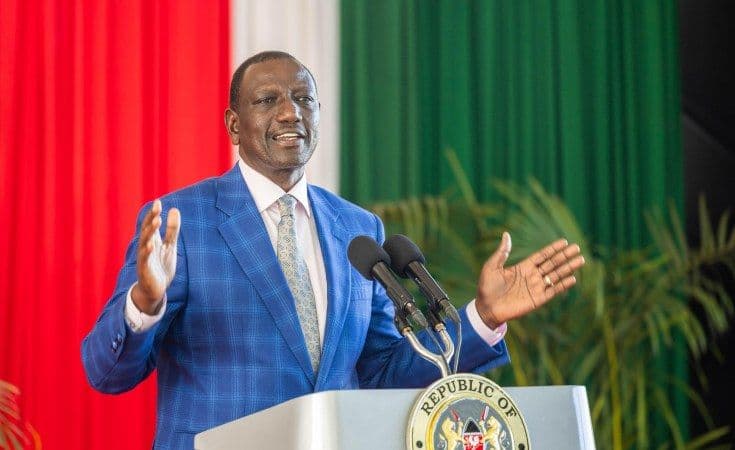
As tensions rise across the country with thousands of Kenyans taking to the streets, President William Ruto has appealed to protesters to maintain peace and refrain from engaging in violence or destruction. Speaking amid growing national unrest—particularly around the anniversary of the June 25, 2024 protests—the Head of State reminded citizens that while peaceful demonstrations are constitutionally protected, any descent into chaos would be counterproductive and dangerous.
In a brief but pointed statement, the President urged the youth to channel their energy constructively and warned against any attempts to hijack the protests for political or criminal agendas. He called for national sobriety, asking all participants to remember that property destruction, looting, or provoking security officers only serves to undermine the legitimacy of their cause.
President Ruto reaffirmed his administration’s commitment to upholding the rights of all Kenyans, including the freedom to assemble and voice dissent. However, he emphasized that those freedoms must be exercised within the bounds of law and order.
His message comes in the wake of widespread protests led largely by Gen Z across major cities in Kenya. Demonstrators have taken to the streets demanding justice for victims of last year's police violence, the rollback of unpopular tax policies, and an end to government excesses. While many of these marches have remained peaceful, sporadic incidents of vandalism, confrontations with police, and road blockades have been reported.
Ruto’s call serves as both a warning and a gesture of goodwill, inviting dialogue without threatening crackdowns—though his words also coincided with a heavy police presence deployed to major protest hotspots.
The President’s remarks are seen as part of a broader balancing act: projecting authority while avoiding the image of authoritarianism. Over the past week, the government has faced intense scrutiny over the use of force by security agencies and the Communications Authority’s decision to temporarily block select media channels from live coverage—an act widely criticized by civil society and opposition leaders.
By urging calm, Ruto aims to deescalate tensions without escalating repression. However, the effectiveness of his message remains uncertain in a charged environment where many young Kenyans feel unheard and disillusioned.
June 25 has become more than a protest date—it’s a symbol of resistance, remembrance, and reckoning. As thousands march to commemorate the lives lost in the 2024 demonstrations, President Ruto’s administration faces a crucial test: whether it will be remembered for facilitating national healing or deepening the divide.
The President concluded his statement by urging Kenyans to protect lives and property and to show the world that Kenya’s democracy can mature through peaceful dissent. “Let us not allow those who wish to incite violence to take advantage of a legitimate national conversation,” he said.




0 comments