
Your Read is on the Way
Every Story Matters
Every Story Matters
The Hydropower Boom in Africa: A Green Energy Revolution Africa is tapping into its immense hydropower potential, ushering in an era of renewable energy. With monumental projects like Ethiopia’s Grand Ethiopian Renaissance Dam (GERD) and the Inga Dams in the Democratic Republic of Congo, the continent is gearing up to address its energy demands sustainably while driving economic growth.
Northern Kenya is a region rich in resources, cultural diversity, and strategic trade potential, yet it remains underutilized in the national development agenda.

Can AI Help cure HIV AIDS in 2025

Why Ruiru is Almost Dominating Thika in 2025

Mathare Exposed! Discover Mathare-Nairobi through an immersive ground and aerial Tour- HD

Bullet Bras Evolution || Where did Bullet Bras go to?
In Kenya, the first of May isn’t just a break from work — it’s a loud, symbolic declaration. Known globally as International Workers' Day or Labour Day, the occasion is a powerful reflection of Kenya's labor history. While today’s celebrations include parades and presidential speeches, the deeper meaning lies in the country's long journey from oppressive labor systems to the pursuit of fair and dignified employment.
During British colonial rule, labor in Kenya was synonymous with exploitation. Africans were subjected to forced labor under brutal conditions on settler farms, infrastructure projects, and in the mines. Workers had no rights — just obligations. The colonial government enacted laws to control labor mobility and keep African workers dependent, submissive, and cheap.
The introduction of the "kipande" system (an identity passbook that controlled the movement of African workers) is one example of how labor was used to enforce racial and economic hierarchies.
In the 1940s and 1950s, Kenya’s labor movement took shape as a vehicle for resistance — not just against poor working conditions, but against colonial domination. Trade unions like the Kenya African Workers Union (later evolving into the Central Organization of Trade Unions — COTU) became critical players in the push for independence.
Labor unrest grew. Strikes were used not only to demand better wages but also to challenge colonial authority. Figures like Tom Mboya — a unionist turned nationalist — helped link labor rights with political liberation. Workers became warriors in both economic and political battles.
After independence in 1963, Kenya inherited a fractured labor system. While the state promised reforms, it often co-opted unions, restricting their power and autonomy. COTU, Kenya’s main labor federation, has walked a tightrope between government collaboration and worker representation for decades.
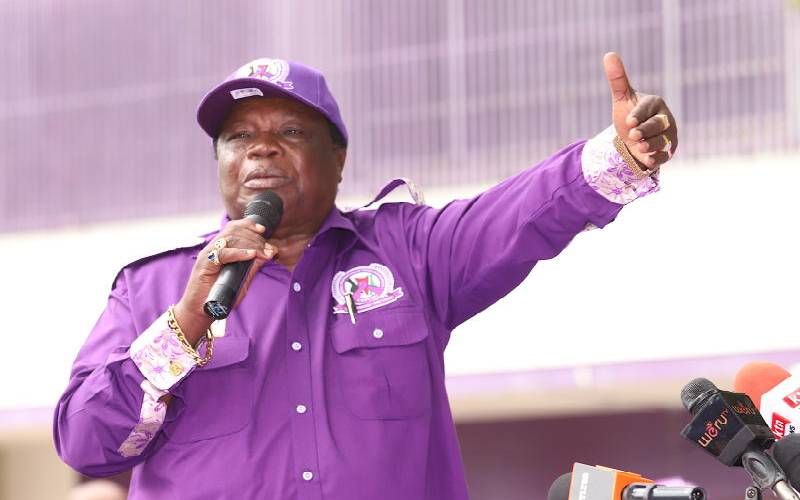
Despite this, Kenyan workers have continually used Labor Day as a platform — not just for celebration, but to press for justice. Wage stagnation, rising cost of living, unemployment, and labor casualization remain chronic issues. Each May 1st, workers gather at Uhuru Park (or county headquarters across the nation) to hear speeches from leaders and raise their grievances in public.
Today, Kenya’s labor force grapples with a mix of challenges:
Informal Employment: Over 80% of jobs in Kenya are in the informal sector, where workers often lack contracts, benefits, or legal protection.
Youth Unemployment: Kenya has one of the highest youth unemployment rates in Africa. A growing, educated youth population meets a job market that can’t absorb it.
Gig Economy & Tech Disruption: Platforms like Uber and digital delivery services have redefined labor — offering flexibility but stripping away job security.
Union Fatigue: Many workers feel disconnected from unions, citing corruption, weak leadership, or lack of results. There's a growing call for reform within the labor movement itself.
Every May 1st is a moment of national reckoning. It’s not just about political theater or patriotic songs — it’s a reminder of the promises made to workers and the gaps yet to be filled. Speeches are delivered, wage increments are hinted at or denied, and the real issues of inequality, job security, and dignity in work come back into public discourse.
Labor Day in Kenya remains a barometer of the country's economic health — and more importantly, a mirror reflecting how much the nation values its workers.





0 comments