
Your Read is on the Way
Every Story Matters
Every Story Matters
The Hydropower Boom in Africa: A Green Energy Revolution Africa is tapping into its immense hydropower potential, ushering in an era of renewable energy. With monumental projects like Ethiopia’s Grand Ethiopian Renaissance Dam (GERD) and the Inga Dams in the Democratic Republic of Congo, the continent is gearing up to address its energy demands sustainably while driving economic growth.
Northern Kenya is a region rich in resources, cultural diversity, and strategic trade potential, yet it remains underutilized in the national development agenda.

Can AI Help cure HIV AIDS in 2025

Why Ruiru is Almost Dominating Thika in 2025

Mathare Exposed! Discover Mathare-Nairobi through an immersive ground and aerial Tour- HD

Bullet Bras Evolution || Where did Bullet Bras go to?
In the heart of Siaya County’s Lumba Village, beneath the red soils and fading afternoon sun, a tragic story unfolded on Monday, March 3. What began as another desperate attempt by six women to extract gold from an unlicensed mine ended in catastrophe, as the unstable shaft crumbled, entombing them beneath the earth they hoped would transform their lives.
The illegal gold mine, a shallow but treacherous 15-foot pit dug on private farmland in Rarieda Sub-County, had long been under the radar of local authorities. Despite repeated warnings to cease operations, the lure of gold – and the promise of survival in an area plagued by chronic unemployment – kept the women returning. But this time, their gamble turned deadly.
Around 5 p.m., the ground gave way with little warning. Witnesses say there was a brief moment of shouting from below, then silence. The makeshift shaft collapsed, sealing the women inside a tomb of dirt and rock. Locals armed with nothing but hoes, spades, and bare hands dug feverishly. National Government Administrative Officers (NGAO) quickly joined the effort, but the clock was already against them. After three relentless hours, the bodies of five women were pulled from the rubble. Their lifeless forms were transported with heavy hearts to Bondo Sub-County Hospital mortuary. Hope now hangs by a thread for the sixth woman, as darkness and instability in the shaft delay continued search efforts.
This tragedy has not only rocked the Lumba community but has echoed a grim reality across Kenya's rural counties. It is far from an isolated incident. Just weeks prior, Kakamega County witnessed a similarly heartbreaking scene when 19 miners were trapped in the depths of an aged tunnel in Imachilifu Village. Four never made it out alive, and several survivors are still nursing life-altering injuries.
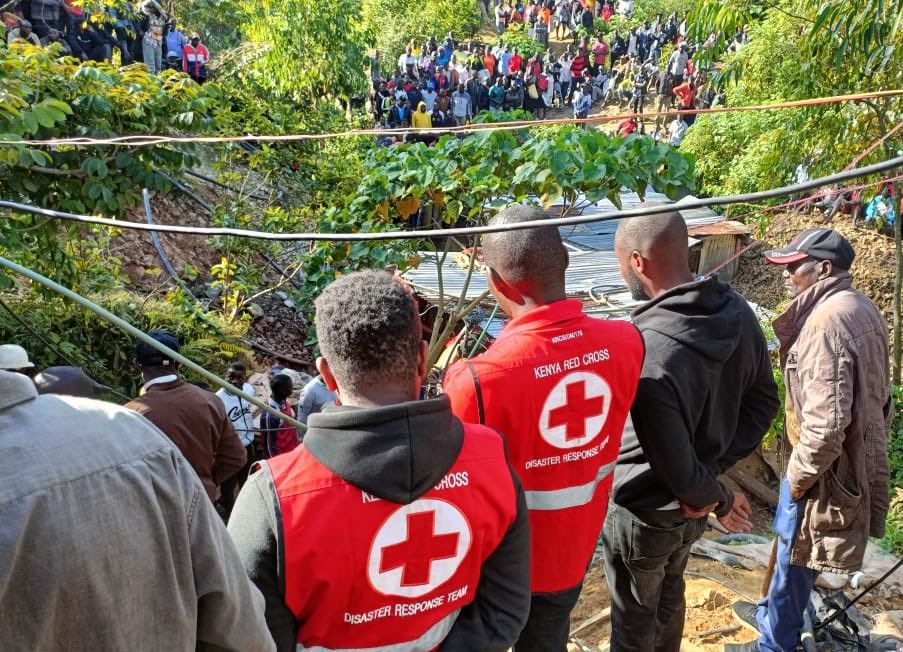
In Siaya, the fact that all victims were women underscores another layer of hardship. With limited access to formal employment, many women turn to artisanal mining as one of the few available means to support their families. Often overlooked in discussions about mining safety, these women endure grueling work, exposure to hazardous conditions, and, as this tragedy reminds us, the constant threat of death.
The economic pressures fueling these risky undertakings are hard to ignore. In communities where jobs are scarce, and government intervention feels more like a rumor than reality, artisanal mining becomes not just a choice but a necessity. A few grams of gold can mean school fees, a meal, or overdue rent. Yet, those same golden grains come soaked in danger.
The continued rise in such collapses demands more than temporary sympathy. There’s a glaring need for sustainable solutions: vocational training programs, government-backed economic alternatives, and stricter enforcement against illegal mining operations. While crackdowns on unauthorized pits happen sporadically, without replacing the lost incomes of those who depend on them, these operations inevitably resume — often with fatal consequences.
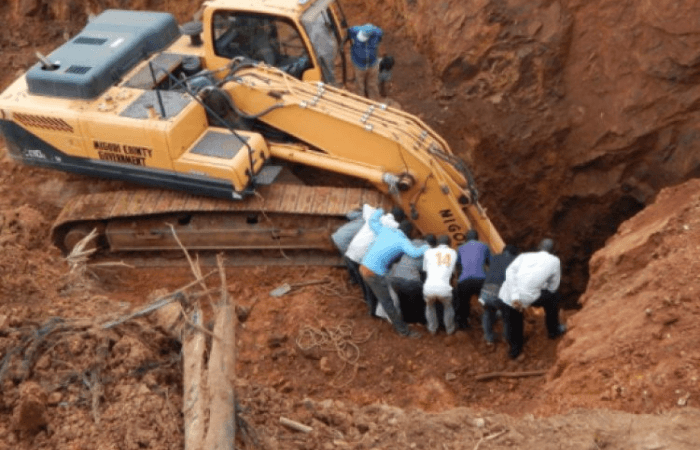
Safety regulations for artisanal miners remain weak, and enforcement, where it exists, is inconsistent. Experts have long called for standardized practices, formal registration of miners, and structural inspections to prevent such calamities. However, meaningful policy changes often get bogged down in bureaucracy, while miners continue to dig — and sometimes die — waiting for reform.
Back in Lumba Village, grief hangs heavy in the air. Families are left grappling with the sudden loss of mothers, daughters, and sisters who ventured underground seeking hope but found only tragedy. Candlelit vigils have begun, but the most pressing questions remain unanswered: How many more must perish before real action is taken? How deep do these communities have to dig before someone finally listens?
As the search for the sixth missing woman lingers on, her fate unknown, the people of Siaya are left with yet another harrowing reminder: in the pursuit of gold, the earth sometimes takes more than it gives.






0 comments